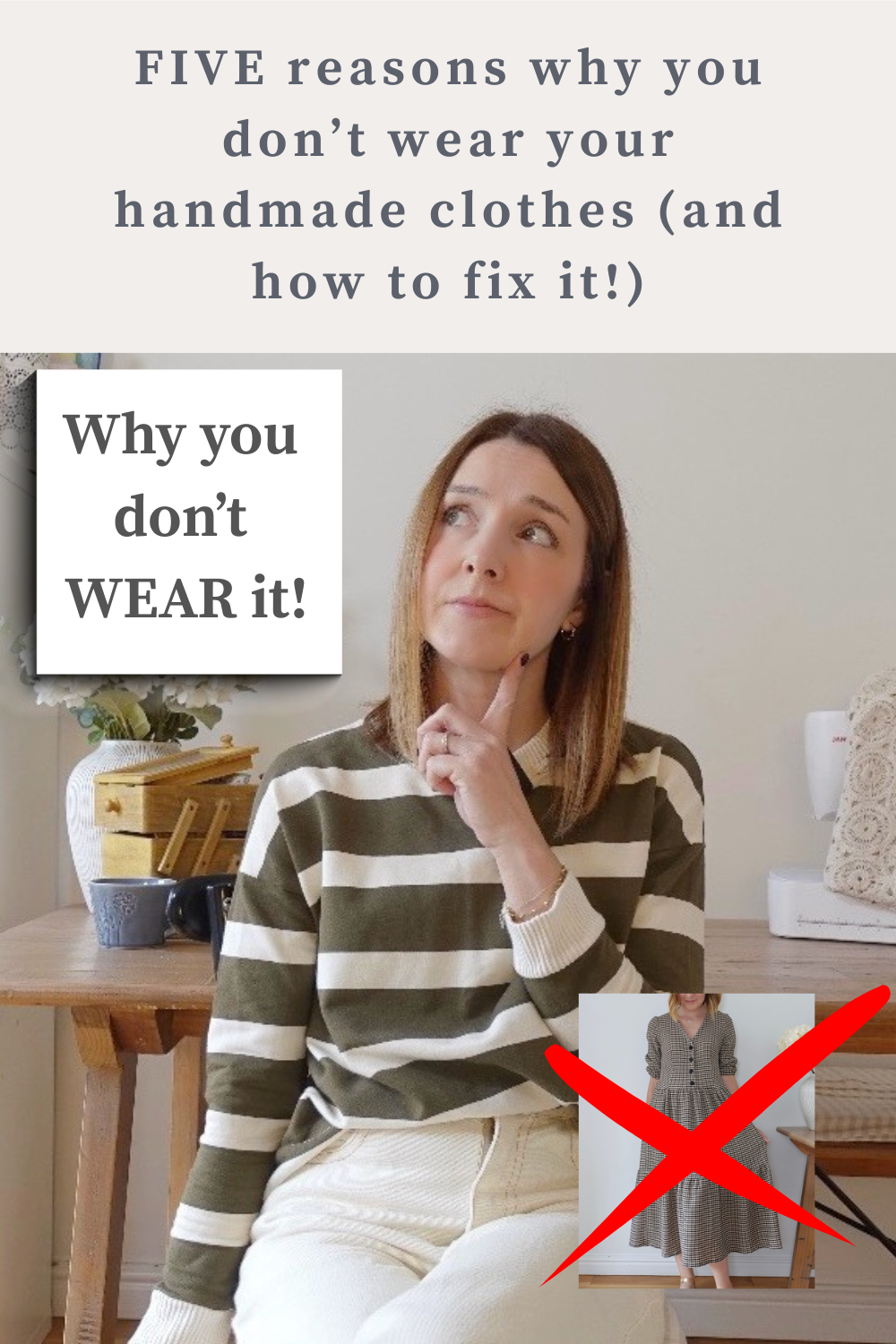
Have you ever finished sewing a beautiful garment — only for it to quietly collect dust in your wardrobe? If so, you’re not alone and I’ve been there too more frequently than I’d like to admit. Many sewists find themselves with clothes they love making but never actually wear. In today’s blog post (and in my latest YouTube video), I’m breaking down the real reasons this happens — and, most importantly, what you can do to fix it.
In my opinion, there are five reasons why your handmade garments aren’t getting worn and these are as follows:
1. You’re sewing for the ‘idea’ and not your lifestyle
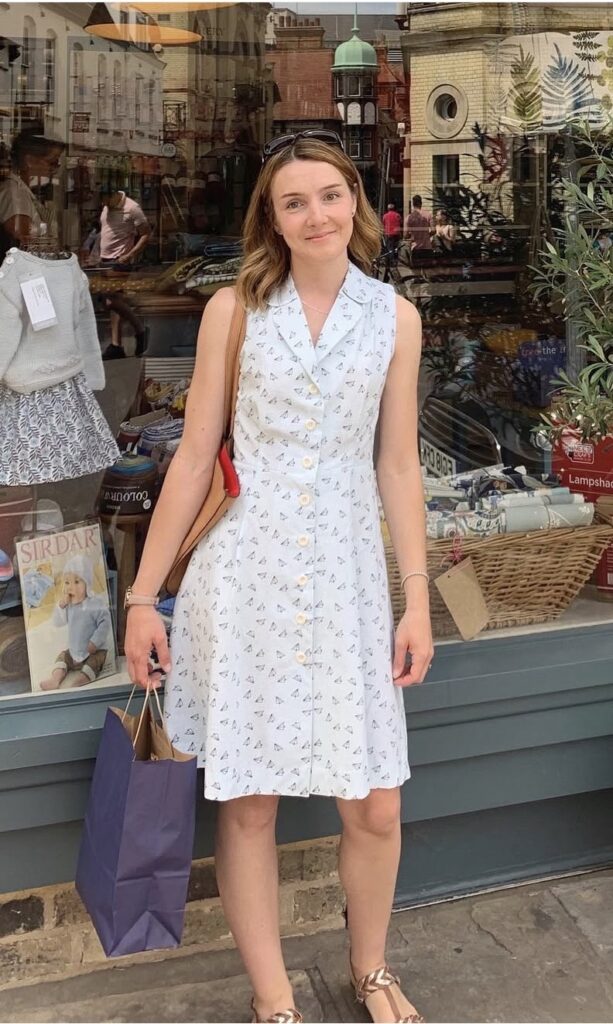
Those vintage style dresses might look beautiful and be fun to sew, but if you’re a busy mum running around after small children and spending most of your time at home or out in the park, those dresses might not be practical for the season of life you’re currently in (I speak highly from experience here as this was me in the early days of my sewing).
2. Ignoring or rushing through fit issues
This is a tricky one isn’t it because, lets face it, getting the right fit is hard and it can be tempting to just brush over the fact that the shoulders feel a little tight in that dress or that top is pulling over the bust. We – and I very much include myself in this – would much rather rush through to the end and get the satisfaction of sewing and finishing a garment. Unfortunately though, it doesn’t take long for that garment to also start to gather dust in the wardrobe when after a couple of wears we really actually we feel completely uncomfortable and would rather change into something ready to wear!
3. The wrong fabric choice
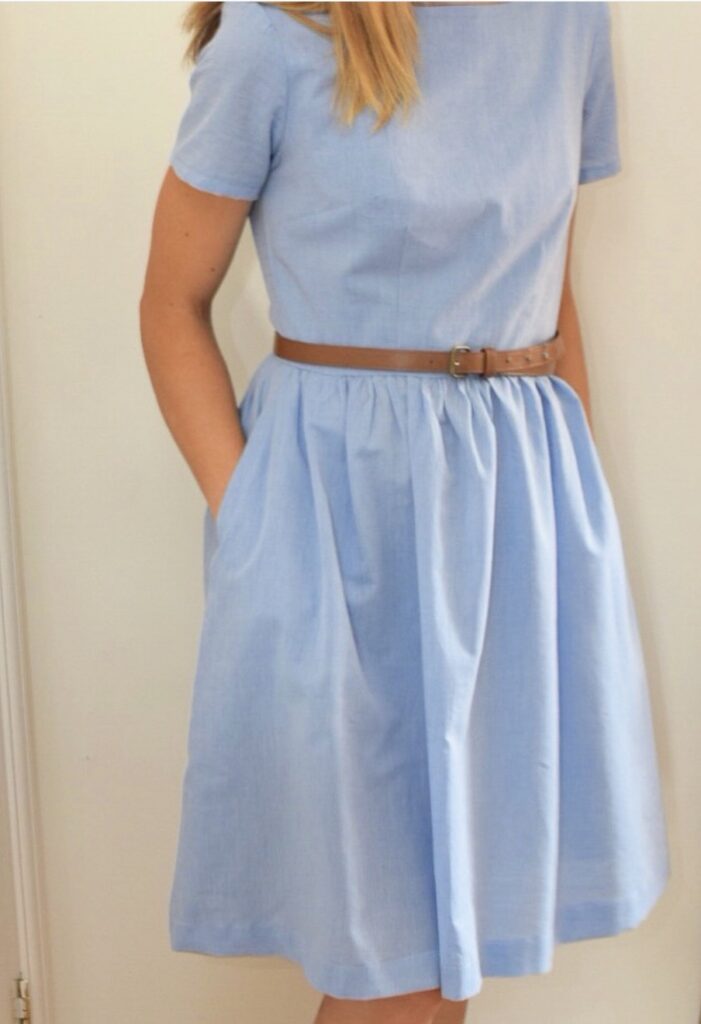
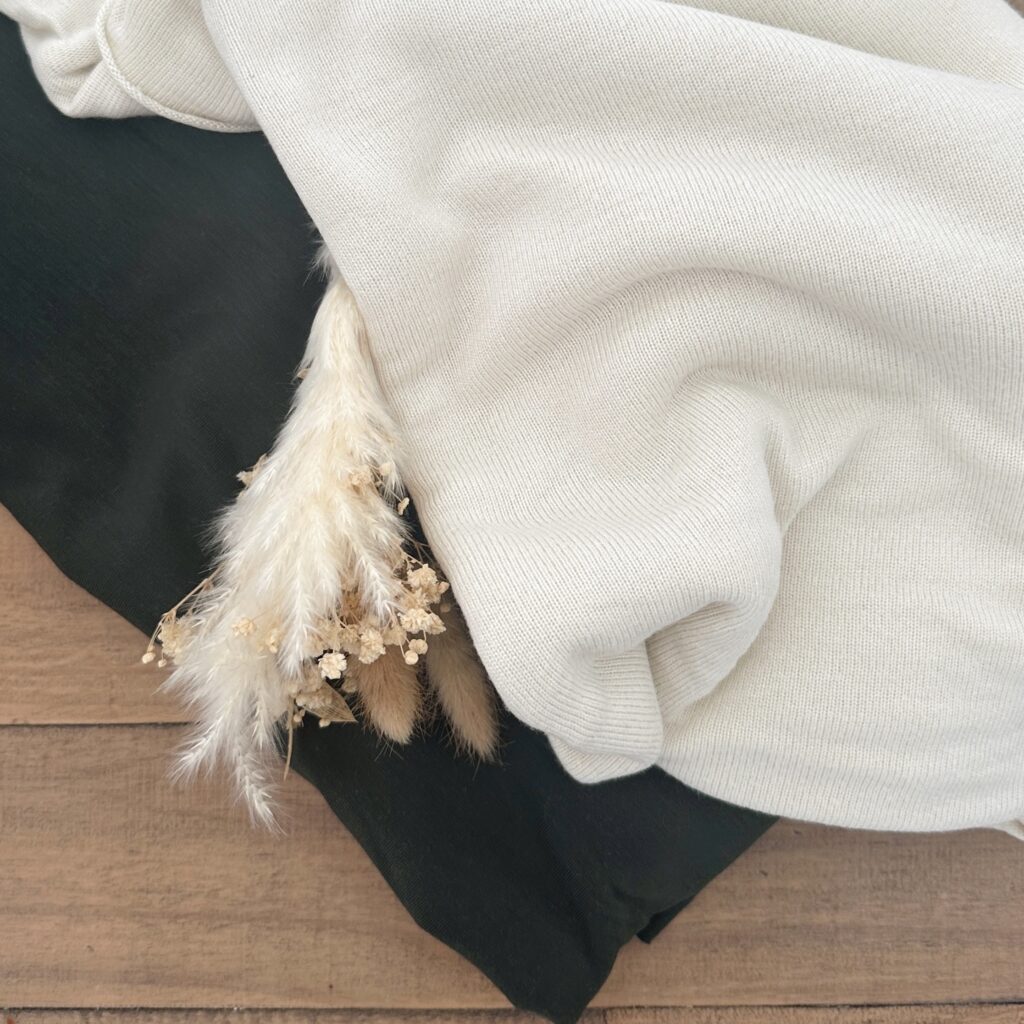
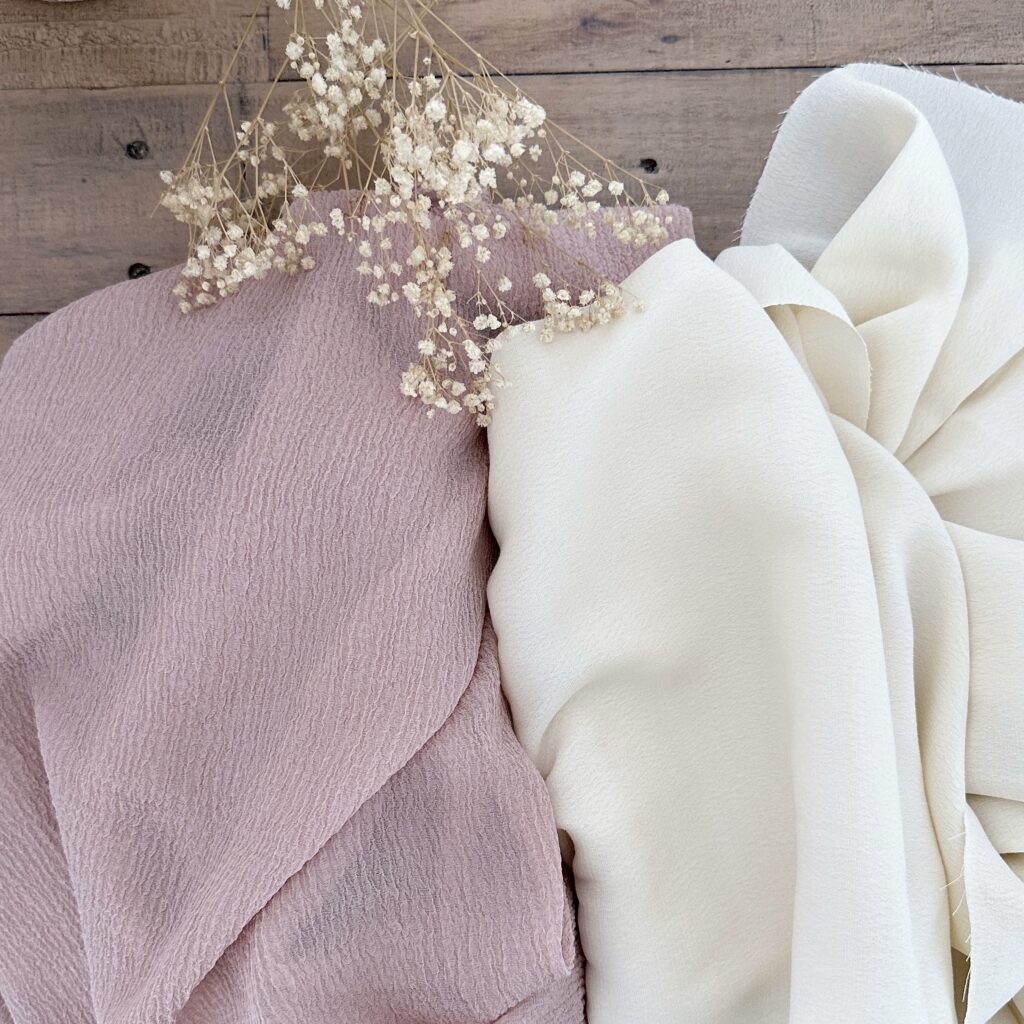
I’ve spoken a lot recently about how I’m trying to change my relationship with buying fabric. Learning about the types of fabric that I love to wear has been a real game changer for me. I have thrown out, passed on or donated far too many handmade garments that I have not wanted to wear because I don’t like the fabric on me. I’ve learned over time that I hate to feel restricted in any way so crisp cotton shirts and dresses, most often aren’t for me. Instead I’ll opt for viscoses, rayons and twills which are softer and have more movement and likewise when it comes to jersey and knits, I’ll spend a little more on good quality fibres, knowing that in the long term the cost per wear will work out better.
4. Sewing too quickly or skipping steps
Please don’t judge me when I tell you that as a beginner, I would actively skips the steps of a pattern because I didn’t understand the purpose of the technique or the longevity that just taking that little bit longer to sew something would give a garment. Some embarrassing examples might be, skipping understitching resulting in a facing that just would not stay to the inside of a garment or not taking the time to wait for a hem to drop overnight and rushing to finish. Please let me know in the comments if you were the same – I don’t want to feel alone here!
5. You’re missing the intention
Intention for me looks like asking myself why do I want to sew this garment? Is it because it will teach me a new skill or technique, is it a garment or garment type that is currently lacking in my wardrobe and by making it I’m going to open up a whole range of other outfits I can put together. Is it because it will keep me warm on my dog walks or comfortable but put together on my work at home days when at the moment I’m just working in my scruffs (also me). And just so that you don’t think I’m trying to rip all the fun out of your sewing, is it just because you love the look of the pattern, or the garment or you want to make use of a particular fabric and that’s ok too (as long as the fabric fits in with point three and you’re actually going to wear it of course!)
So, how do we change this potential cycle that we might find ourselves in of having a handmade wardrobe full to bursting but not actually wearing any of it??
Here are some things that have helped me to intentionally sew a handmade wardrobe that I love to wear:
Sewing with wardrobe gaps in mind…
Regularly take stock of your wardrobe, see what you’re wearing and what you’re not (I do this with my ready to wear and handmade clothing). While you’re sorting, experiment with putting a few outfits together and taking photos of them on your phone so that you can refer back to them when you feel uninspired. If there’s a make or a garment that isn’t being worn, ask yourself why. Is it because you have nothing to wear it with (and that’s where the wardrobe gap sewing comes in). Is it because it feels uncomfortable to wear – a fit problem. Is it because you hate the fabric or the colour or the pattern and completely regret choosing it, I know I’ve had a few of those. If the reason for not wearing is the latter – remove it from your wardrobe and pass on to someone who can benefit from it or reuse the fabric if you can. One of the most uninspiring things in my opinion is having a wardrobe that you’re not only not wearing but that makes you feel guilty every time you open the doors.
Sewing fewer projects but with better outcomes…
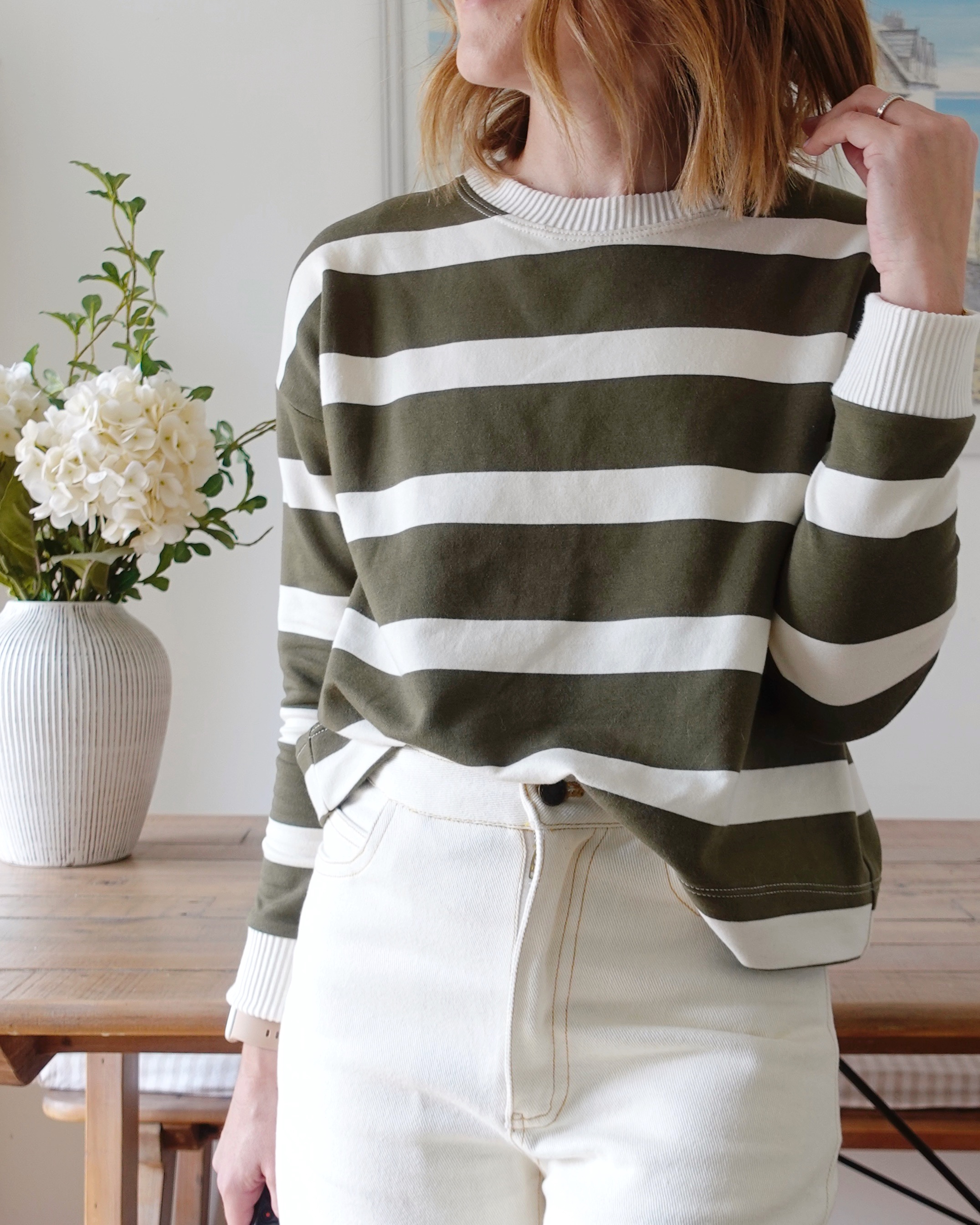
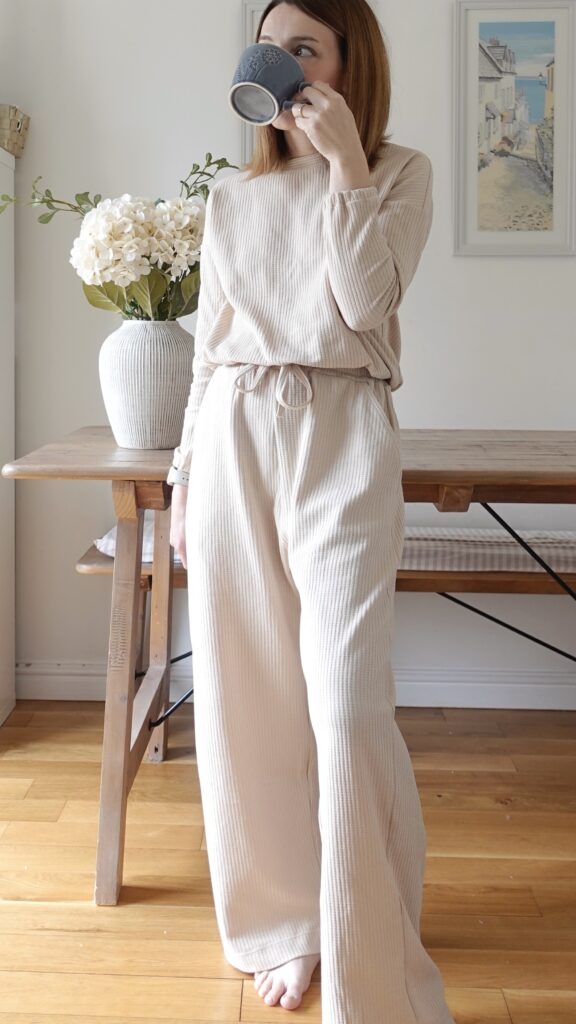
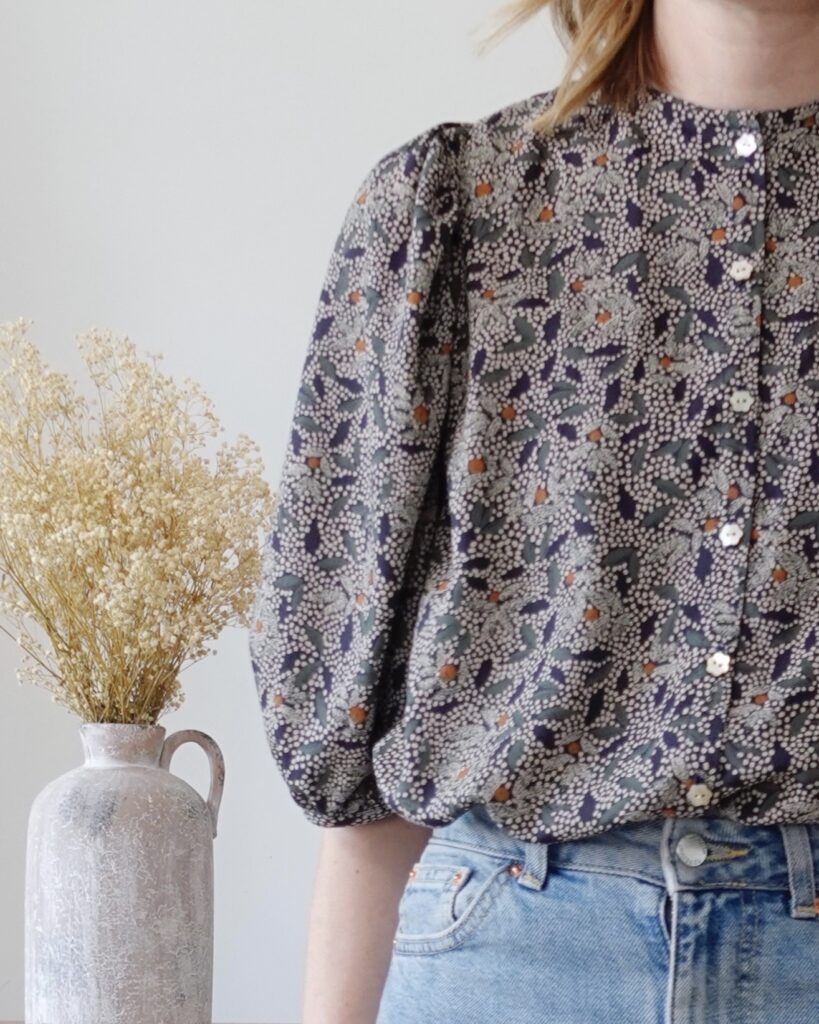
This is also something I’ve taken on in my own sewing life over the past couple of years and it’s worked wonders for creating a wardrobe I love. I’m really thinking quality over quantity where fabric is concerned. I would much rather these days, invest in a quality fabric that I know I’ll love to wear than buy lots of sub standard fabrics resulting in more garments but less that I’ll actually get the wear out of. Likewise slowing down and enjoying the process of sewing the garment, particularly if you’re using a beautiful fabric, making sure to be present and enjoy the techniques, even the ones that feel more boring than others. Slow down and enjoy all the parts of sewing yourself something well fitting and beautiful and that will last rather than rushing to churn out garment after garment. In my experience too, the garments that I’ve really taken my time over and put my best into are often again the ones I most love to wear and feel good in.
Letting each project inform the next…
Every time we sew something, we’re given really useful information. We learn about fit — where we like ease, where we don’t, and how much shaping we enjoy. We discover which necklines we actually like wearing. Each make also teaches us about fabric: what feels comfortable, what creases too much and makes us dread ironing, or what feels too stiff to enjoy.
Our garments even teach us about how we like to sew — the techniques we enjoy most, and whether we prefer quick, simple projects or slower, more thoughtful sewing that challenges us. When we ignore all of this information, we often end up repeating the same frustrations.
So, to close…
All of what I’ve said today is intended as a growth mindset for sewing an intentional handmade wardrobe. When you’re starting out in sewing it’s normal, and educational, to want to sew all of the things and actually that’s fine because that’s how you learn not only in terms of learning sewing techniques and skills but also about what does and doesn’t work for you.
Head over to my Patreon to download by ’Handmade Capsule Wardrobe Planner‘ plus more behind the scenes videos, sew-alongs and tutorials and stay tuned because I’ll have more coming up on YouTube on this topic over the next few weeks!
Thanks you for reading and happy sewing!
Sally xxx
Want to save this for later?
Pin this guide to your sewing or handmade wardrobe board on Pinterest so you can come back to it when planning your next project.