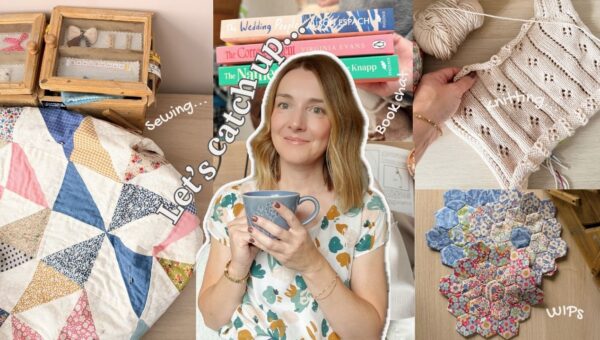
It’s time for another sew and tell! In my latest sewing and knitting catch-up, I’m sharing my finished makes, current works-in-progress, and the books that I’ve been loving (and not loving) lately!
Finished makes: From finished garments to what I’m still working on, I walk through everything I’ve stitched up recently — plus what I’ve loved and found difficult about the patterns I’ve been making.
Knitting WIPs: On the knitting side, I’m deep into a navy jumper with a very relatable problem, I’ve run out of yarn and might need to knit the second sleeve in a different dye lot – help!! Come weigh in in the comments!
What I’m reading: And because no catch-up is complete without book chat, I’m sharing what’s been on my reading pile too.
Grab a cuppa and settle in for the full sewing and knitting vlog — and hit subscribe so you don’t miss the next one.
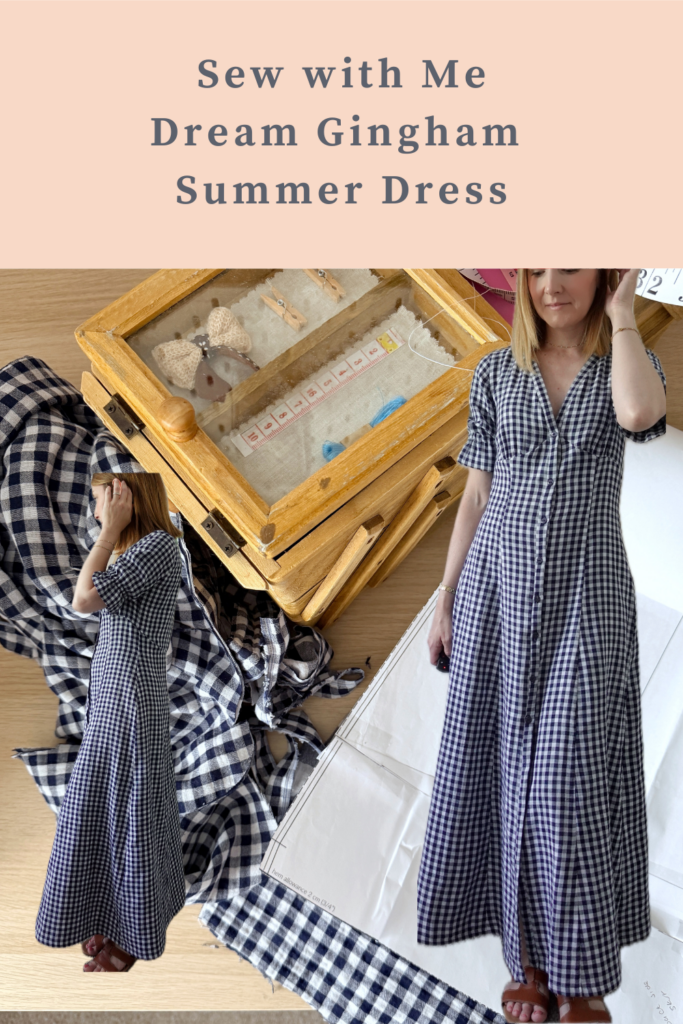
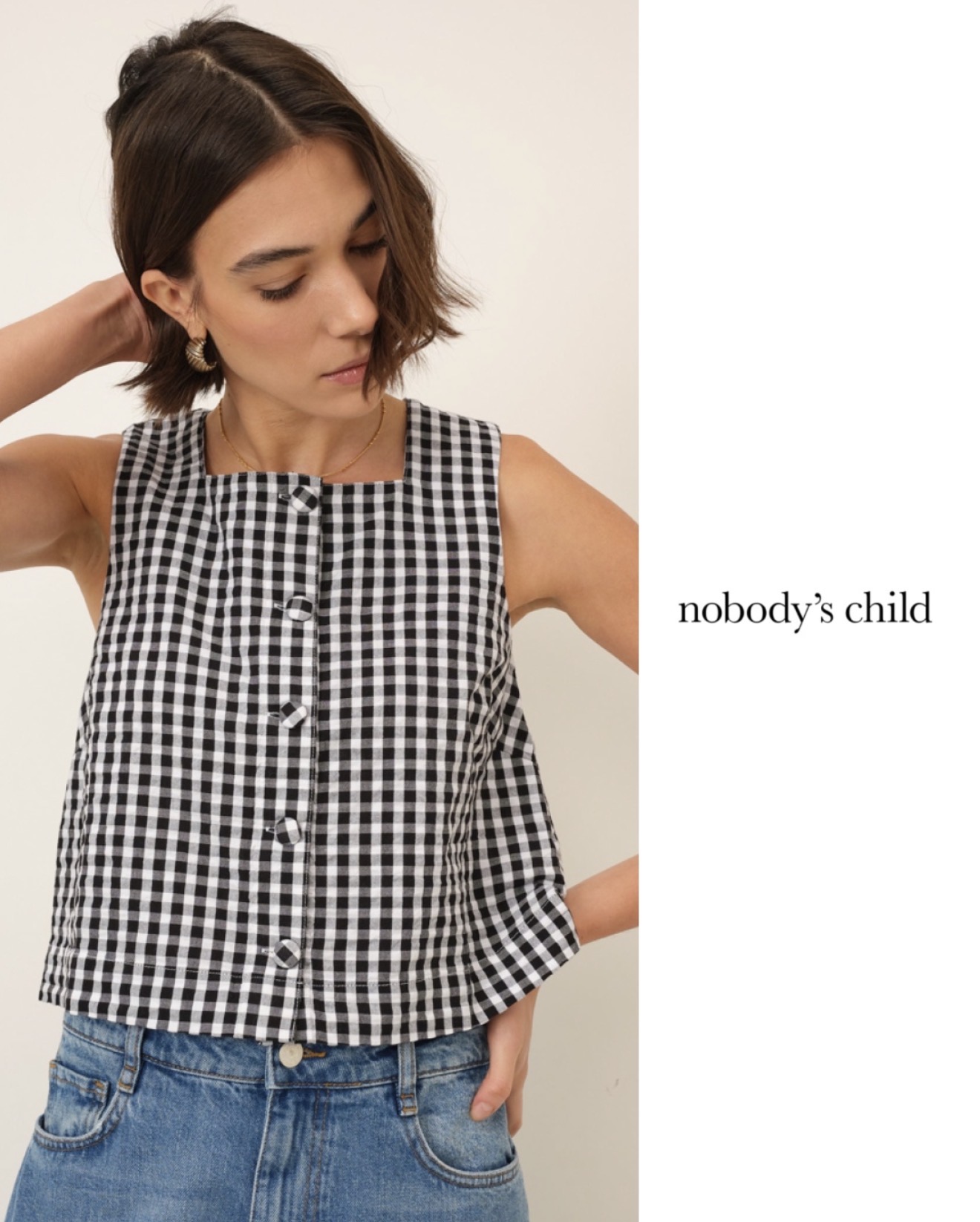
I am absolutely loving all of the gingham dresses around on the High Street at the moment, but for some reason, I’ve always wondered if gingham was for me!
My new sew-with-me follows the whole process of sewing my dream gingham summer dress, doubts included: is this colour actually me, and does it need sleeves or not? I go back and forth more than once (you’ll see it happen in real time), before landing on the final reveal.
If you’ve ever doubted yourself halfway through a project, this one’s for you.
Grab a cuppa, thread up, and sew along — or just enjoy the chaos of me debating my own dress.
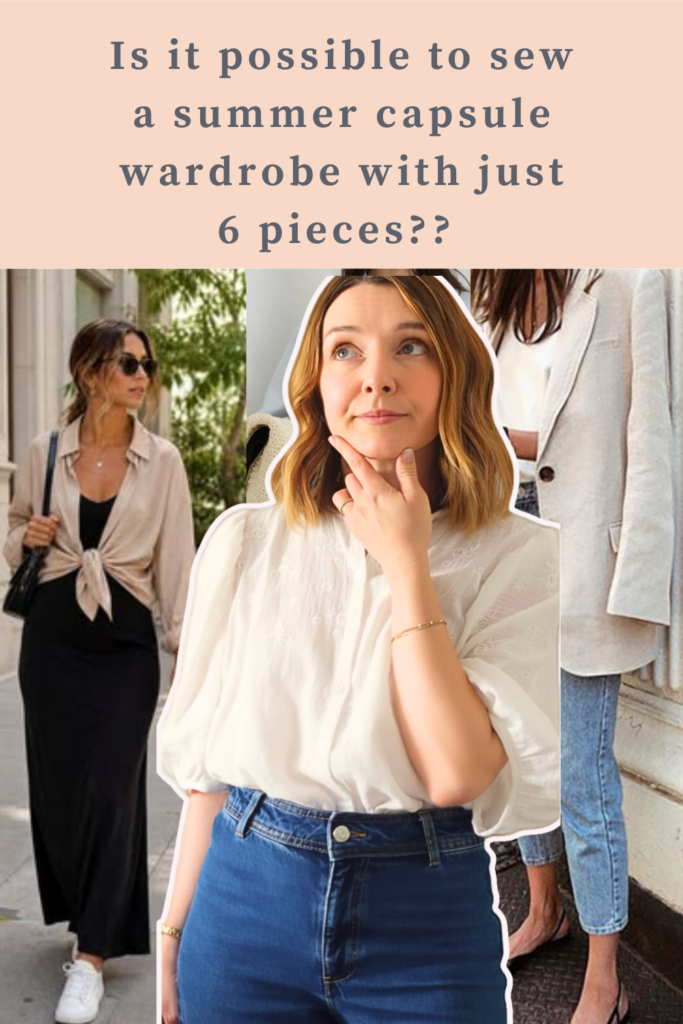
If the idea of a wearable, mix-and-match handmade summer wardrobe sounds brilliant to you — you’re in exactly the right place! In today’s post (and this week’s video) I’m sharing the six pieces I think would form the ultimate handmade summer capsule wardrobe: pieces that all work beautifully on their own, but that really come alive when you start mixing and matching them together.
I’ve also made a full YouTube video walking you through my Pinterest inspiration and exactly what I’m planning to sew — you can watch it below! All patterns mentioned are linked in the video description by the way!
The whole idea behind a capsule wardrobe is that every single piece works with every other piece — so six items can genuinely give you dozens of different outfit combinations. And because you’re sewing them yourself, you get to choose exactly the fabrics, colours, and prints that feel most like you. That’s the part I find most exciting!
The 6 Pieces
1. A Linen Blazer
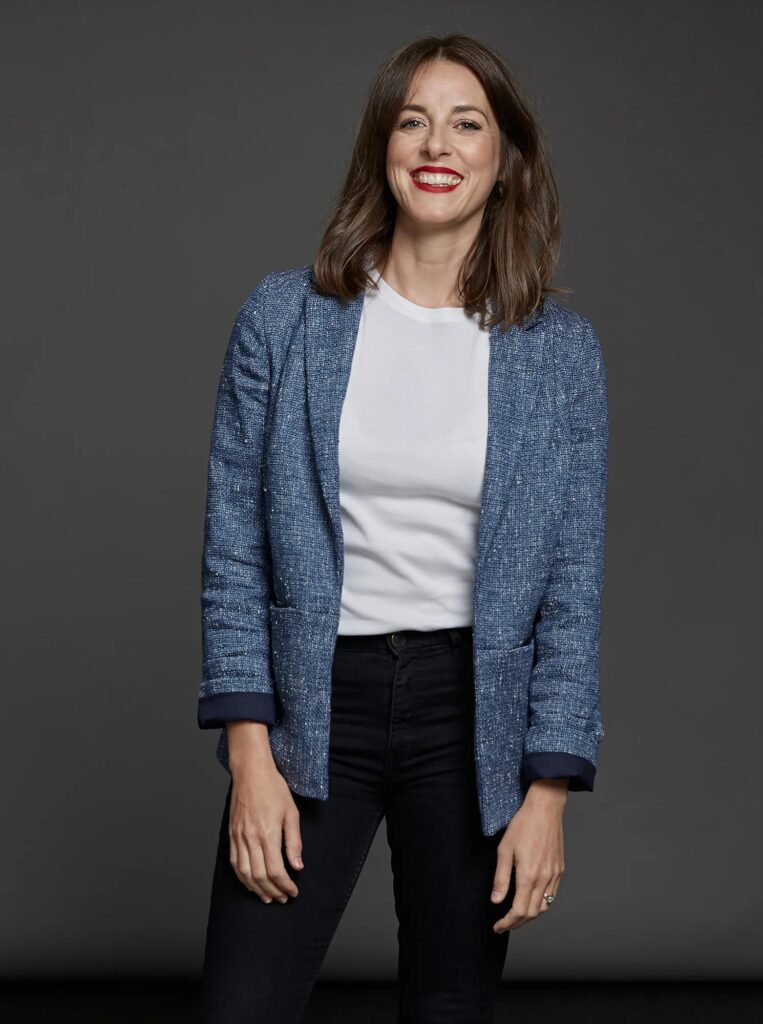
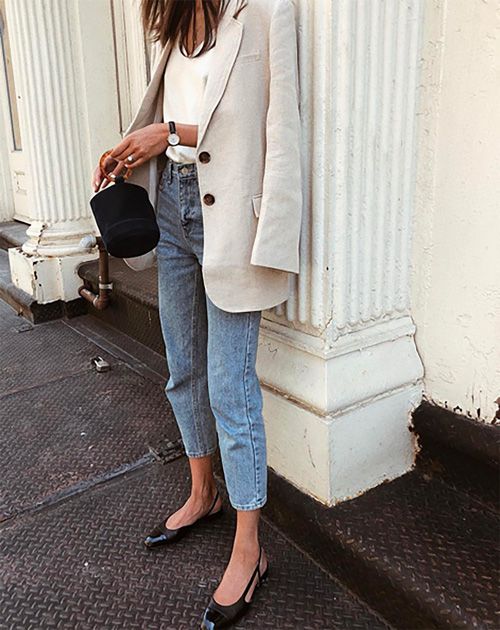
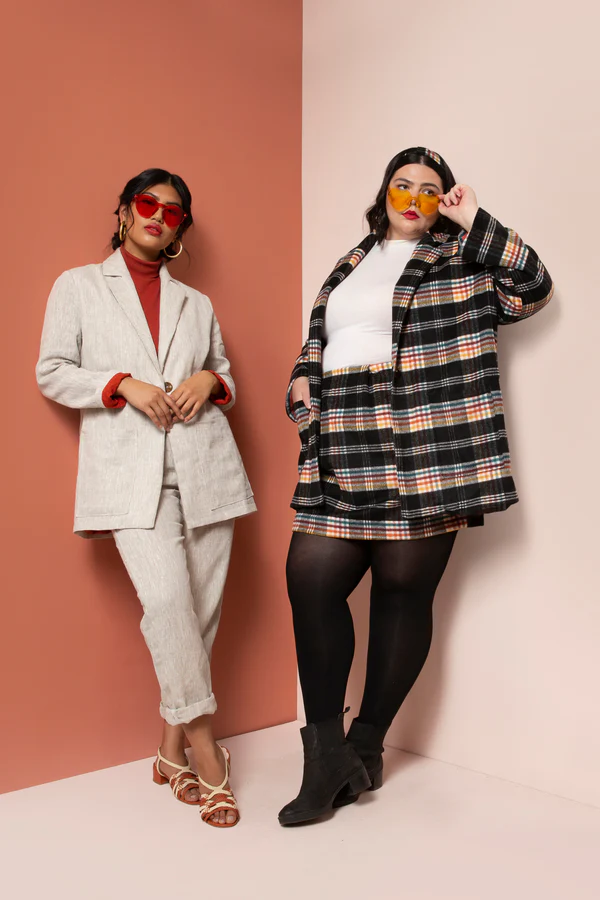
First up: a linen blazer. This is the piece that has the power to tie every outfit together and instantly elevate whatever you throw on underneath. A linen blazer worn over a slip dress feels polished and effortless; worn over wide-legged trousers it looks like you’ve made a proper effort even when you haven’t. In summer, linen keeps you cool even on warmer days, which makes it the perfect smarter layer.
I’m torn between The Blazer by The Avid Seamstress and The Heather Blazer by Friday Pattern Co — both are brilliant and I’ve never sewn the Heather before so I’d like to give it a try. If you’re not keep on a blazer for any reason then I would replace this item with a more relaxed light weight jacket, I love The Ilford Jacket by Friday Pattern Co and the Smith Jacket by Style Arc as slightly more relaxed alternatives. Let me know in the comments which you’d choose!
The Blazer by The Avid SeamstressPinterest InspirationThe Heather Blazer by Friday Pattern Co.
2. A Boxy T-Shirt or Cami
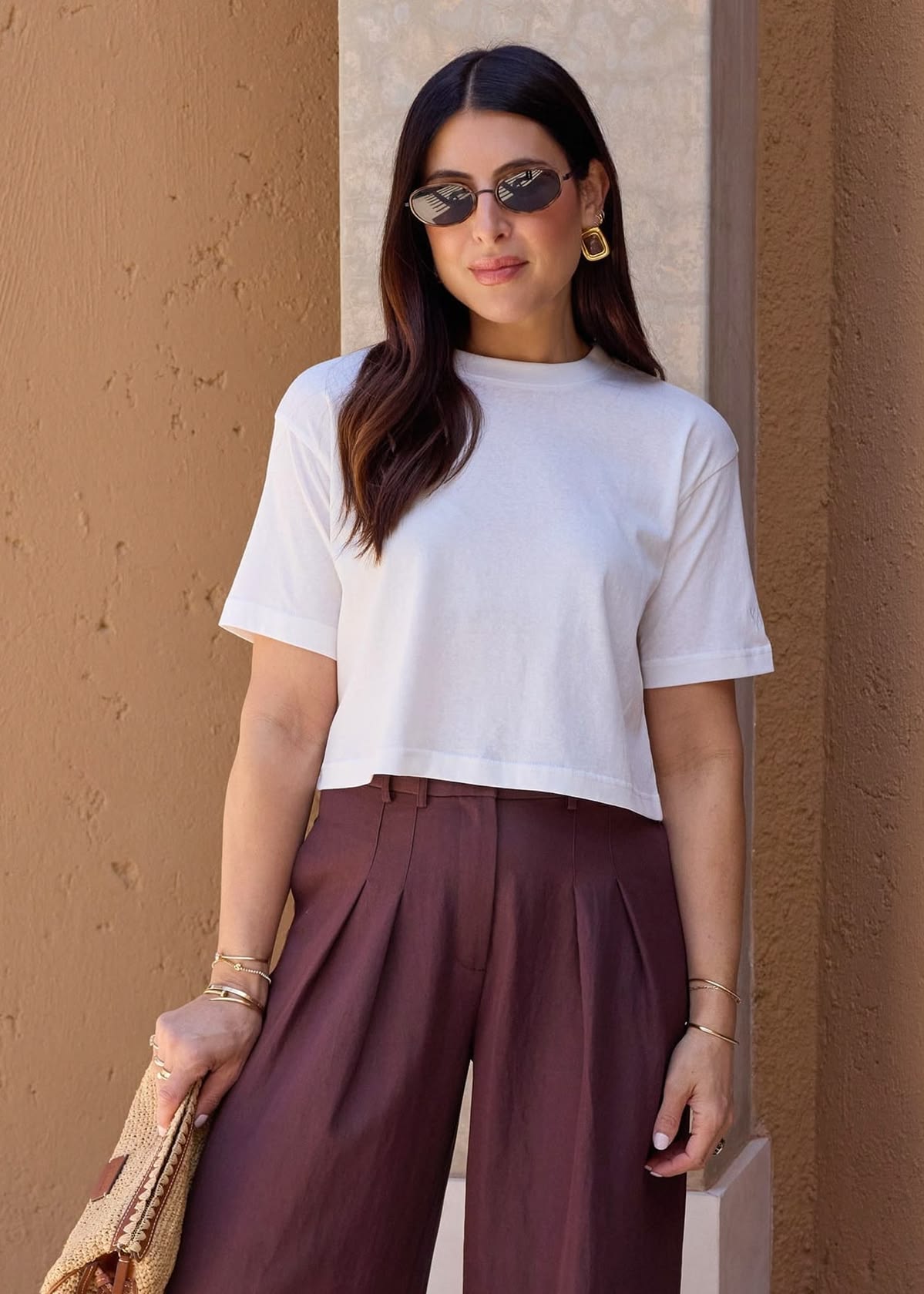
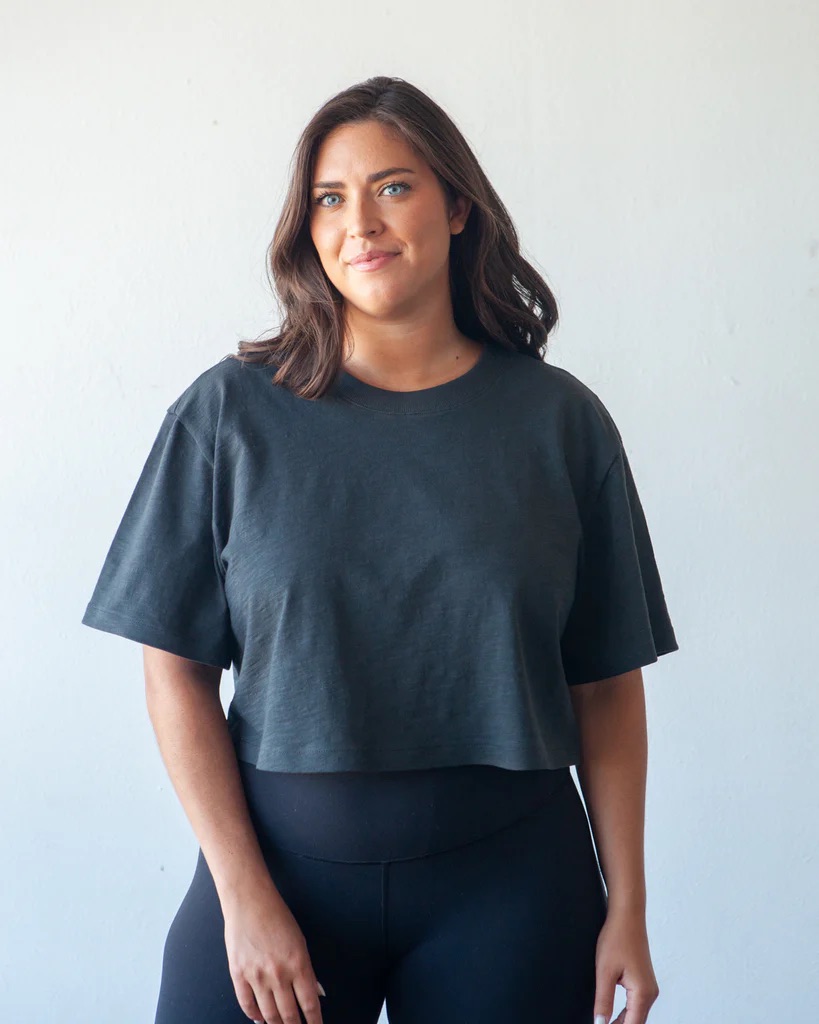
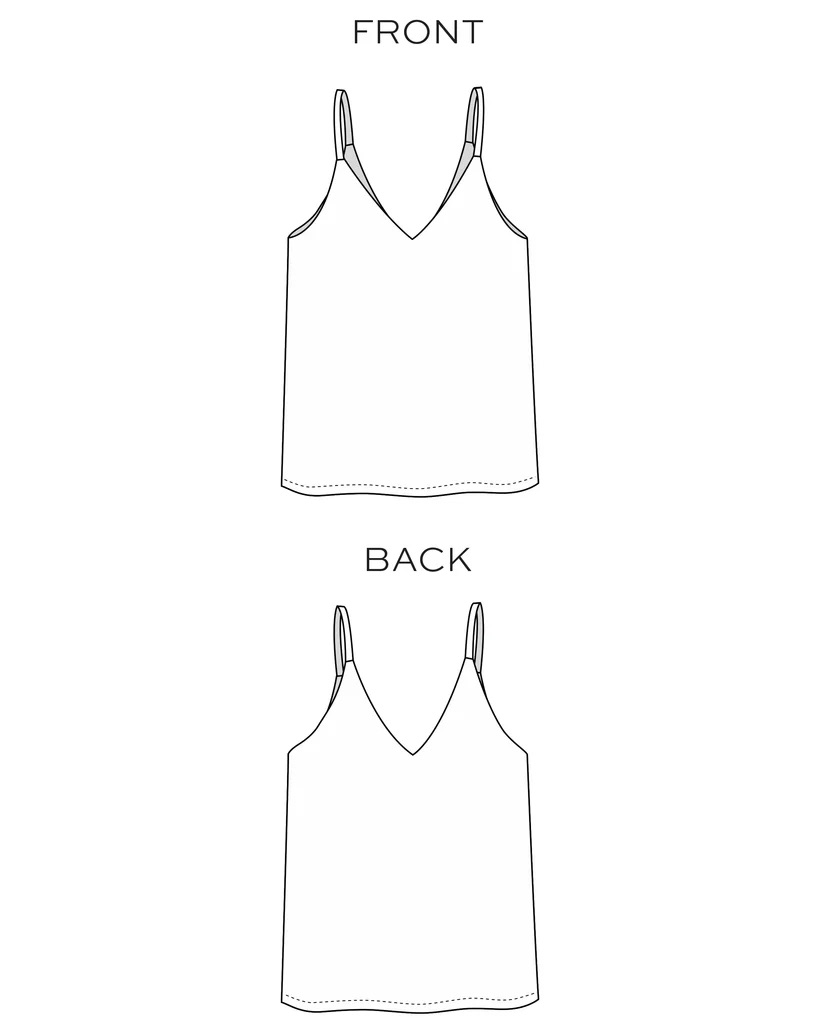
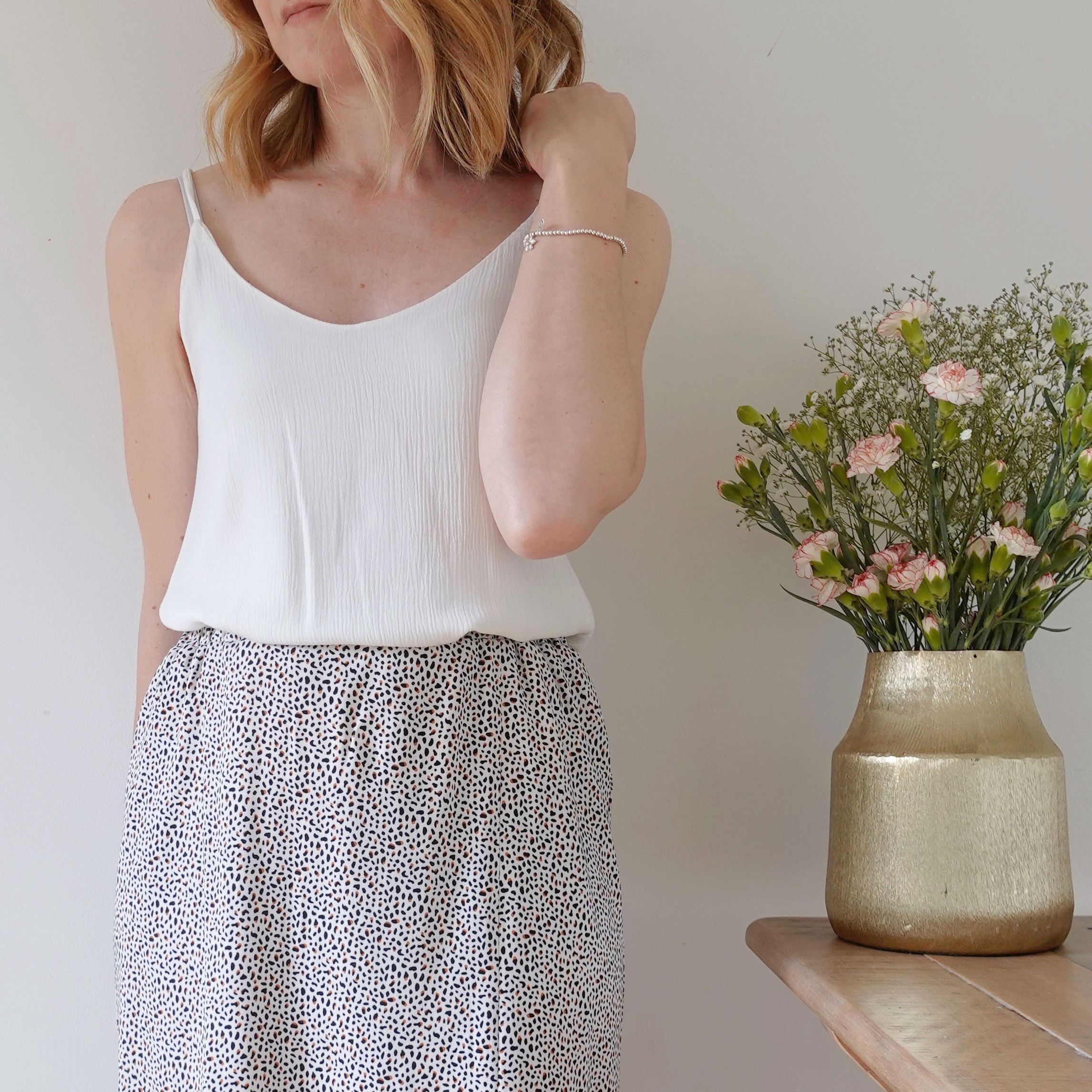
Every capsule wardrobe needs a simple, hardworking top — something unfussy that layers beautifully under the blazer, tucks into trousers, or stands on its own with shorts. For me, that’s either a boxy tee or, as an alternative, a simple cami.
I’ll be using the Jesse T by True Bias sewn in a double knit jersey for a beautifully structured, easy-to-wear finish — or, you could use the Ogden Cami by True Bias, or the Blommer Tank by Paradise Patterns for those warmer days when less is definitely more. A cami in a floaty viscose is such a brilliant layering piece and always worth having in your wardrobe for summer.
Pinterest InspirationJesse T by True Bias
3. Wide-Legged Trousers
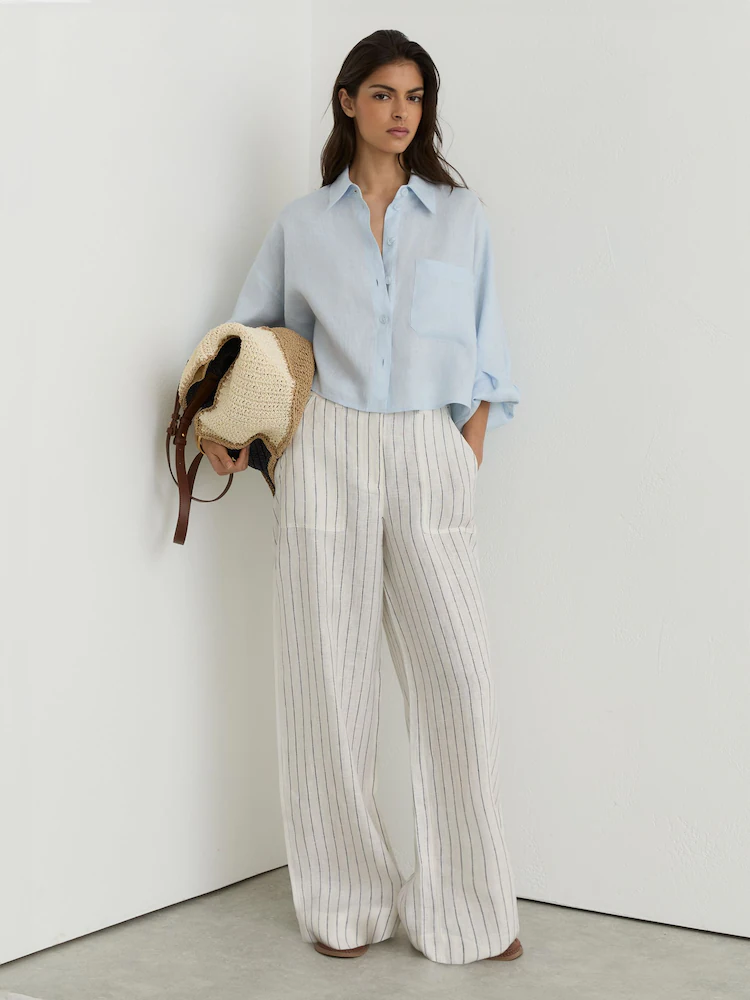
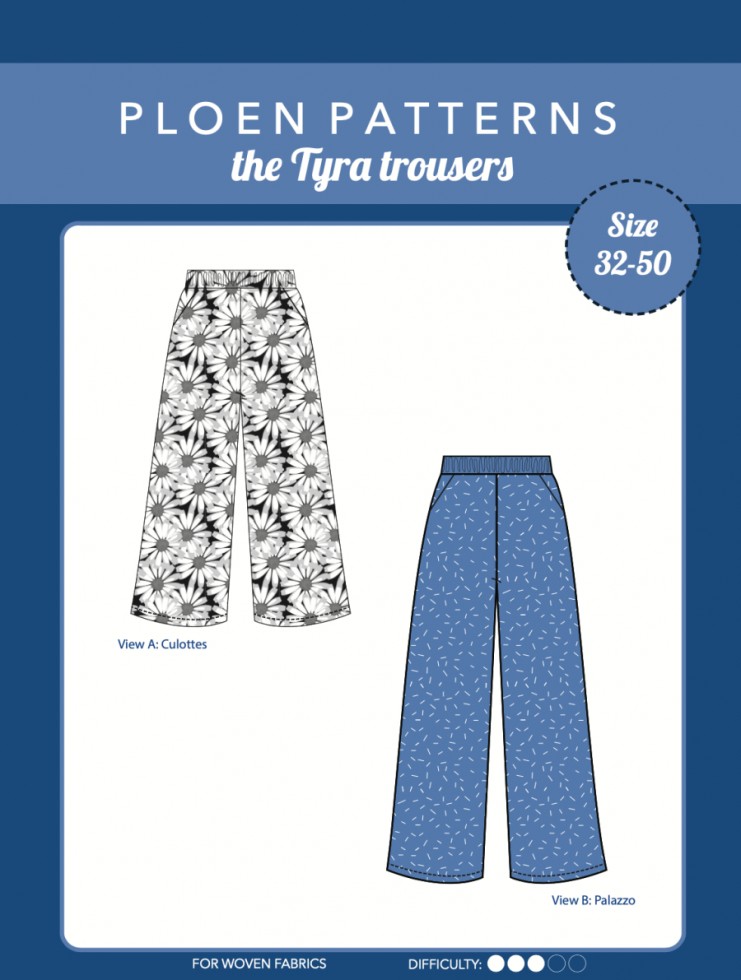
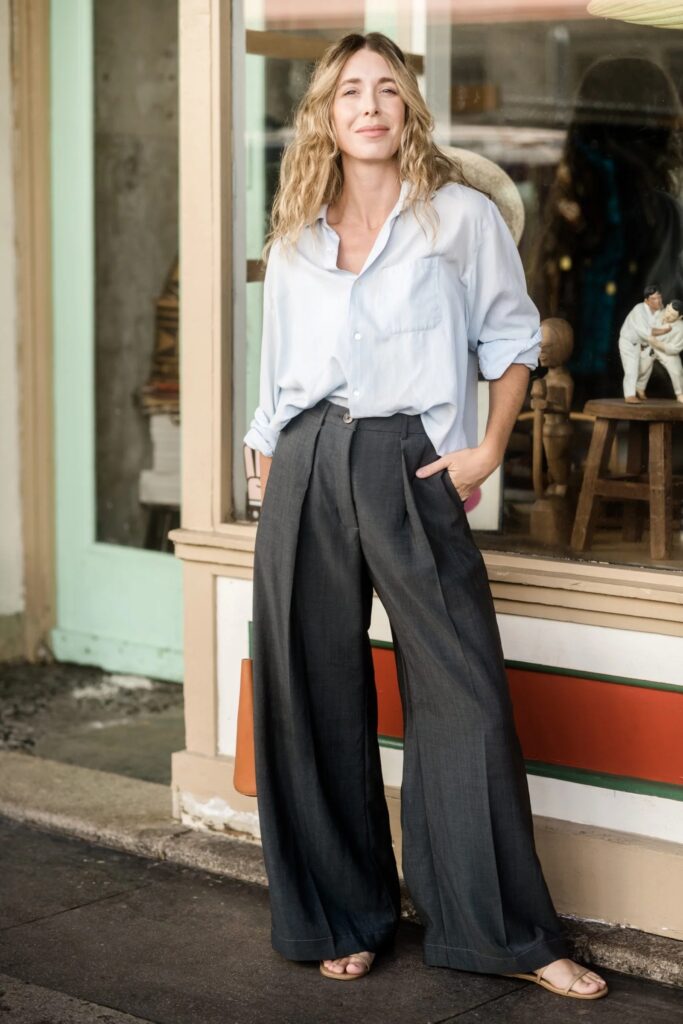
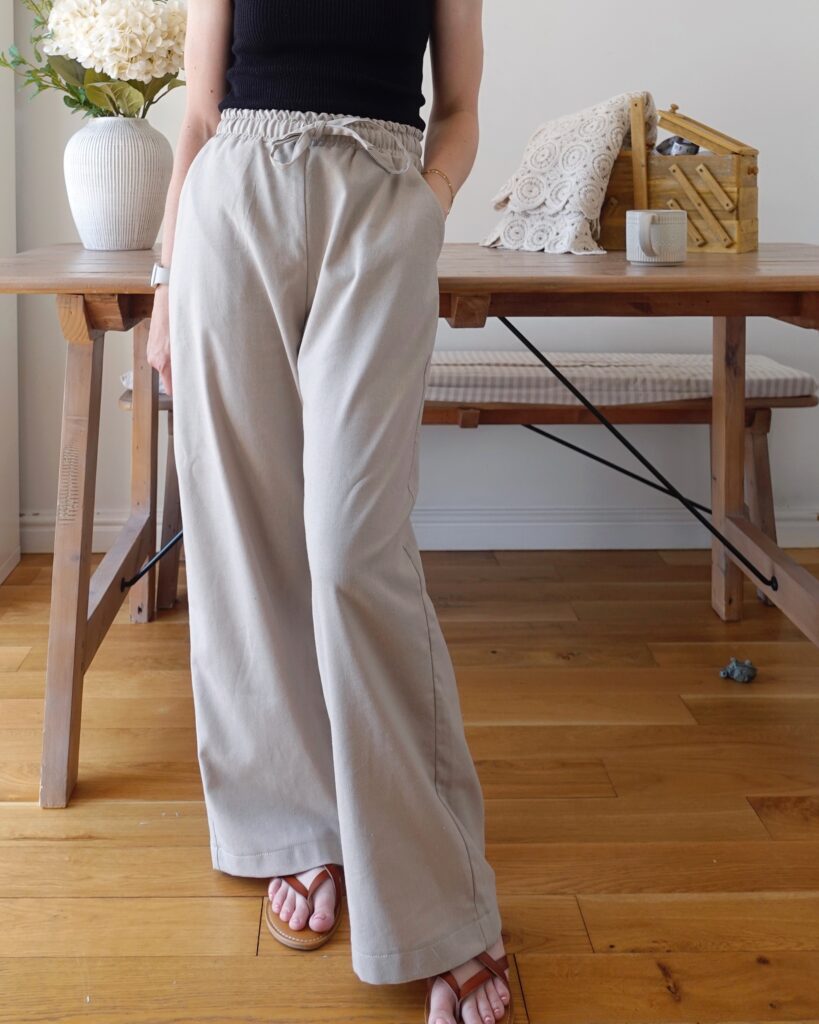
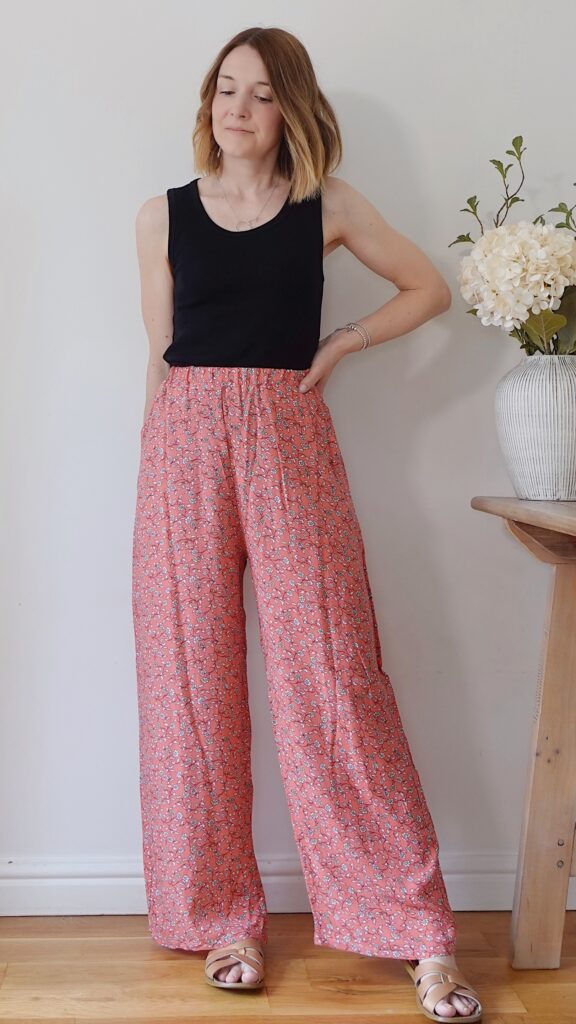
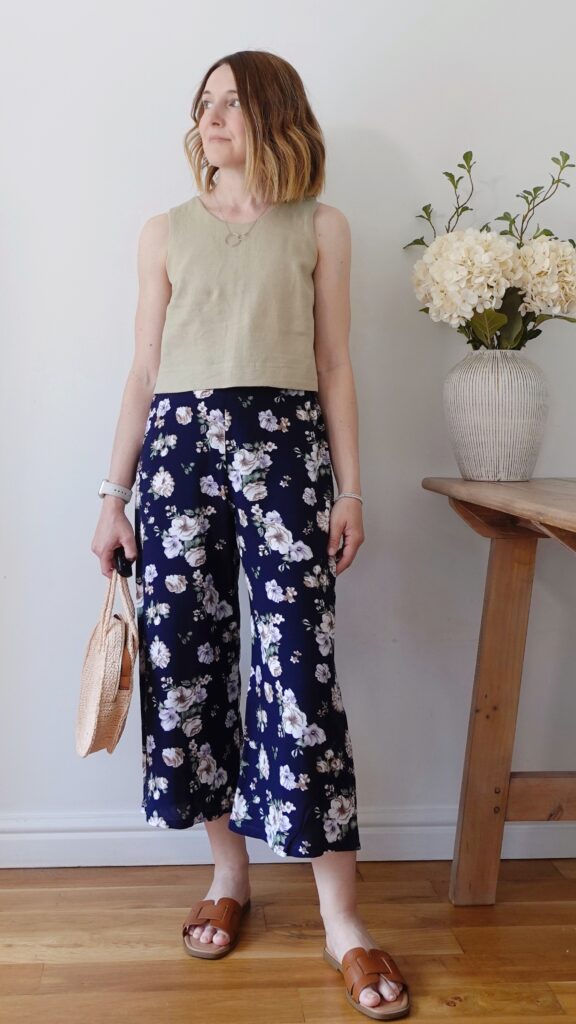
You know I can’t go a summer without sewing a new pair of wide-legged trousers! The Tyra Trousers by Ploen Patterns are always an obvious choice (I’ve sewn them more times than I can count), but I also love the Safiya Trousers by Tilly and the Buttons and the Protea Pants by Paradise Patterns as alternatives.
For fabric I’m thinking a stripe cotton or a navy linen viscose blend — chic, cool, and genuinely endlessly wearable. Wide-legged trousers are my definition of secret pyjamas, and I am completely fine with that.
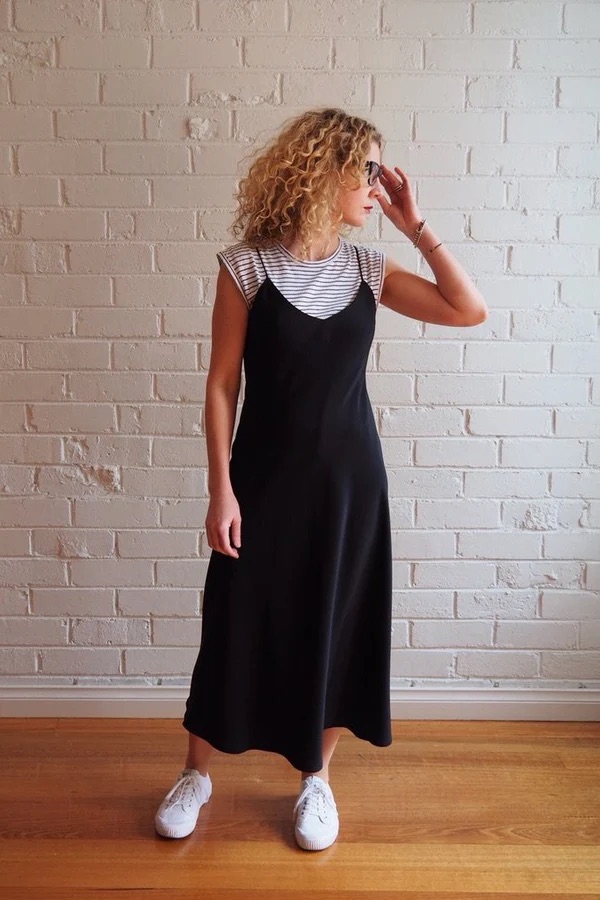
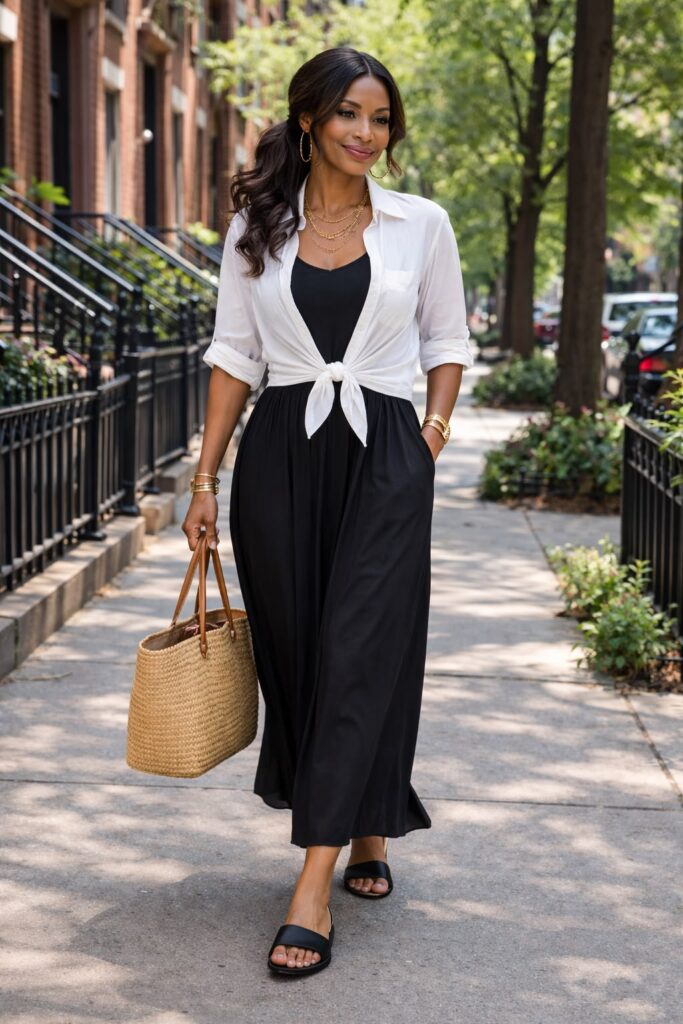
A slip dress might be the hardest-working piece in any summer capsule wardrobe. Wear it on its own on the hottest days, layer it under the linen blazer for something polished, or throw a button-up top on over it for a completely different feel — it genuinely does it all. If you’re not a dress person then I would choose the Clo Bias Skirt from Soften Studio as an alternative, because a bias-cut midi skirt hits so many of the same versatile notes.
For patterns I’m considering the Sadie Slip Dress by Tessuti and the Saltwater Slip Dress by Friday Pattern Co, both of which are beautifully simple and very wearable. For fabric I’m thinking a viscose twill — drapey, elegant, and lovely to wear in warm weather.
Pinterest InspirationSadie Slip Dress by Tessuti
5. Tailored Shorts
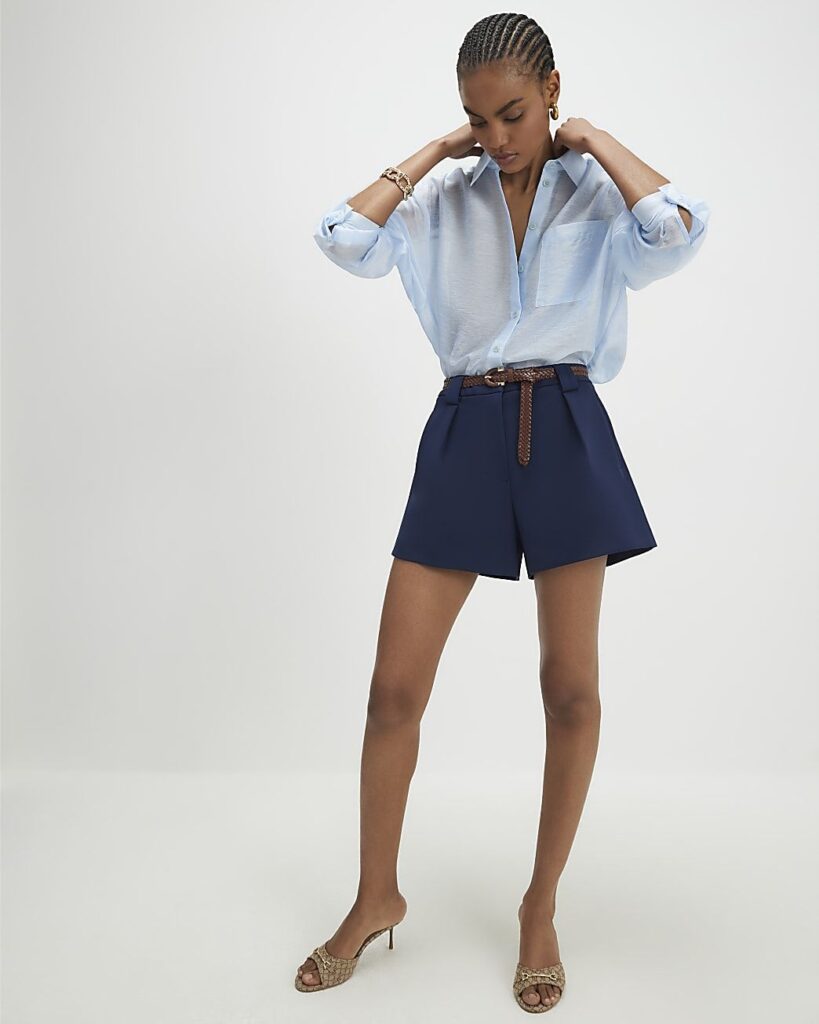
I’ll be honest — I haven’t sewn nearly enough shorts over the years, and this summer I really want to change that! Tailored shorts that sit neatly at the waist and pair well with everything are exactly what I’m after. I’m planning to hack the Protea Pants by Paradise Patterns into a shorts version and use the same navy linen viscose I’m planning for the blazer. These would work well with my linen blazer and my boxy white tee which makes me very happy!
Pinterest InspirationProtea Pants by Paradise Patterns
6. A Button-Up Top
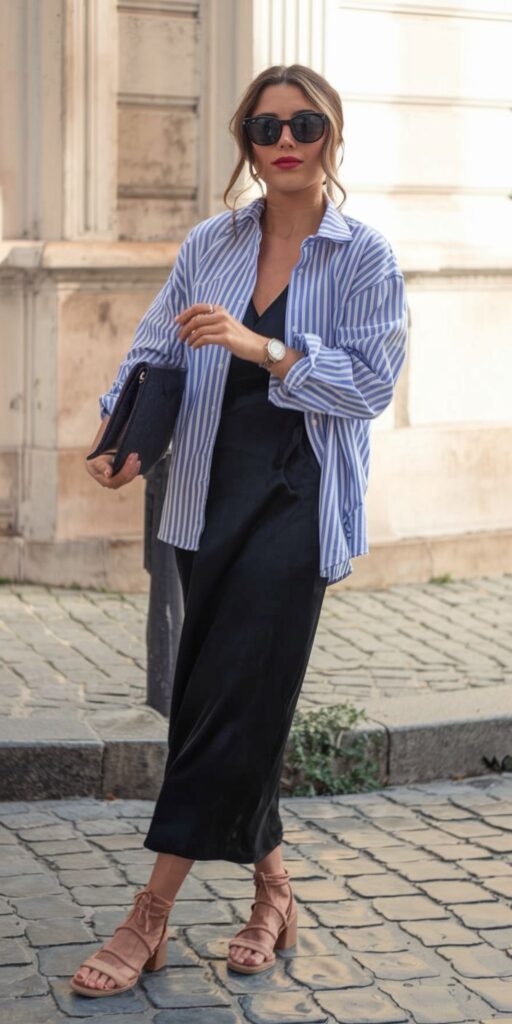
Last but absolutely not least: a classic button-up top. There is something so endlessly versatile about a well-made button-up — wear it over the slip dress, tucked into the wide-legged trousers, or open as a lightweight layer on a breezy day. It’s the piece that quietly ties the whole capsule together.
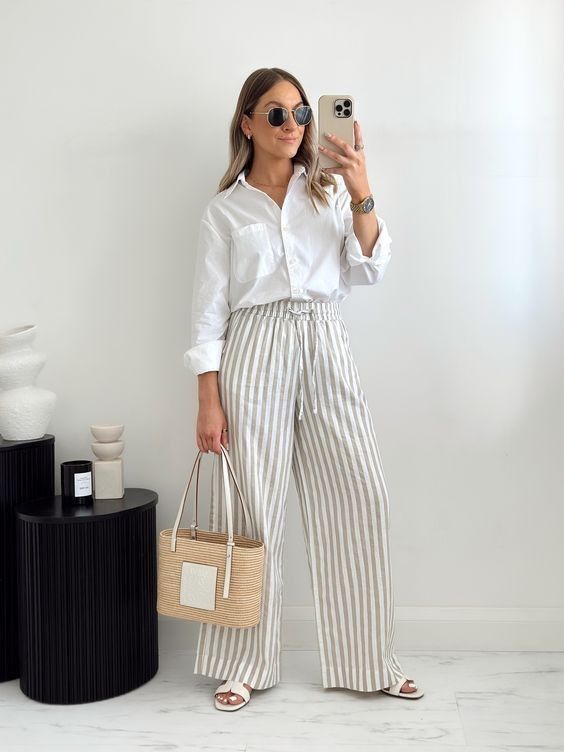
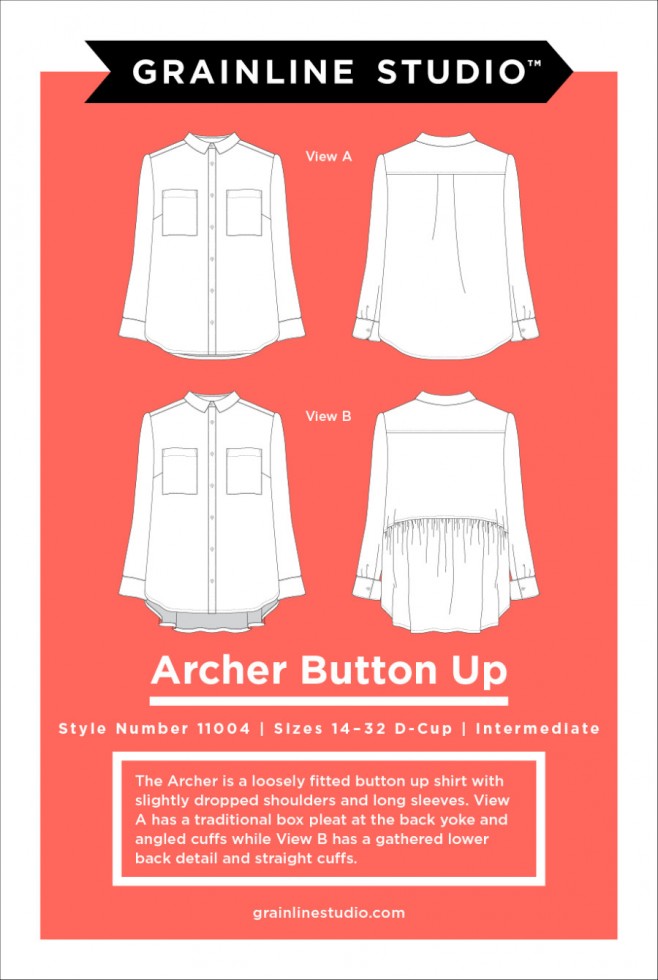
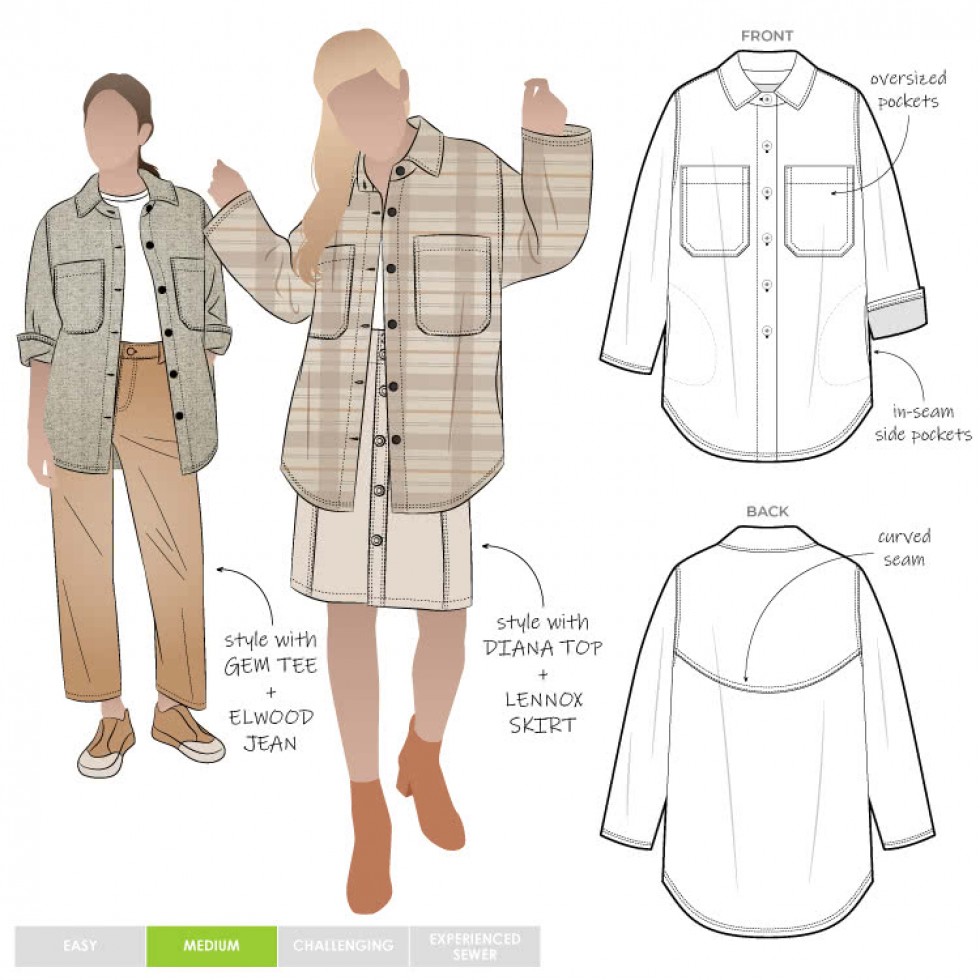
I’m going to be using the Grainline Archer Button Up but I also love the Logan Shacket by Style Arc for a more oversized fit and feel. For fabric I’m leaning towards a white cotton gauze or cotton voile — light, airy, and just perfect for summer, I just need to find the right one!
Button Up & Slip DressGrainline Archer PatternButton Up & Wide Leg Trousers
The Plan
Six pieces that all work together, all handmade, all in a cohesive colour palette — that’s the goal for this summer! I’ll be documenting the whole process over on YouTube as I sew each piece, so make sure you’re subscribed so you don’t miss a single make. You can watch the full inspiration video — including all the Pinterest images that got me started — right here:
I’d love to know — would you sew a capsule wardrobe? And do you think I’ve chosen the right six pieces, or would you swap anything out? Let me know in the comments below!
Happy sewing!
Sally xx
Ps. Pin this so you remember to come back to it later!
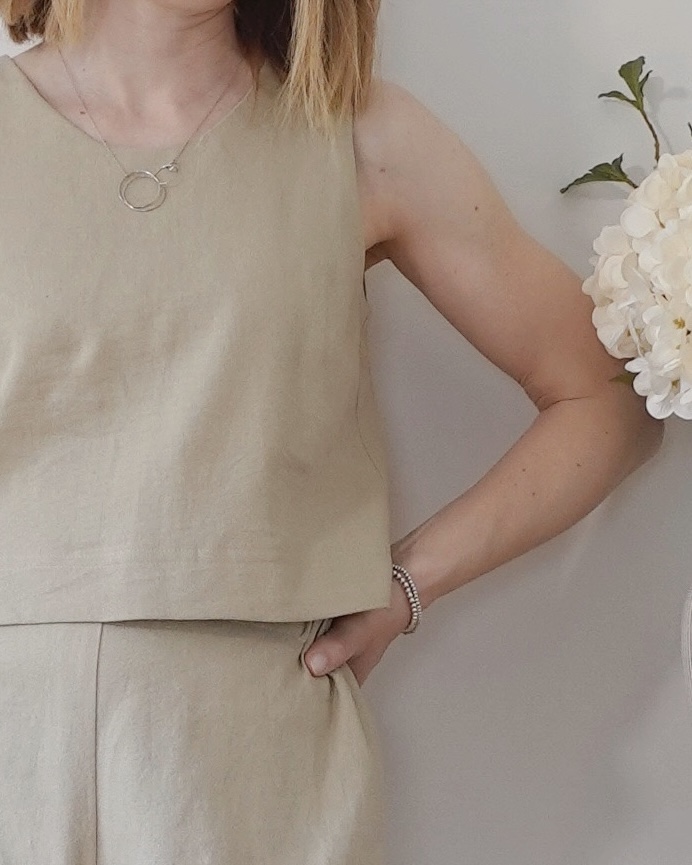
If you’ve been following along for a while, you’ll know that the Ashton Top by Helen’s Closet is one of my absolute favourite sewing patterns. I featured it in my Top 10 Summer Sewing Patterns post just a few weeks ago — and for good reason. It’s a beautiful, versatile pattern that I come back to again and again.
But this time, I decided to switch things up a little. I’d been spotting so many gorgeous button-front tops on the high street lately — the kind that are cool and effortless — and it got me thinking about whether I could create something similar with a pattern I already own rather than buying something new.
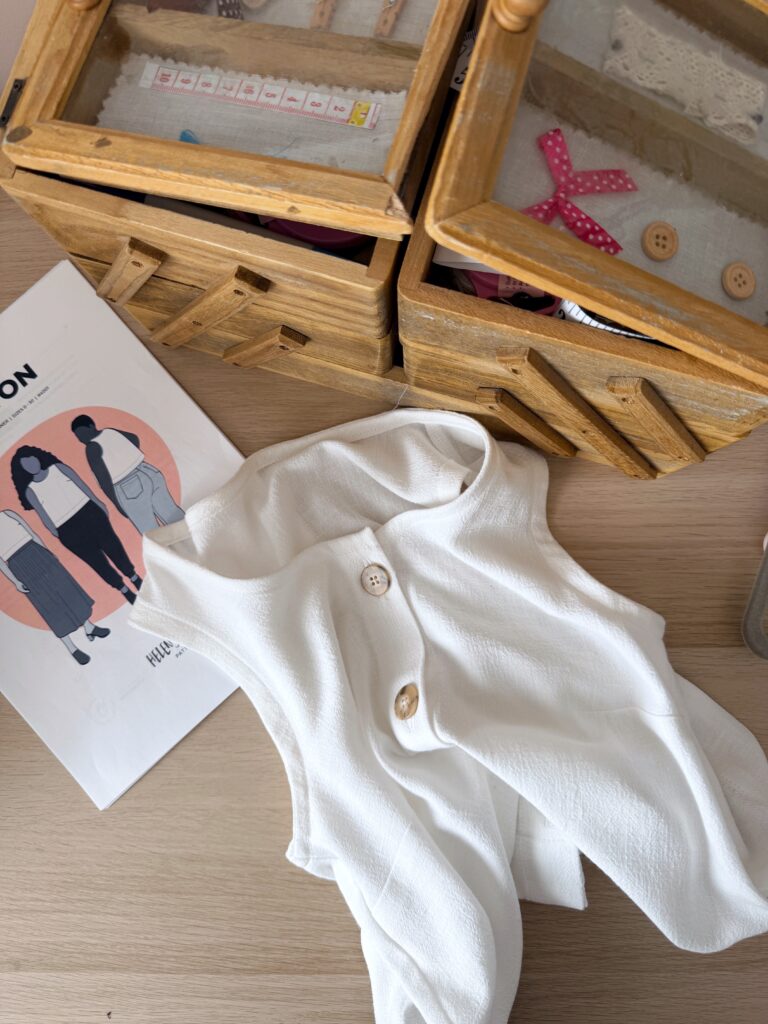
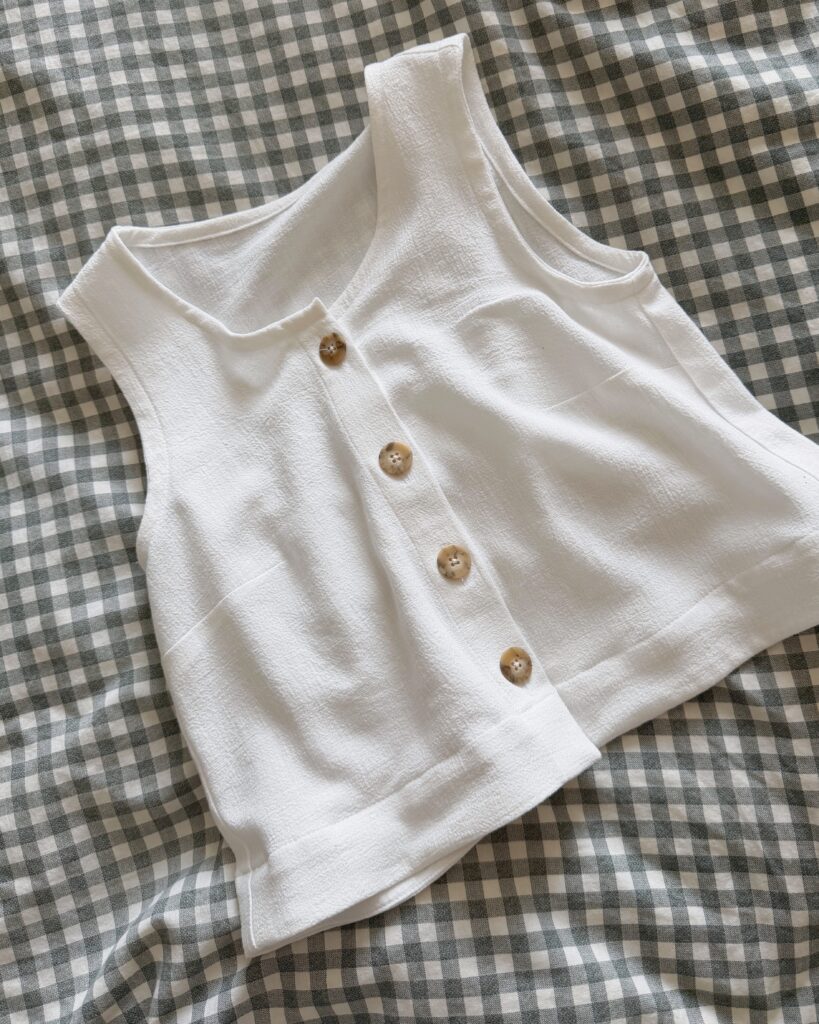
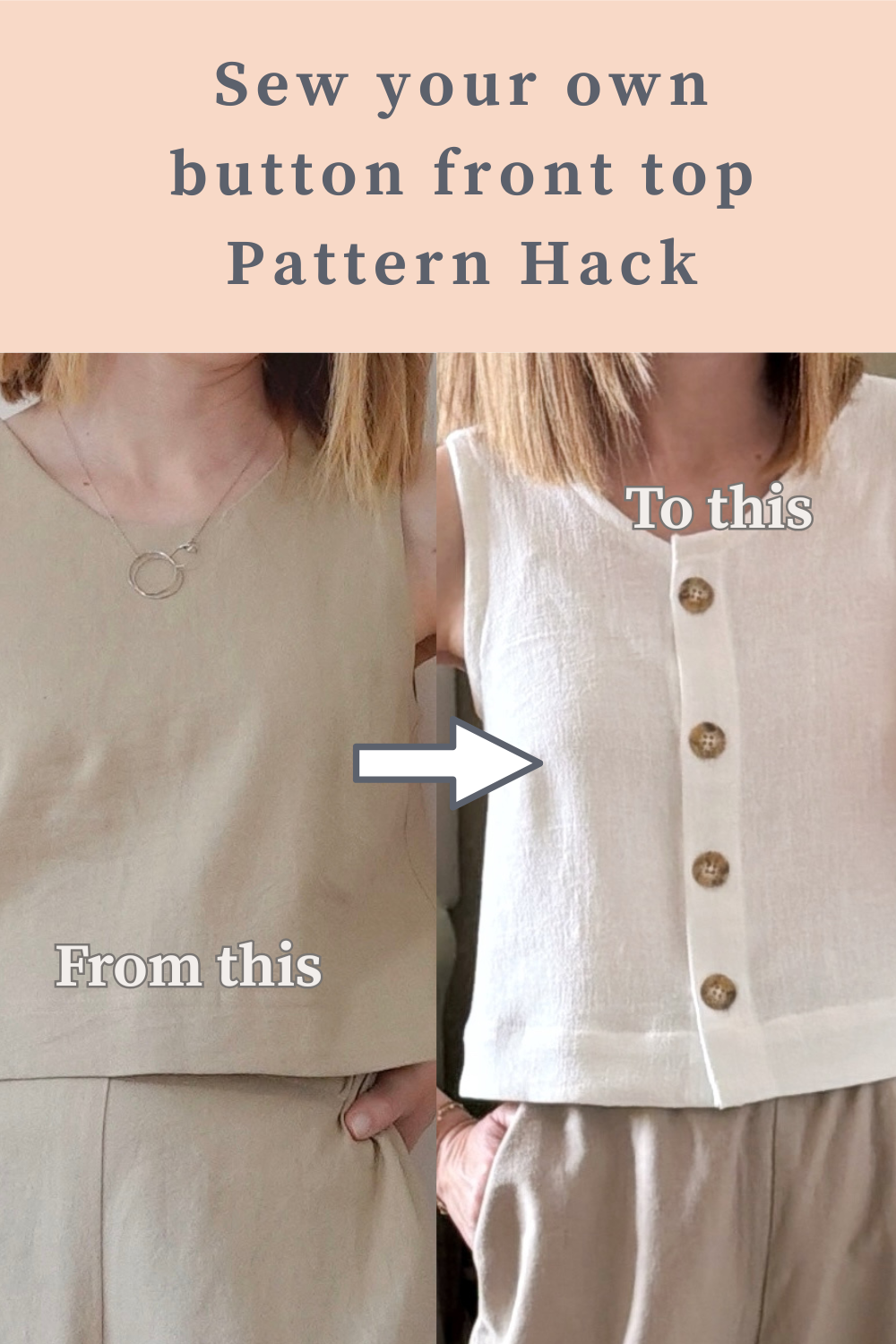
So that’s exactly what I did! In my latest YouTube video, I’m sharing a full pattern hack of the Ashton Top, transforming it into a High Street inspired summer top with a button-down front and a lowered neckline — all sewn up in the most beautiful white slub linen.
High Street InspirationMy Original Ashton Top
What Is a Pattern Hack, and Should You Try One?
If you’re new to pattern hacking, the idea is simply this: you take a pattern you already have and modify it to create something different. It sounds a bit scary, but it’s actually one of the most satisfying things you can do as a sewist. You already know the pattern fits, which means you can focus purely on the fun creative part!
The Hack: What I Changed
Starting from the standard Ashton Top, here’s what I did to create this new version:
1. Lowered the neckline
The original Ashton Top has a beautiful, clean faced or bound neckband. For this hack, I lowered the neckline slightly to create a more relaxed, summer-appropriate finish. In the video I show you exactly how to do this without losing the shape and structure of the original pattern.
2. Drafted a button band
This is the feature that really transforms the top into something that feels very different. I drafted a button band from scratch — and I promise it’s much more manageable than it sounds and I’ll take you through the whole process step by step.
3. Bias bound the neckline and armholes
Once the neckline was lowered, I finished it with bias binding rather than a facing. This gives a beautifully neat, minimal finish that works so well with the linen fabric. I also bias bound the armholes to match.
4. Sewed a hem facing
I love the faced hem of the original Ashton and I wanted to keep this for my new button up version and so I modified the original facing pattern piece to adapt to the new button band. A hem facing gives a really clean, professional result that sits beautifully and keeps the hem flat and the shape nice and boxy.
The Fabric
I used a gorgeous slub linen for this make — and it was perfect for this design. Linen is one of my favourite summer fabrics because it breathes so well, and the slub texture of this one adds a lovely natural character to it. It also presses beautifully, which is really helpful when you’re working with techniques like bias binding and button bands.
I’ve linked a similar slub linen in the video description if you want to track something down!
Watch the Full Video
All of the steps above are explained in much more detail over on YouTube — this really is a project where seeing it done makes all the difference! Whether you want to follow along in real time or just get a feel for whether this hack is for you, head over to watch:
And if you love a good pattern hack, you might also enjoy my other pattern hack videos — I have a whole playlist of them over on YouTube called ‘Sew the Look‘ which you can find linked in the video description!
Have you ever hacked a pattern before? I’d love to know which one — drop it in the comments below! And if you give this hack a go, please do share a photo with me over on Instagram — I absolutely love seeing your makes!
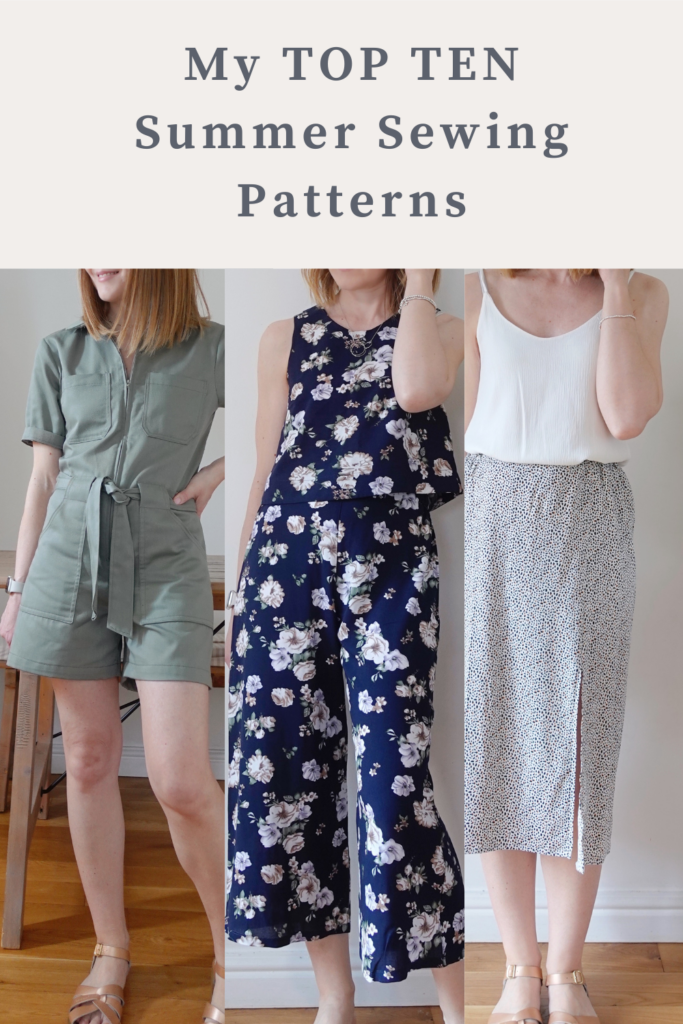
A few weeks ago I shared 10 summer sewing patterns over on Instagram — and honestly, the response absolutely floored me! It had thousands of views and thousands of saves, and I also had quite a few questions about fabric choices and sewing levels for each one. So I figured it was time to do a proper full video and blog post version!
In today’s post (and YouTube video!), I’m talking you through all 10 patterns — sharing the sewing level, the types of fabrics that work well for each one and why, and who I think each pattern is best suited to. I really do think there’s something here for everyone, whether you’ve been sewing for six weeks or six years!
*All sewing patterns are linked in the video description over on YouTube*
The Top 10 Summer Sewing Patterns
1. The Safiya Playsuit – Tilly and the Buttons (Make It Simple Book)
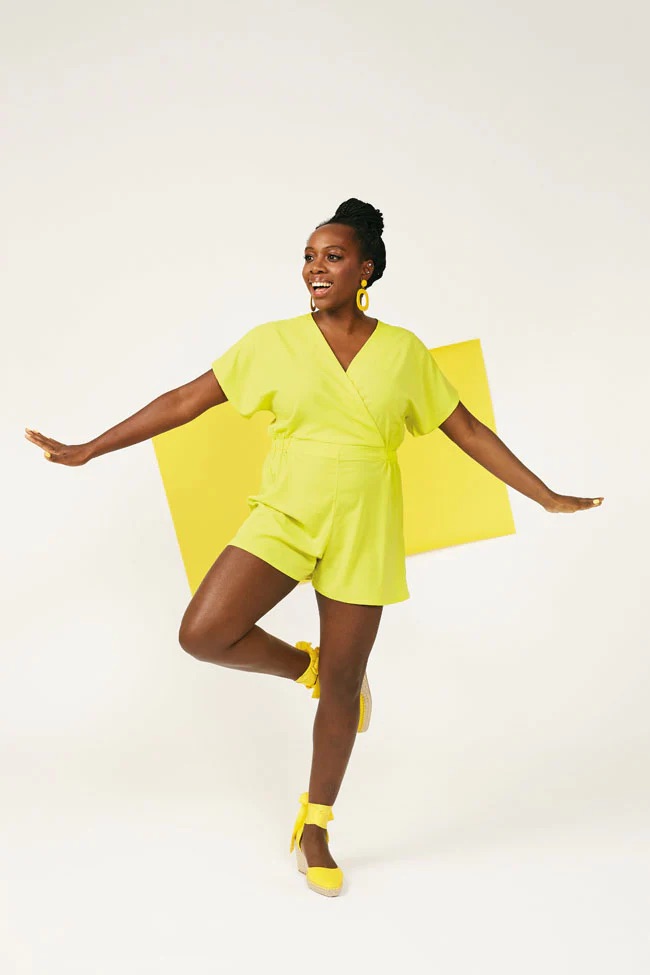
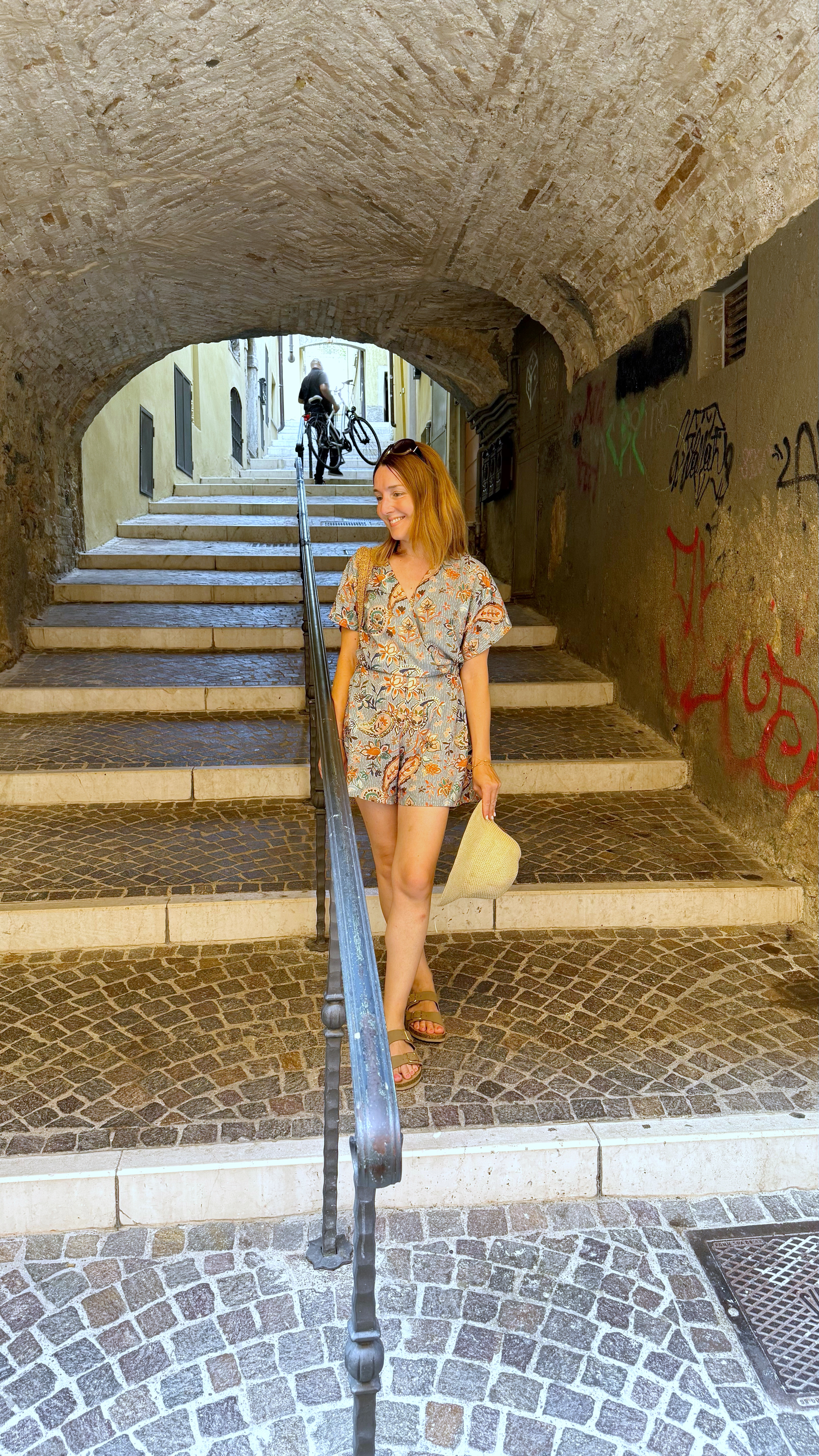
My first pick is the Safiya Playsuit by Tilly and the Buttons, from the Make It Simple book. This is an easy-to-sew, easy-to-wear elasticated waist playsuit with a flat front, a faux wrap bodice with grown-on sleeves, and the option to sew it with either short or long legs. I whipped up a couple of these really last-minute before a hot holiday last year and honestly got so much wear out of them. There is something brilliant about a playsuit — you just throw it on and you’re good to go!
Sewing level: Beginner. The Make It Simple book is designed with beginners in mind, and if you’re more experienced you can easily sew this in a couple of hours.
Fabric: You can use a variety of fabrics here. My preference is something with a little drape — a floaty, swishy viscose or rayon gives a lovely result. If you want more structure and want to emphasise the A-line shape, try a cotton or linen. Cotton and linen are also much easier to sew if you’re a beginner, and they’re wonderfully breathable in hot weather too!
2. The Almy Blouse – Stylearc
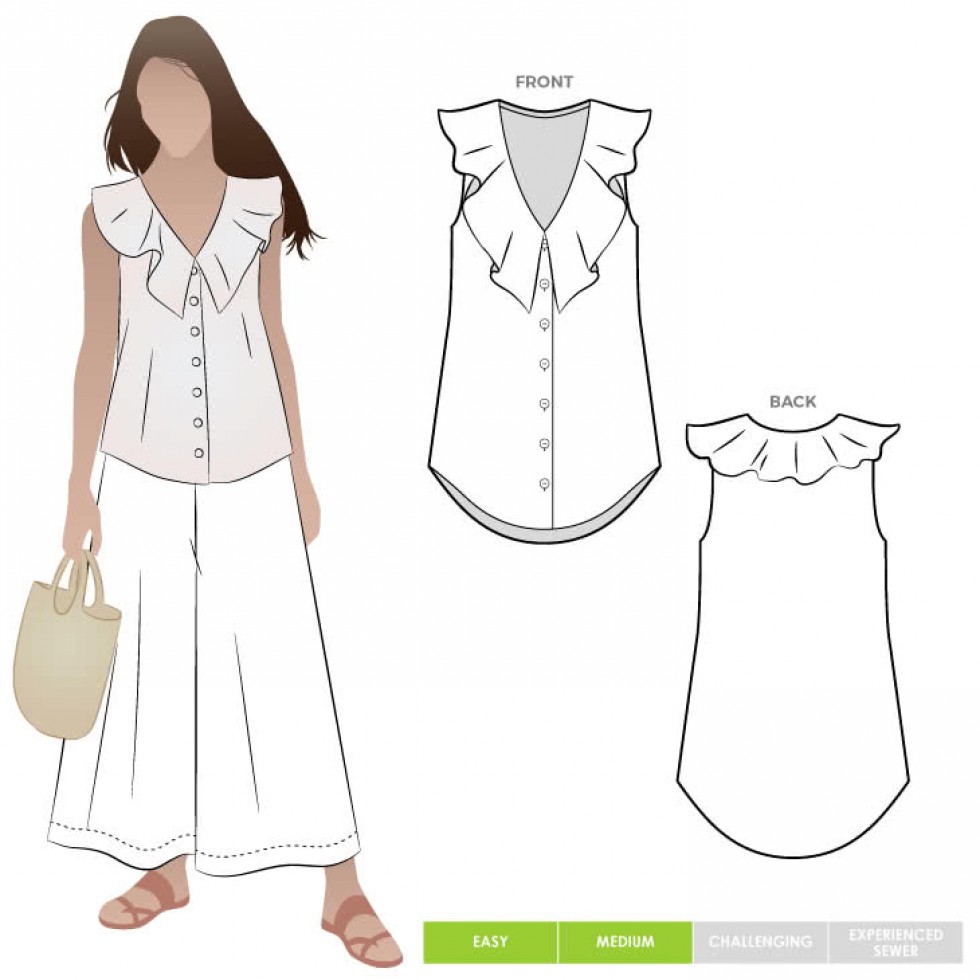
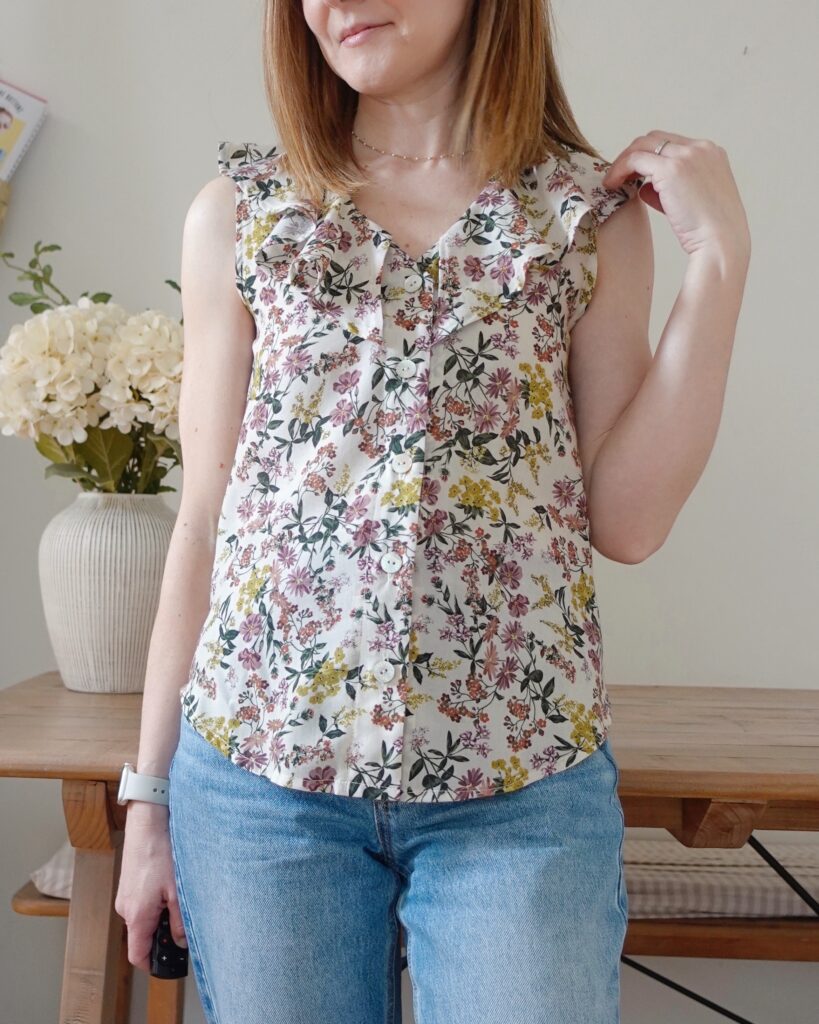
I had to include the Almy Blouse by Stylearc because it’s just so floaty and cool to wear in hot weather. It’s a fully button-up blouse with a turn-under button band, bias-bound armholes, and a gorgeous flounce detail at the front that really elevates it. I absolutely love sewing this one — it’s such a pretty summer blouse.
Sewing level: Intermediate. Stylearc patterns can be slightly vague in their instructions, but because the design is actually quite simple I think if you’ve sewn blouses before you’ll be fine. I do have a video of me sewing this blouse which I’ll link below if that helps!
Fabric: This works beautifully in something with drape — I’ve sewn mine in a cotton lawn. You could also try a viscose, rayon, or crepe. A cotton or linen works too since the blouse’s flounce is cut on the bias, giving you that drapey effect with a slightly more structured feel.
3. The Blanca Flight Suit – Closet Core Patterns
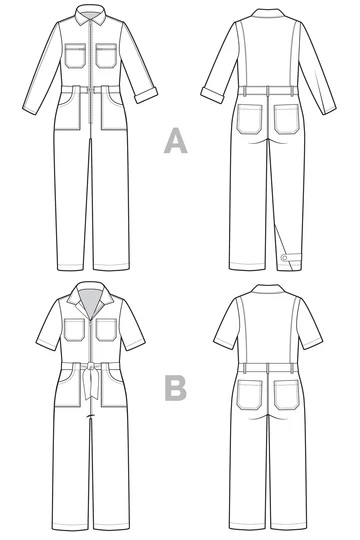
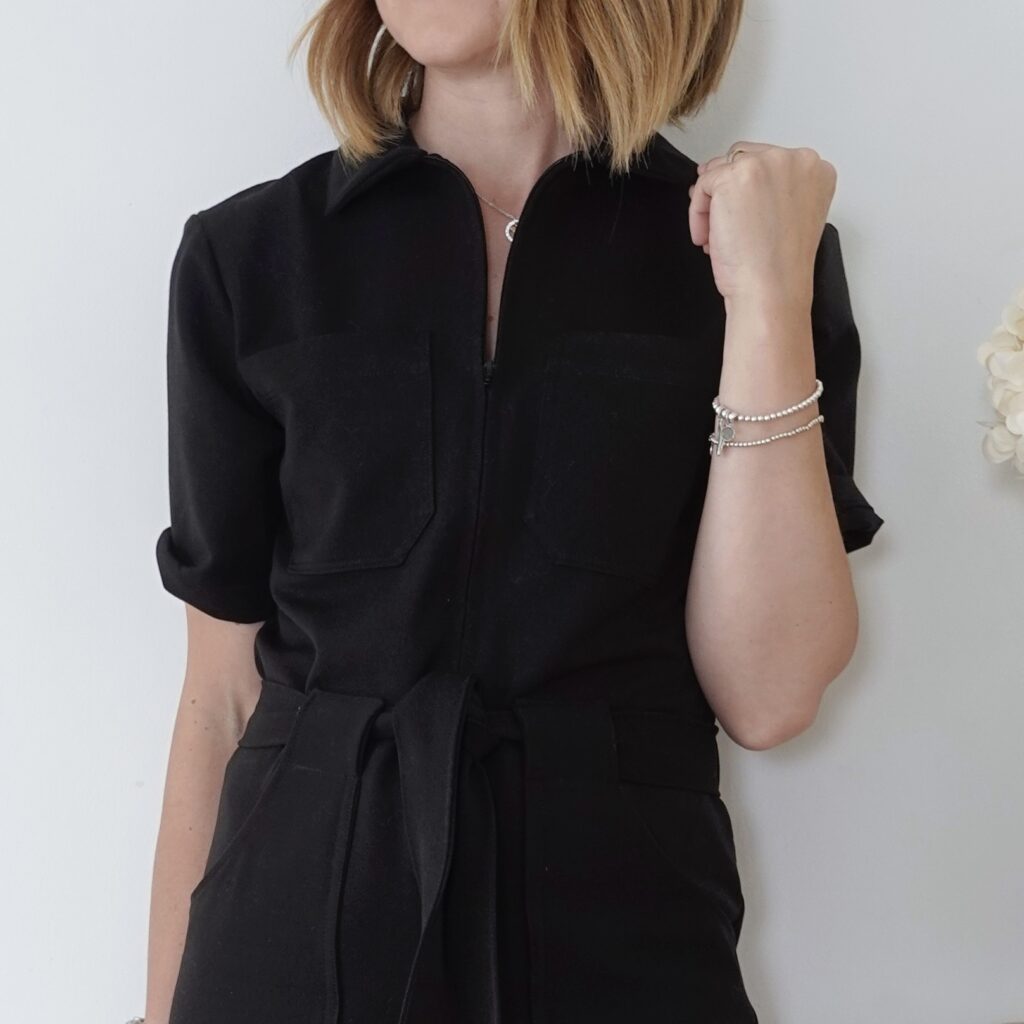
The Blanca Flight Suit by Closet Core Patterns is probably one of my absolute favourite patterns to sew — it’s one you can really get your teeth into! It’s a fitted jumpsuit with a long zip at the front, contrast details at the back, and various sleeve and leg options. Like the playsuit, a flight suit is brilliant if you don’t like thinking too much about getting dressed — just throw it on!
Sewing level: Intermediate to advanced. There are some trickier details that might not suit complete beginners.
Fabric: You need a little structure here — something that can hold its own, fit a zip neatly, and give you crisp pockets and a sharp collar. Canvas, denim, and heavy linen all work beautifully. For my two versions I’ve used a gabardine and a cotton twill, and both felt soft and easy to wear with a little stretch. I have a full shorts version sew-along on Patreon if you fancy trying that variation too!
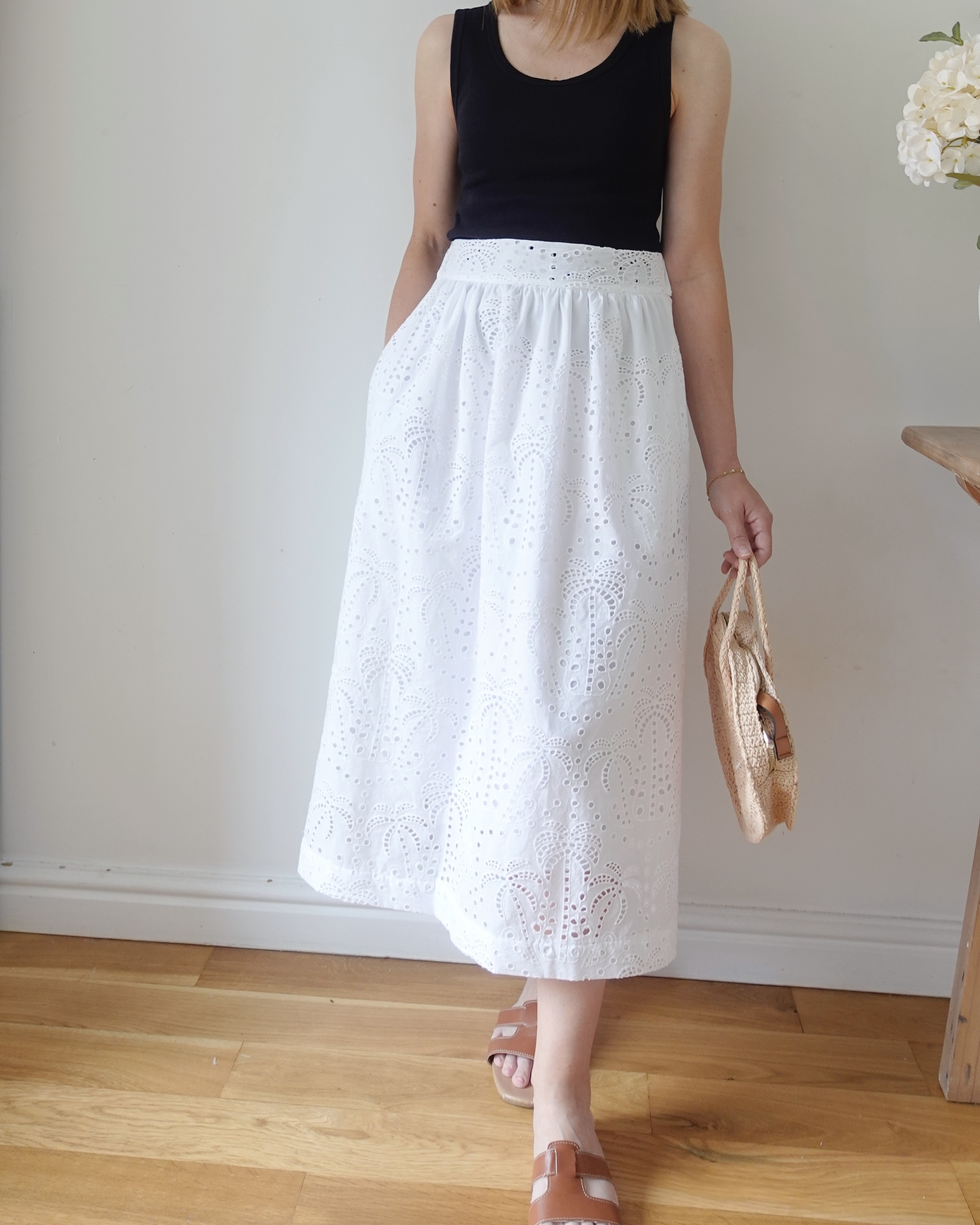
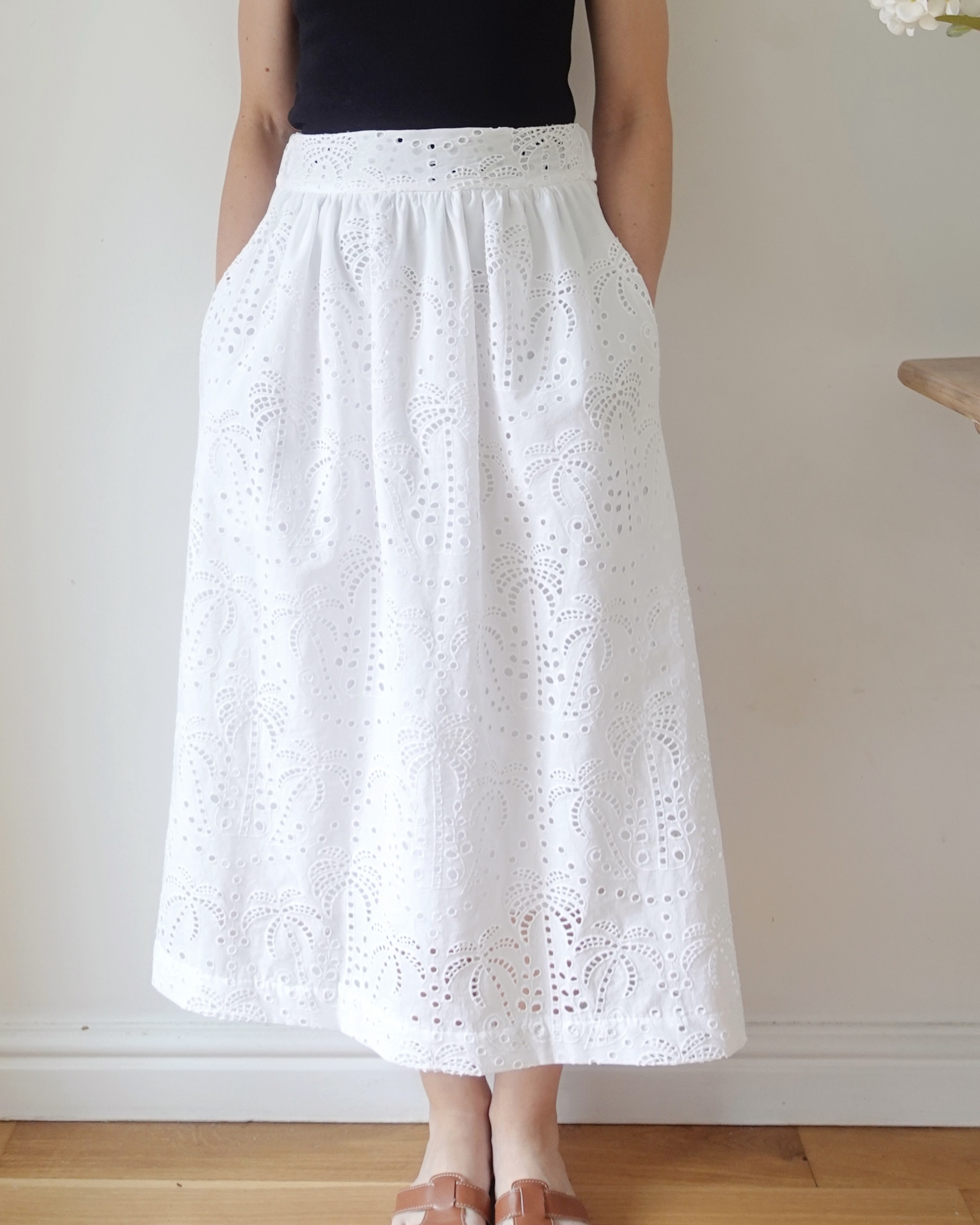
4. Gathered Elasticated Waist Skirt – My Own Tutorial!
This one is a little different because it’s actually my own tutorial from YouTube! I included it in that original Instagram post and was so delighted by the response. An easy elasticated waist gathered skirt with pockets is just such a perfect summer outfit option. Throw it on with a vest or a t-shirt and you’re done — comfortable, cool, and cute.
Sewing level: Beginner-friendly. You don’t even need a pattern — just a few body measurements and your fabric! You could also leave out the lining and pockets for an even quicker make.
Fabric: Anything goes! A floaty viscose, rayon, or crepe will give you a swishy skirt that hangs close to the body. A cotton, linen, or twill will give you a more structured, poofy skirt that stands away. Cotton is the easiest to sew so it’s a great choice if you’re a beginner working up to something more drapey.
5. The Tyra Trousers – Ploen Patterns
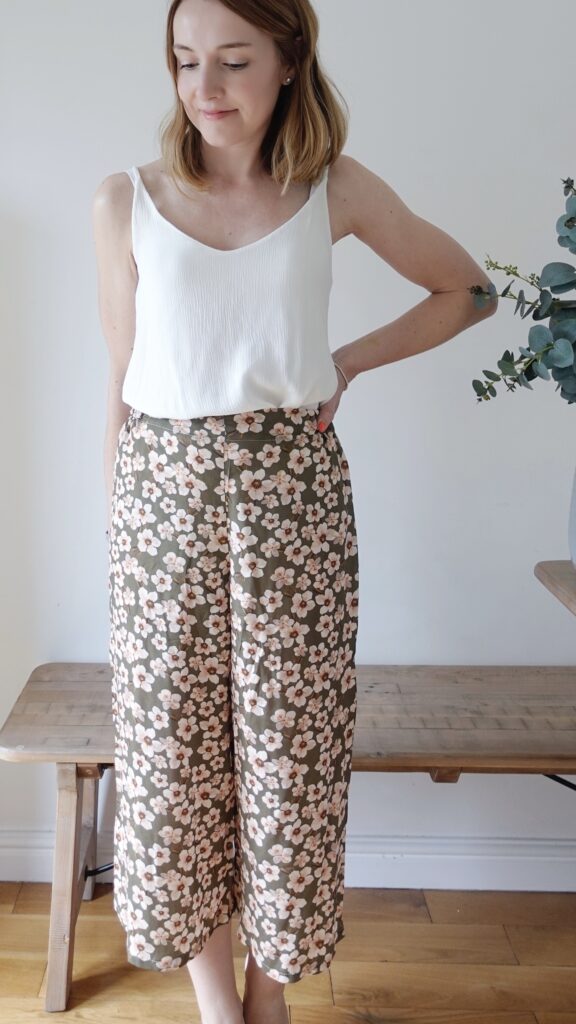
I’ll be honest — I almost feel embarrassed mentioning this pattern yet again because I talk about it so much! But I genuinely could not have a Top 10 summer sewing patterns post without including the Tyra Trousers by Ploen Patterns. I’ve sewn them more than 10 times and I’m even wearing a version in the video that runs alongside . They’re a super simple, easy-to-wear elasticated waist trouser with front pockets, available as a wide-leg palazzo or a shorter culotte style.
Sewing level: Beginner. The elasticated waist makes them easy to fit, and if you’re more experienced you can sew them in a couple of hours.
Fabric: I’ve sewn these from viscoses, linens, jersey, and even a light wool. For summer my preference is a floaty viscose or a viscose-linen blend — they feel slightly more structured and a little smarter but still have that airy, floaty feel. These trousers are the definition of secret pyjamas. When I put them on in the morning I literally feel like I’m swapping one pair of pyjamas for a smarter pair I can actually wear all day!
6. The Ashton Top – Helen’s Closet
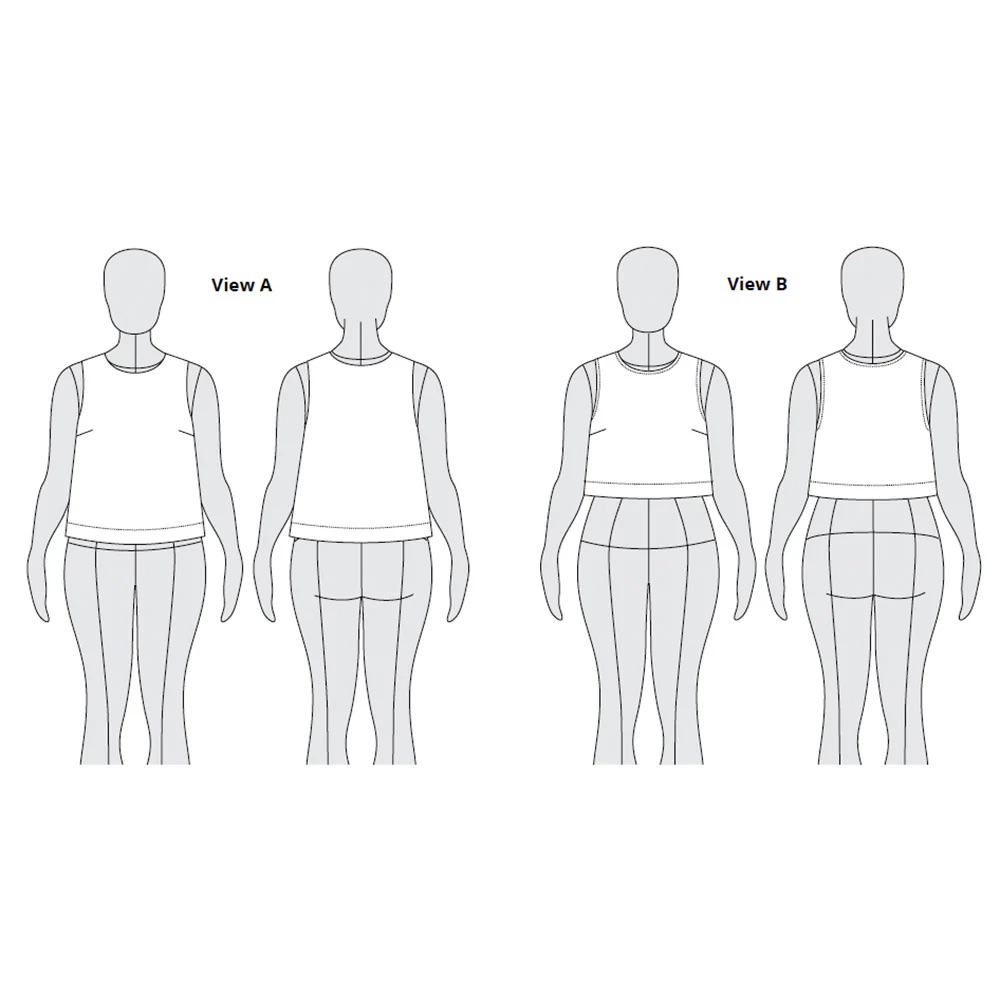
The Ashton Top by Helen’s Closet is my favourite go-to pattern for a sleeveless, cropped, boxy top — perfect for summer. It’s fitted through the bust with bust darts and gently shapes out around the waist in an A-line. My favourite version is the fully faced finish, which really emphasises the beautiful boxy shape. There’s also a sleeve add-on pack if you want to mix things up!
Sewing level: Advanced confident beginner. Some of the finishes — particularly the fully faced version — are more involved, but there are simpler bias binding options included in the pattern that make it more accessible.
Fabric: This pattern is wonderfully versatile. A fabric with structure like linen will hold the shape beautifully. A viscose gives a softer, more fluid result. I have versions in both and they look and feel completely different — both gorgeous in their own way! If you’re a beginner, start with something structured and easy to handle.
7. The Safiya Trousers – Tilly and the Buttons (Make It Simple Book)
From the same pattern set as the Safiya Playsuit (pattern number one!), the Safiya Trousers by Tilly and the Buttons are a brilliant beginner-friendly option for a sleek, easy-to-wear summer trouser. The leg is slightly narrower than the Tyra Trousers, and there are no pockets to distort the silhouette. What makes them especially beginner-friendly is that the waistband is simply turned under as part of the trouser — so there are only two pattern pieces in total!
Sewing level: Beginner (even more so than the Tyra Trousers!).
Fabric: Again, anything you love! My favourite is a viscose-linen blend which I wear as a co-ord set with my Ashton Top. The linen adds a little structure while the viscose keeps things drapey and swishy. Lovely!
Processed with VSCO with a6 preset
8. The Evelyn Skirt – Chalk and Notch
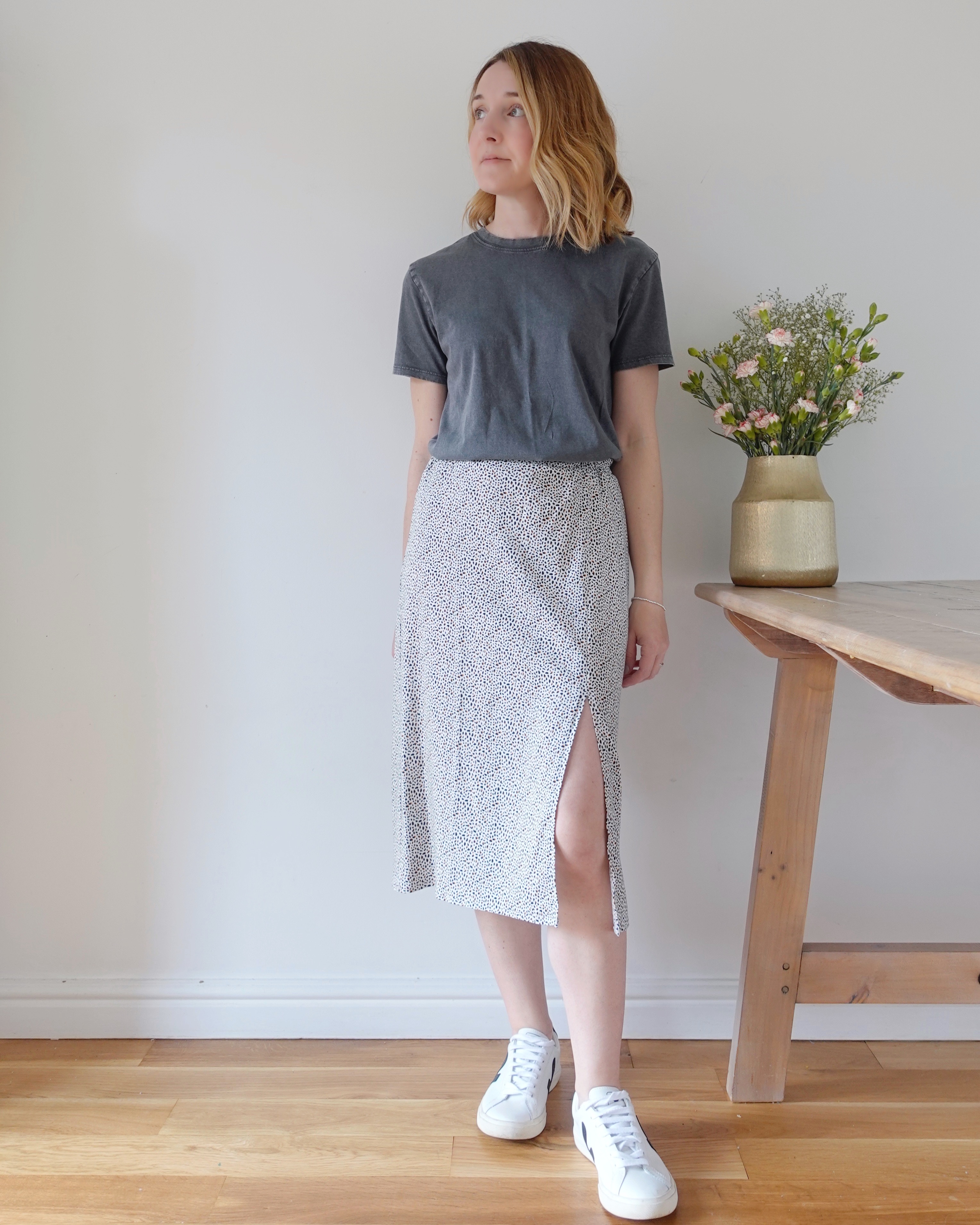
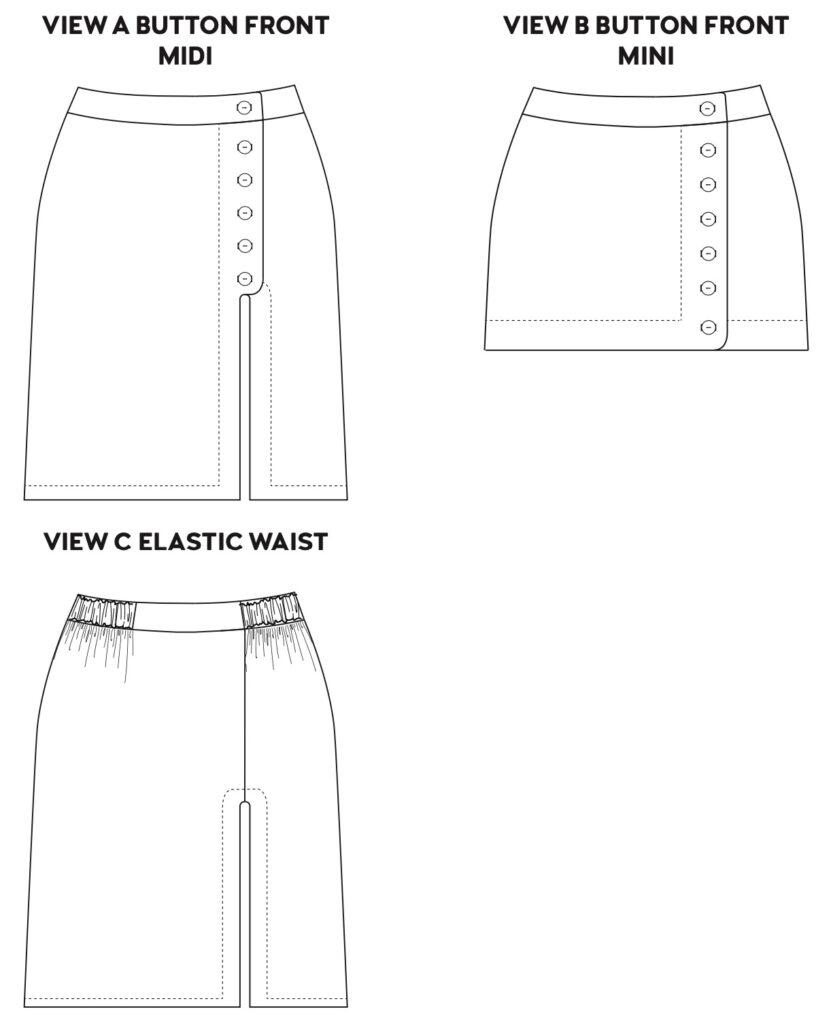
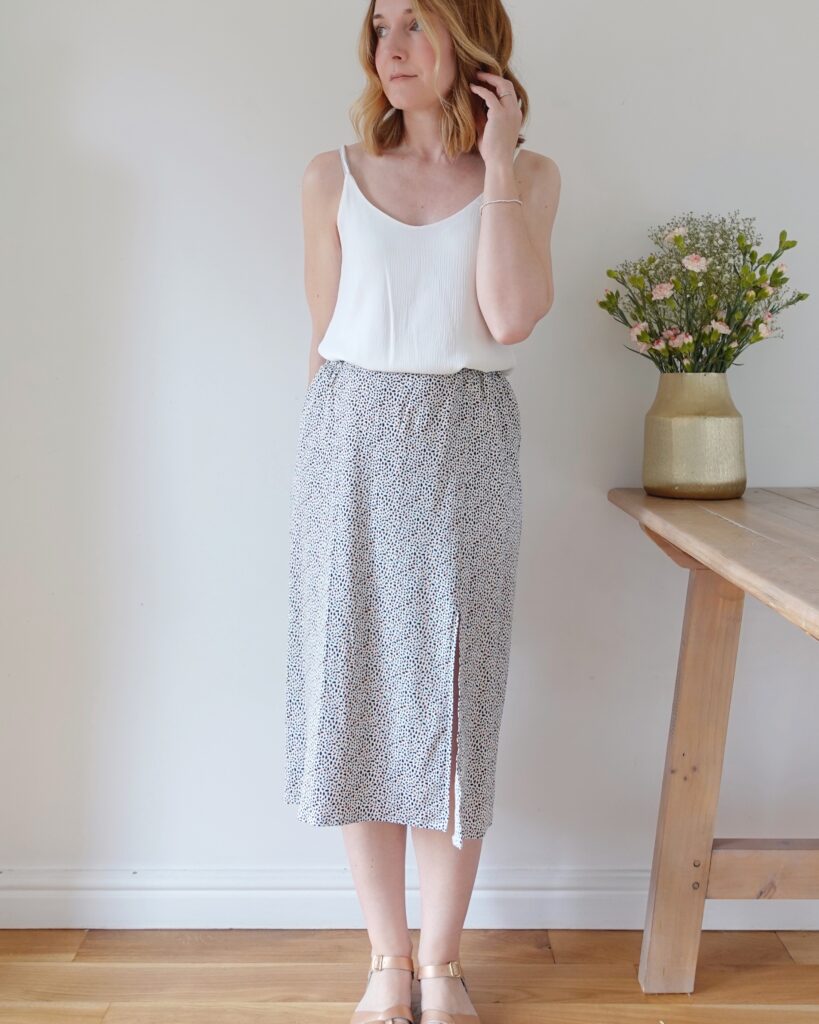
The Evelyn Skirt by Chalk and Notch is a really lovely, versatile summer skirt pattern. My favourite version is the midi length with a flat-front elasticated waist and a split in the leg — such a comfy, easy-breezy summer skirt, and a great alternative if you’re not keen on the more poofy gathered style. Because it’s straighter at the hem, I love to wear it with something oversized on top to balance out the look.
Sewing level: Beginner-friendly. No tricky fastenings, easy fit, and it sews up quickly.
Fabric: I’ve sewn mine in a floaty viscose and I’d say you do want some drape here — something too structured like a cotton poplin might feel stiff and difficult to move in. A viscose-linen blend would also be lovely. Think about how you want it to look and move before you choose!
Screenshot
9. The Ogden Cami – True Bias
A cult classic in the sewing community for good reason — the Ogden Cami by True Bias deserves its place on this list! It’s such a versatile piece for a handmade summer wardrobe, especially if you’re someone who likes to layer. Wear it on its own, under a shacket, or with any of the skirts and trousers mentioned above — it really goes with everything.
Sewing level: Confident beginner. There are a few fiddly bits like the spaghetti straps and getting the lining in, but it’s very achievable once you have a few makes under your belt. If you’re a beginner I’d recommend practising in cotton first before moving on to slippery fabrics.
Fabric: My preference is always a floaty viscose — it feels gorgeous against the skin and layers beautifully. Cotton works really nicely too, especially in the earlier stages of your Ogden-sewing journey! A cotton version will have a more structured A-line shape, while viscose gives that fluid, floaty finish.
10. The Logan Shacket – Stylearc
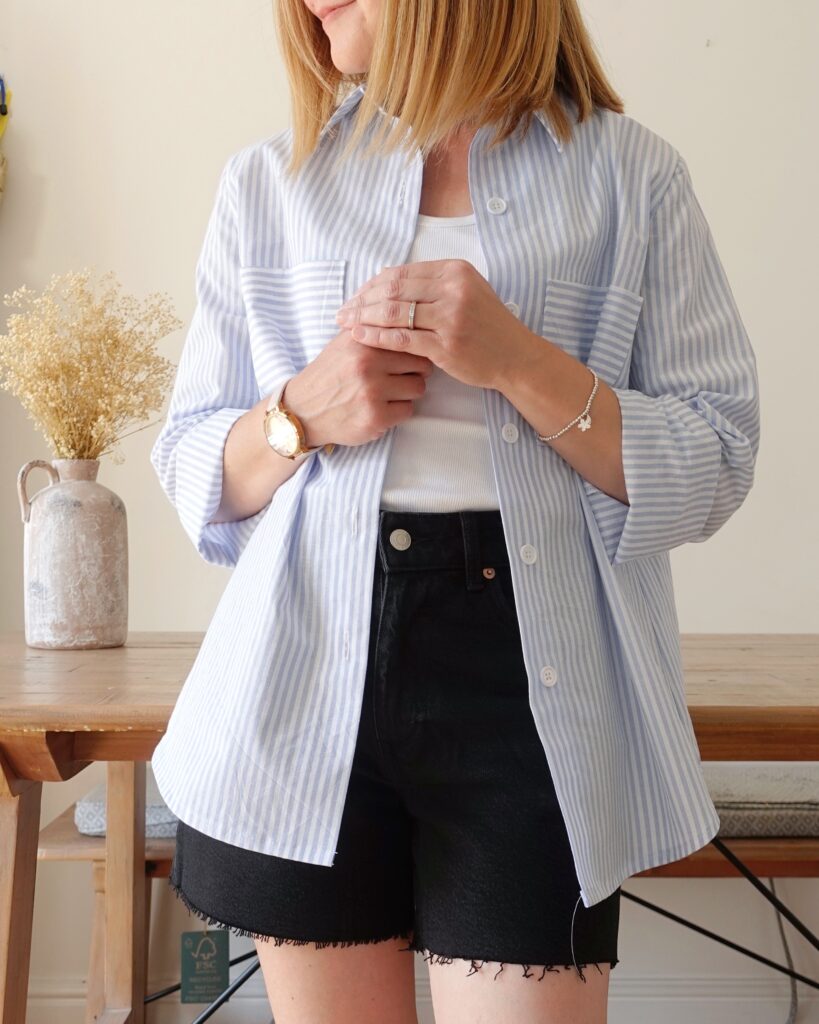
Last but definitely not least — the Logan Shacket by Stylearc. I love this pattern as much in winter as I do in summer, and in the warmer months it’s the perfect lightweight throw-over-everything shirt. It’s oversized and boxy with a back yoke, turned-under button bands, a collar on a stand, and straight sleeves — all of which make it much more approachable than a traditional tailored shirt.
Sewing level: Advanced confident beginner. Stylearc instructions are minimal but the pattern is really well drafted, and I actually sewed this when I was quite new to sewing and found it manageable.
Fabric: This works beautifully in so many fabrics — lightweight cottons, viscoses, denim, quilted fabrics, even a cotton voile. For summer I’d lean towards something lightweight. I sewed a cotton voile version last year that’s perfect for warm weather. It also makes a brilliant co-ord — I sewed a matching co-ord from this shirt and the Sophia Trousers sewn as shorts last year!
Watch the Full Video
Want to see more detail on each of these patterns (with all of the pattern links) and hear my thoughts in full? Head over to YouTube to watch the video — I go into even more depth on fabrics and styling ideas for each one!
I really hope this has given you some inspiration for your summer sewing! Let me know in the comments which of these patterns would make your top 10 — or if there’s a summer sewing pattern you love that I haven’t included, I’d love to hear about it!