Intentional Sewing

  • How to Plan a Handmade Wardrobe (So that Everything Gets Worn) – The simple system I use…

    If you’ve sewn plenty of clothes but still feel like you have nothing to wear, this post is for you. Welcome to episode three of my Intentional Sewing series!

    In the first two posts, we explored why handmade clothes often go unworn and how to choose sewing projects you’ll actually wear. Today, we’re diving into how to plan a handmade wardrobe—so your creations actually work together and get worn. This is about what to do before you buy fabric, choose a pattern, or start sewing.

    As always, I’m right here on this journey with you. I’ve moved from sewing anything and everything to slowly building a more curated handmade wardrobe that suits my life—and I’m sharing what’s worked for me in case it helps you too.

    You can watch the third YouTube video in this mini series here 👇🏻

    1. Think of Your Wardrobe as a System

    One of the biggest mindset shifts for me has been thinking of my wardrobe as a system, not just a collection of individual garments. Wardrobes work best when pieces support each other, rather than standing alone.

    Think about how your items mix and match, layer, and coordinate. When everything plays well together, getting dressed becomes easier and more joyful.

    2. Define Your Core Garments

    Your core garments are the pieces you reach for most often—the ones you wear multiple times a week without thinking.

    For me, my core looks like:

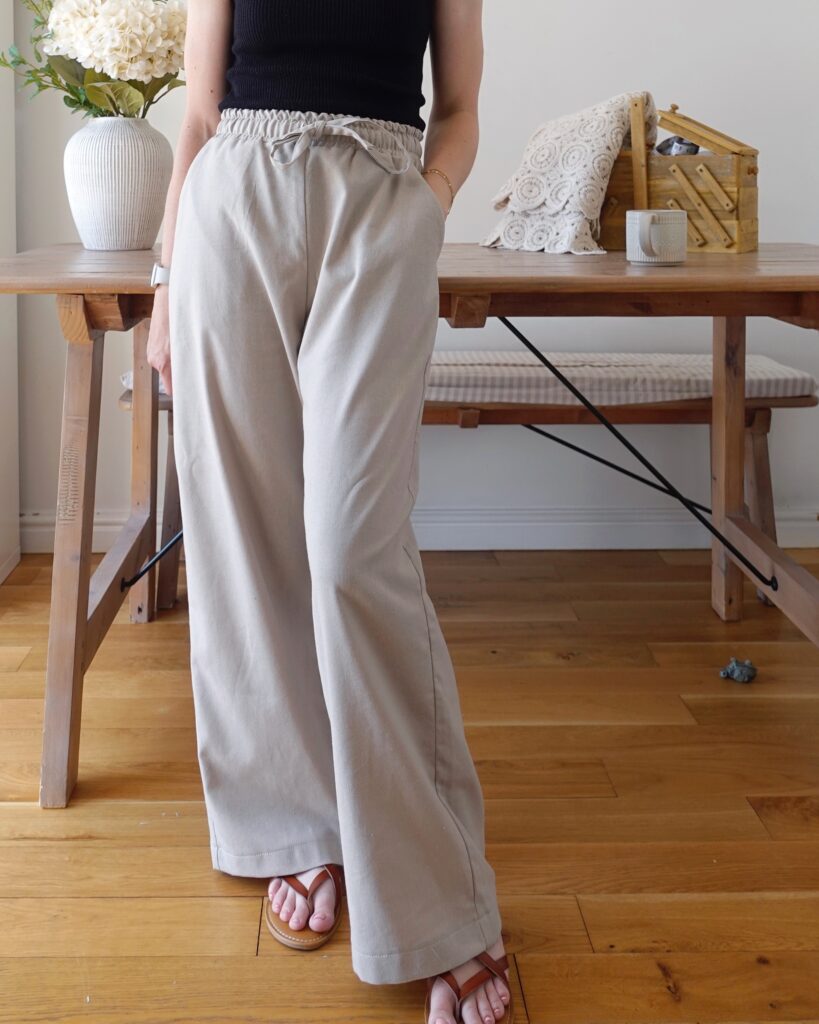
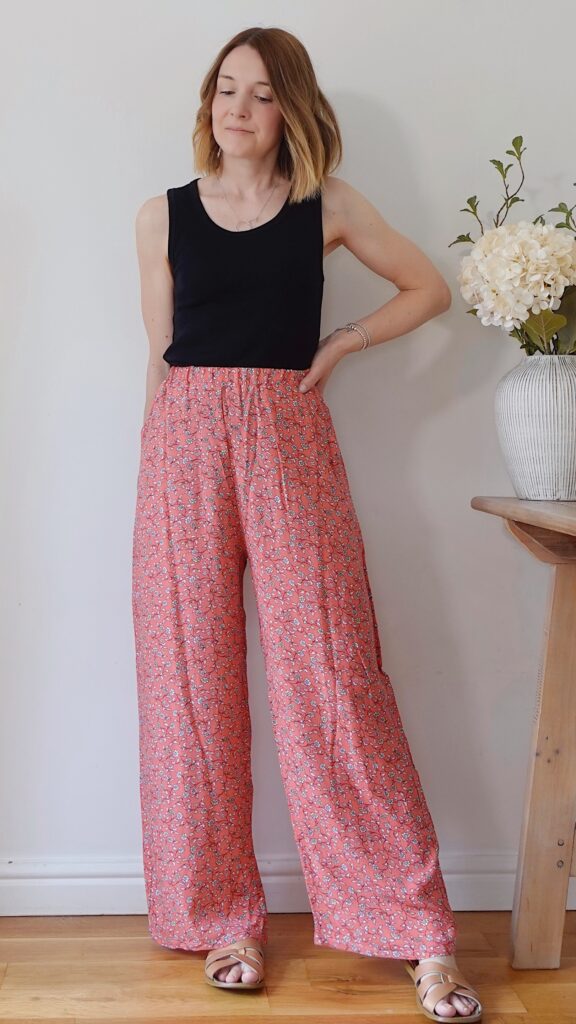
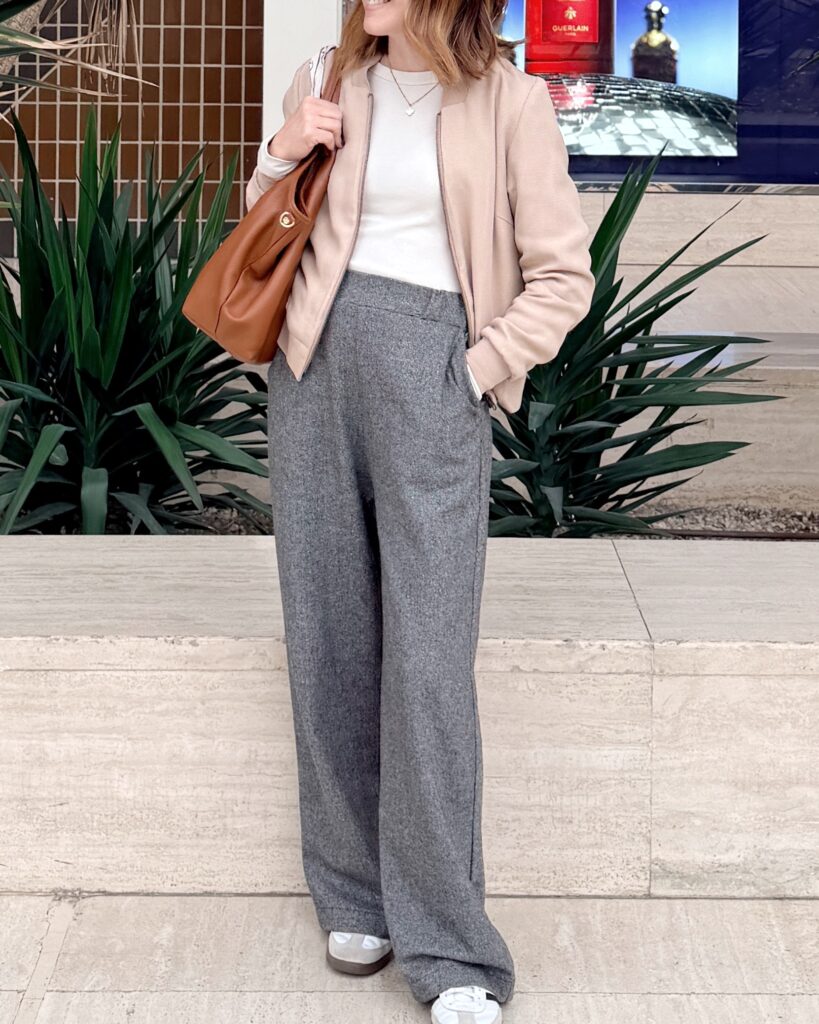
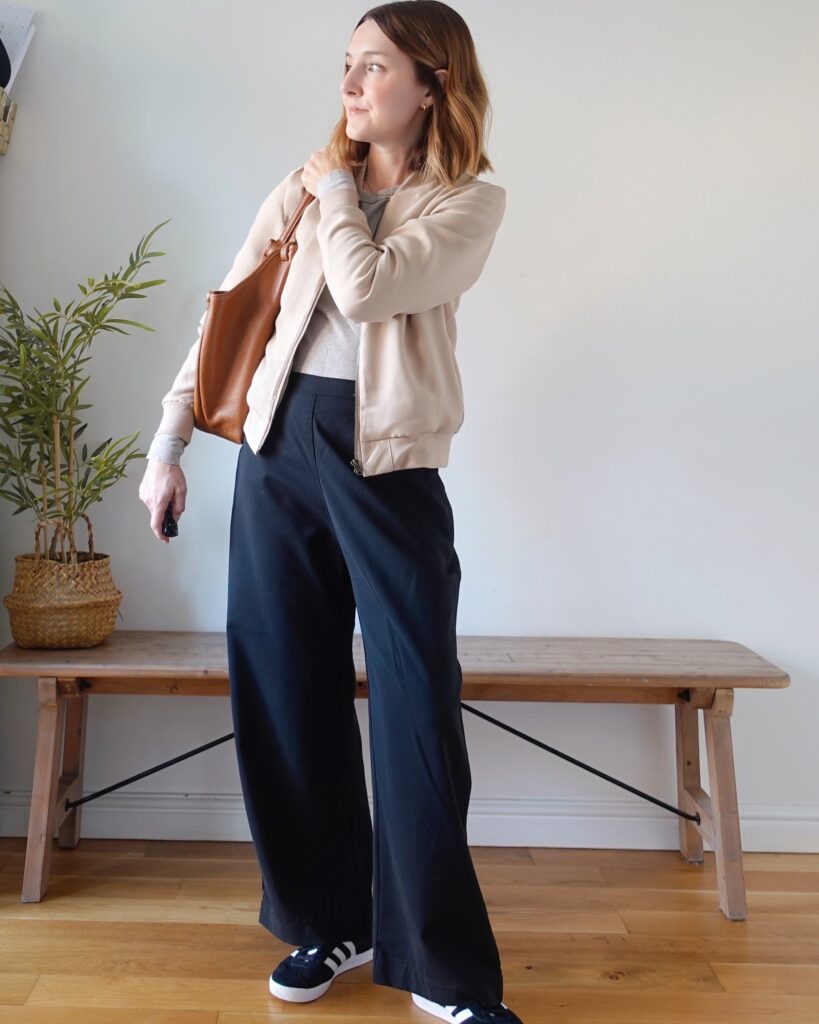
    • Wide-legged trousers and jeans
    • Lots of layering tops (I’m always cold!)
    • Knitwear pieces
    • Joggers for home and dog walks (yes, it’s slightly embarrassing!)

    I used to feel guilty making the same thing over and over. But I’ve come to realise that repetition is what makes a wardrobe work. You can then complement these core garments with supporting pieces like jackets, shirts and knitwear.

    Some of my favourite repeating pieces:

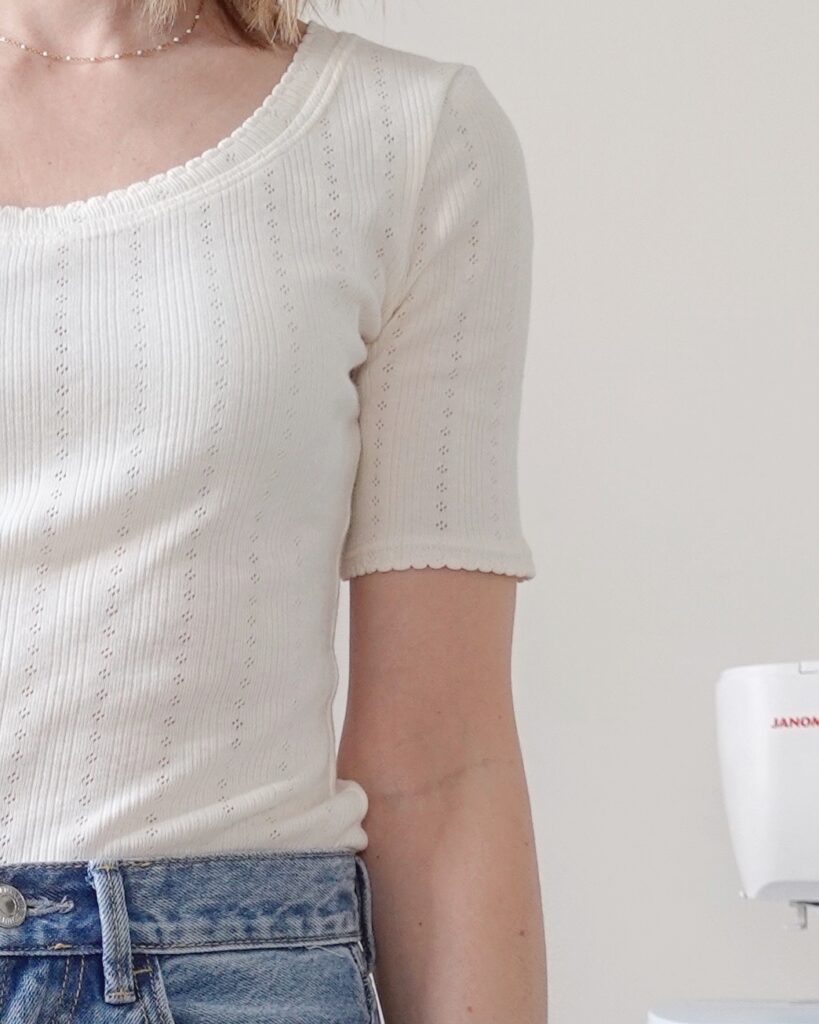
    • Agnes Top – clingy, flattering neckline, perfect for layering
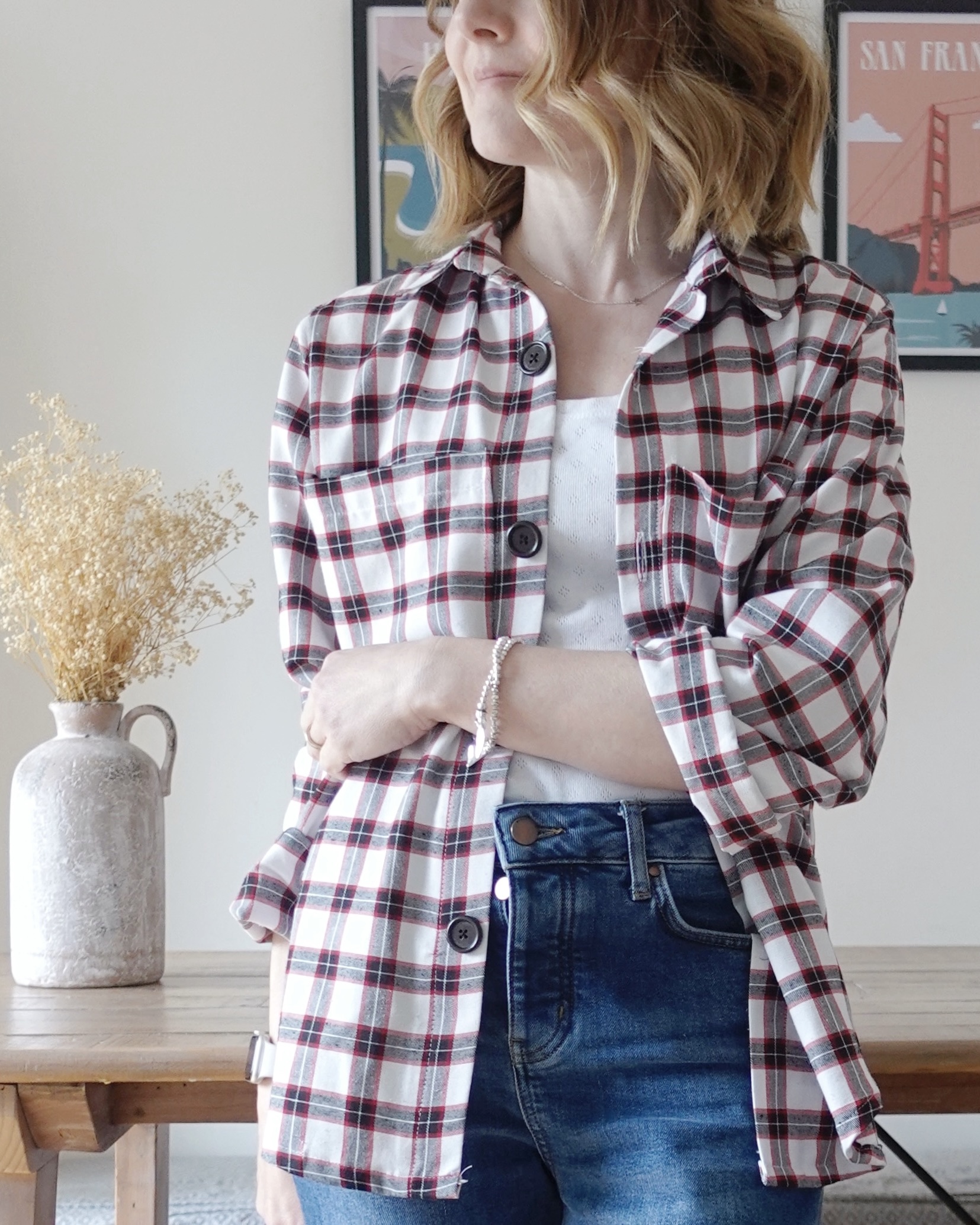
    • Logan Shacket – oversized, cozy, and layers beautifully

    Action point: If you only made 10 garments this year, what would they actually be?
    3. Choose a Limited Colour Palette

    A limited palette has transformed my wardrobe over the past few years. I wear a lot of neutrals, accented with earthy tones that work together well. Having my colour analysis done has also helped me make confident choices in what suits me best and I would highly recommend it (and that’s coming from someone who was initially highly sceptical!).

    Benefits of a limited palette:

    • Easier outfit building
    • Fewer orphan garments

    A simple way to start:

    • 1–2 neutrals
    • 2–3 main colours
    • 1 optional accent

    This isn’t permanent—you can add more colours as you discover what works for you. The surprise? It doesn’t feel boring; it feels calm. And it makes saying “no” to fabrics that won’t coordinate so much easier.

    4. Plan Before You Buy Fabric

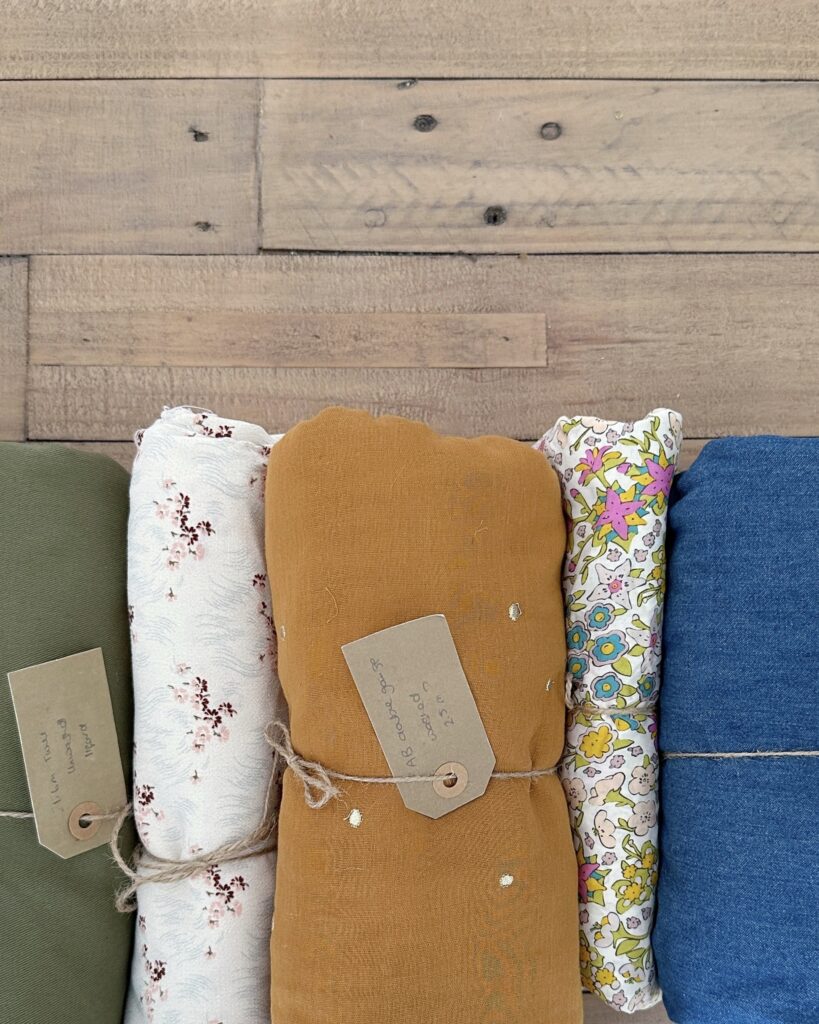
    This step alone prevents countless unworn garments. More and more these days, I ‘try’ to have a plan for each fabric purchase: I try to make sure that know the pattern and purpose before I shop.

    Ask yourself a few simple questions:

    • What will this replace (if anything)?
    • What will this support?

    This isn’t about guilt—my fabric stash is still growing—but I try more so to think of fabric as a future garment, not just a project.
    5. Leave Space for Evolution

    Planning your wardrobe doesn’t mean stripping the joy out of sewing. It’s a mindset that keeps you intentional, especially if you’re feeling overwhelmed.

    Remember: wardrobes evolve with your:

    • Lifestyle
    • Body
    • Confidence

    Seasonal check-ins are a great way to see what’s working, and remove pieces that no longer serve you—without guilt.

    Need a Little Extra Help?

    If you want help planning your own handmade wardrobe, I have a wardrobe planner and extra resources on this topic over on Patreon. These tools make it simple to take what you’ve learned here and start building a wardrobe that works for your life, your style, and your sewing goals.

    Wrapping Up the Series

    If you’ve been following along with all three parts of the Intentional Sewing series, I hope you now have the tools to help you to sew a wardrobe you love.

    Here’s a recap of all the episodes in case you missed any. You can catch them all in this YouTube playlist too:

    1. Why You Never Wear Your Handmade Clothes
    2. How to Choose Sewing Projects You’ll Actually Wear
    3. How to Plan a Handmade Wardrobe

    Here’s a question for you: What’s one garment your wardrobe really needs right now? Let me know in the comments…

    I’d love to know what you thought of this ‘Intentional Sewing’ mini-series. Let me know if you’d like to see more of this style.

    Thanks so much for reading! Happy sewing…

    Sally xxx

    Want to save this for later?
    Pin this guide to your sewing or handmade wardrobe board on Pinterest so you can come back to it when planning your next project.
  • How to Choose Sewing Projects You’ll Actually Wear!

    –Practical tips for intentionally sewing a handmade wardrobe you’ll love to wear–

    This week, I’m talking about something every sewist struggles with at some point: how to choose sewing projects that you’ll actually wear — not just finish. Too many of us end up with a wardrobe full of beautiful handmade clothes we never put on. I’ve been there too, and this guide is a gentle, practical way to rethink how you choose projects so your handmade wardrobe actually gets worn.

    If you prefer watching to reading, you can watch the full video below — and don’t forget that as a member of my Patreon, you’ll always get a little bit extra and so I’ve created a printable ‘Intentional Sewing Project Picker’ worksheet to help you work through this step-by-step.

    This is episode two in my ‘Intentional Sewing’ mini series. You can watch the rest of the series here and read the previous blog post here.

    Why Most Unworn Makes Happen

    A lot of unworn handmade garments, I believe, come from project-led sewing instead of wardrobe-led sewing. Project-led sewing means picking something just because the pattern or fabric is pretty, rather than because it fits your life. Wardrobe-led sewing is different — it starts with your real daily needs and builds a wardrobe that works for you.

    Remember: A successful garment isn’t just only one you’ve finished, it’s one you’ll actually wear!

    Here are a few action points that I find helpful to think through before planning my own sewing makes.

    1. Start with your real life

    Before you start planning your next make, ask yourself: what does a typical week look like for me?

    • What do I actually wear on a normal weekday?
    • What’s my climate and lifestyle like?
    • What comfort needs do I have?

    Not the “dream outfit” version — the “what I actually reach for on a random Monday” version.

    Getting honest about this helps you spot where a sewing idea will fit into your wardrobe — and where it won’t.

    2. Audit what you already wear

    One of the most helpful things you can do is take a quick inventory of your most-worn garments, whether you made them or bought them. Pick your FIVE most worn garemnts and ask yourself:

    • What silhouettes show up again and again in my favourite and most worn garments/outfits?
    • What fabrics feel best against my skin and get worn the most?
    • Which colours do I gravitate toward?
    • Do I prefer or feel more confident in relaxed or fitted shapes and silhouettes?

    This repetition in your clothing isn’t boring — it’s valuable information. Those recurring patterns and fabrics are your blueprint for future successful makes.

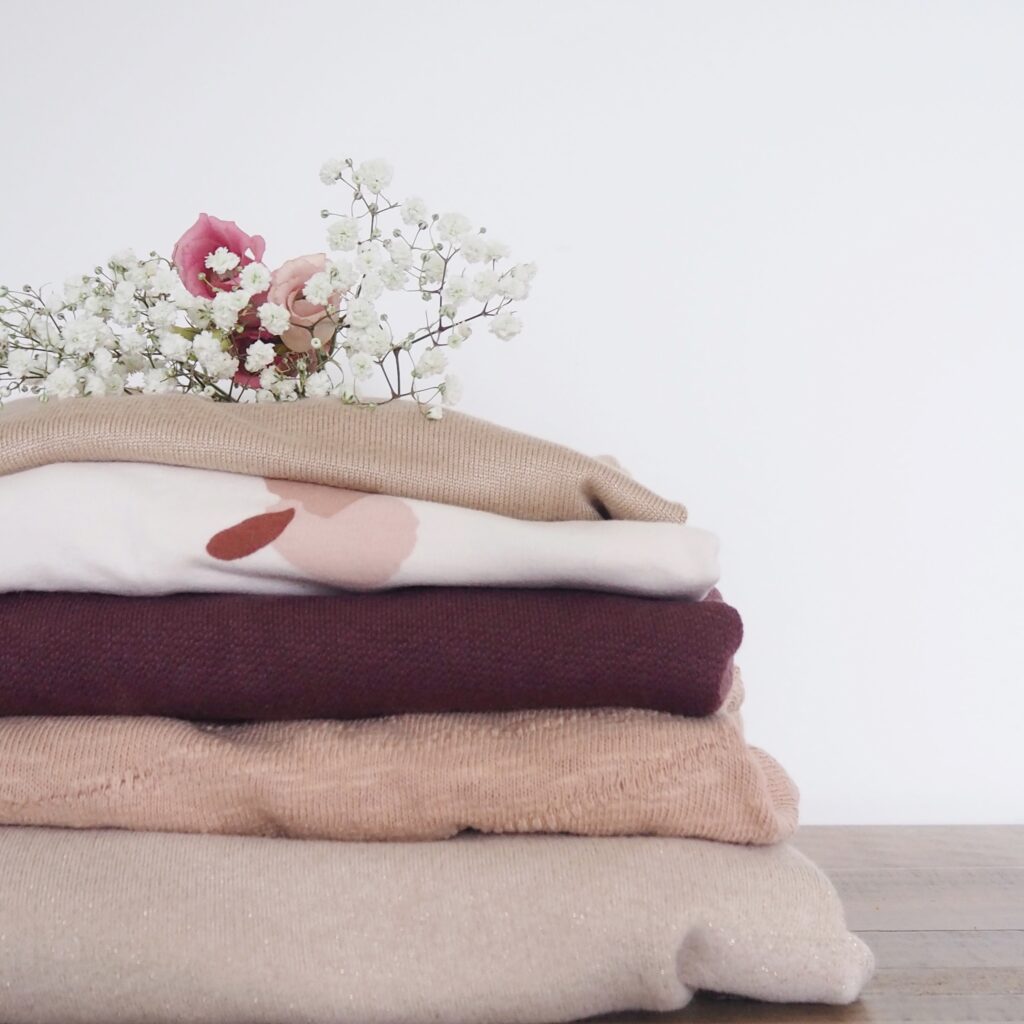
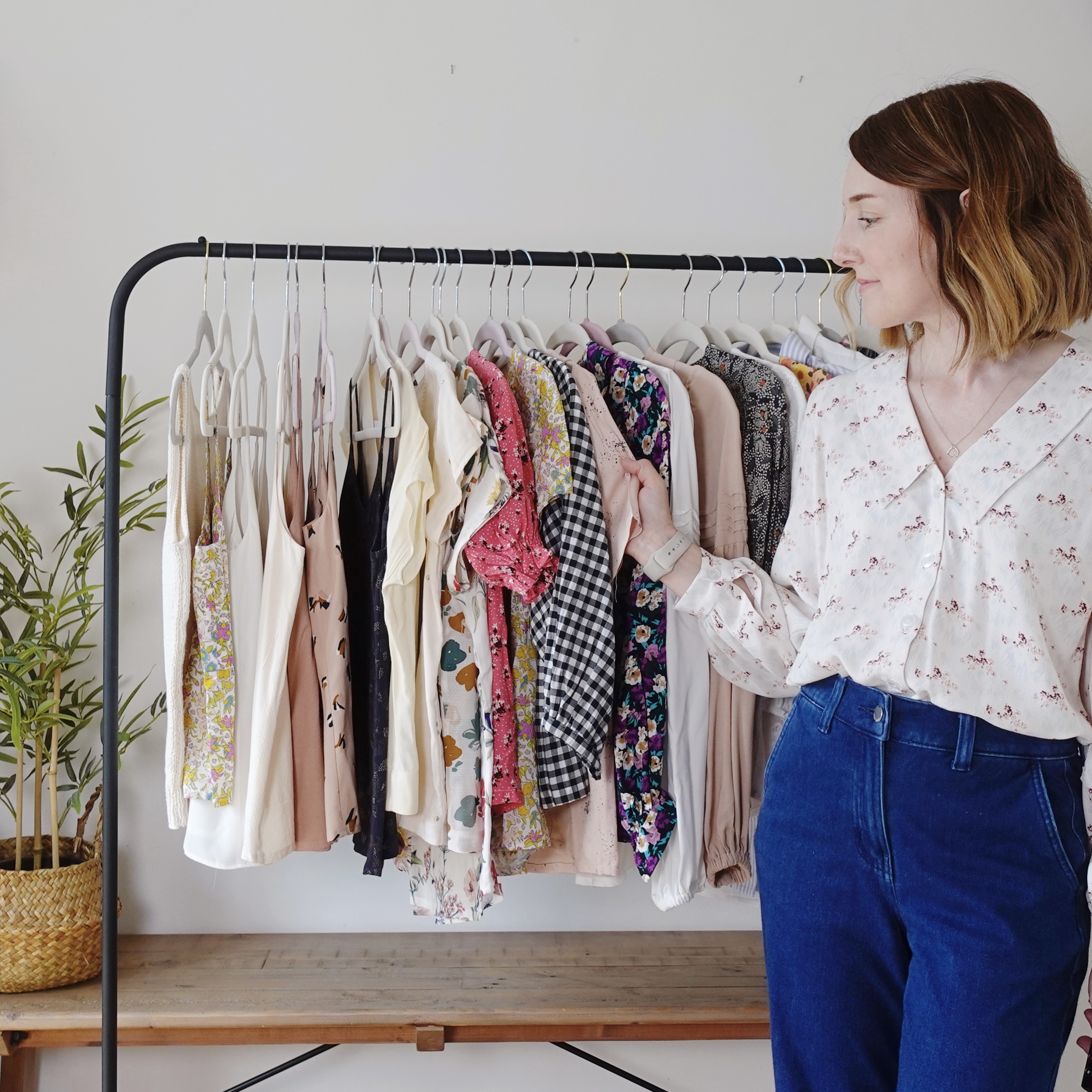
    Organised handmade wardrobe as a result of intentional sewing

    3. Choose patterns that repeat what’s already working

    When you find a sewing pattern you love and know works for you, there’s nothing wrong with making it again — and again. Sometimes just changing the fabric or a sleeve style, for example, will give you a whole new feel while still working in your wardrobe.

    If you’ve been with me for a while, you’ll know that I’m a big fan of this approach! One of my favourite patterns is the Tyra Trousers by Ploen Patterns, I have multiple different versions which look and feel different but they all work because the basic fit, shape and style of the trousers work for me and my own personal style.

    Repeat patterns =
    ✔ less decision fatigue
    ✔ more clothes you actually wear
    ✔ a wardrobe that feels cohesive

    You don’t have to sew something brand new every time. Familiar, dependable patterns with a few tweaks and changes, can be your best friends.

    4. Match fabric to your lifestyle (not just your pattern)

    Fabric choice has a huge impact on whether a garment gets worn: comfort, durability, care needs, and how it behaves (wrinkles? stretch?) all matter.

    Before you buy or cut ask yourself:

    • Can you wash and care for this fabric easily?
    • Will it feel comfortable to wear all day long?
    • Will it crease in a way that frustrates you (especially poignant if you hate to iron)?
    • Does it suit how you move throughout your day?

    Even a beautiful fabric won’t get worn if it means too much ironing or if it feels stiff and uncomfortable to wear.

    5. Do the “Three-Outfit Test”

    Before you cut your fabric, imagine three outfits you could put together with your planned new garment using clothes you already own. If you can’t style it in at least three ways, it might not integrate into your wardrobe yet.

    This simple test prevents “orphan garments” — pieces that just never get worn because you’ve nothing to wear or style them with.

    6. Some thoughts to close…

    Intentional sewing isn’t about removing all the fun — it’s about making choices that reduce overwhelm and clutter. You can still enjoy trends, seasonal plans, and creativity (I certainly still do) — but taking time to think through these questions before I start to sew helps me to plan my new projects with intention – and not just start sewing on a whim!

    Get the Printable Worksheet (Patreon!) 🎉

    To help you put this into practice, I’ve created a printable “Intentional Sewing Project Picker” worksheet that walks you through all the steps above — from mindset check to decision time.

    Next Up: Wardrobe Planning

    In the next video (and blog post), I’ll show you how to plan a handmade wardrobe so that everything you sew works together, without sewing more than you actually need. Stay tuned!


    Did you enjoy this post? Let me know what topics you’d like next — capsule wardrobes, fabric choice deep dives, or pattern recommendations!✂️🧵

    Happy sewing!

    Sally xx

    Want to save this for later?
    Pin this guide to your sewing or handmade wardrobe board on Pinterest so you can come back to it when planning your next project.
  • Why Your Handmade Clothes Aren’t Getting Worn (And What to Do About It)

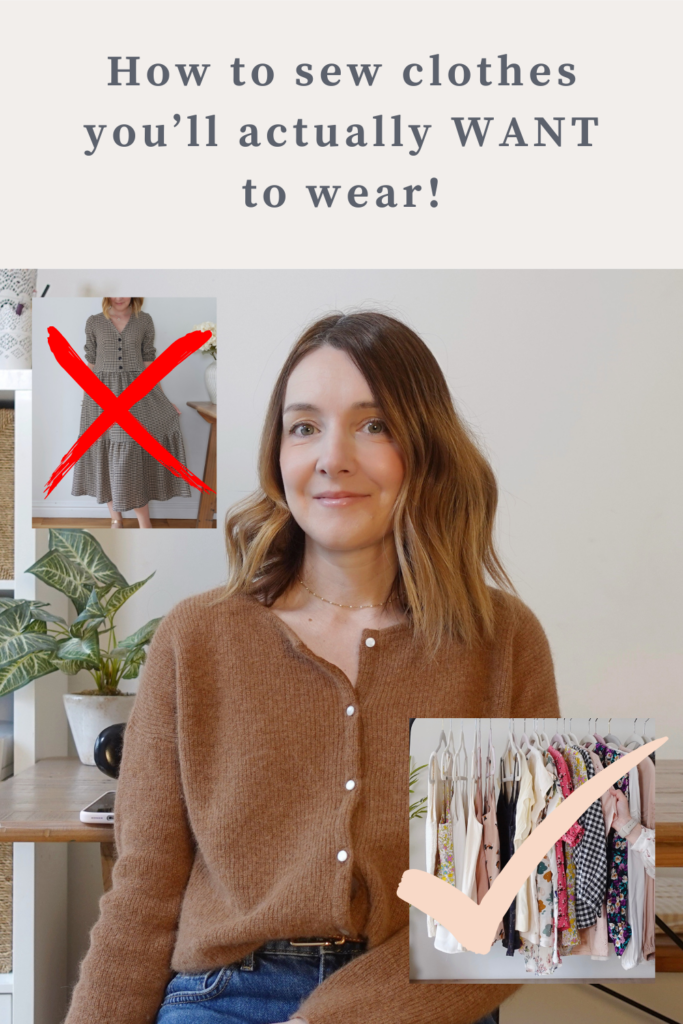
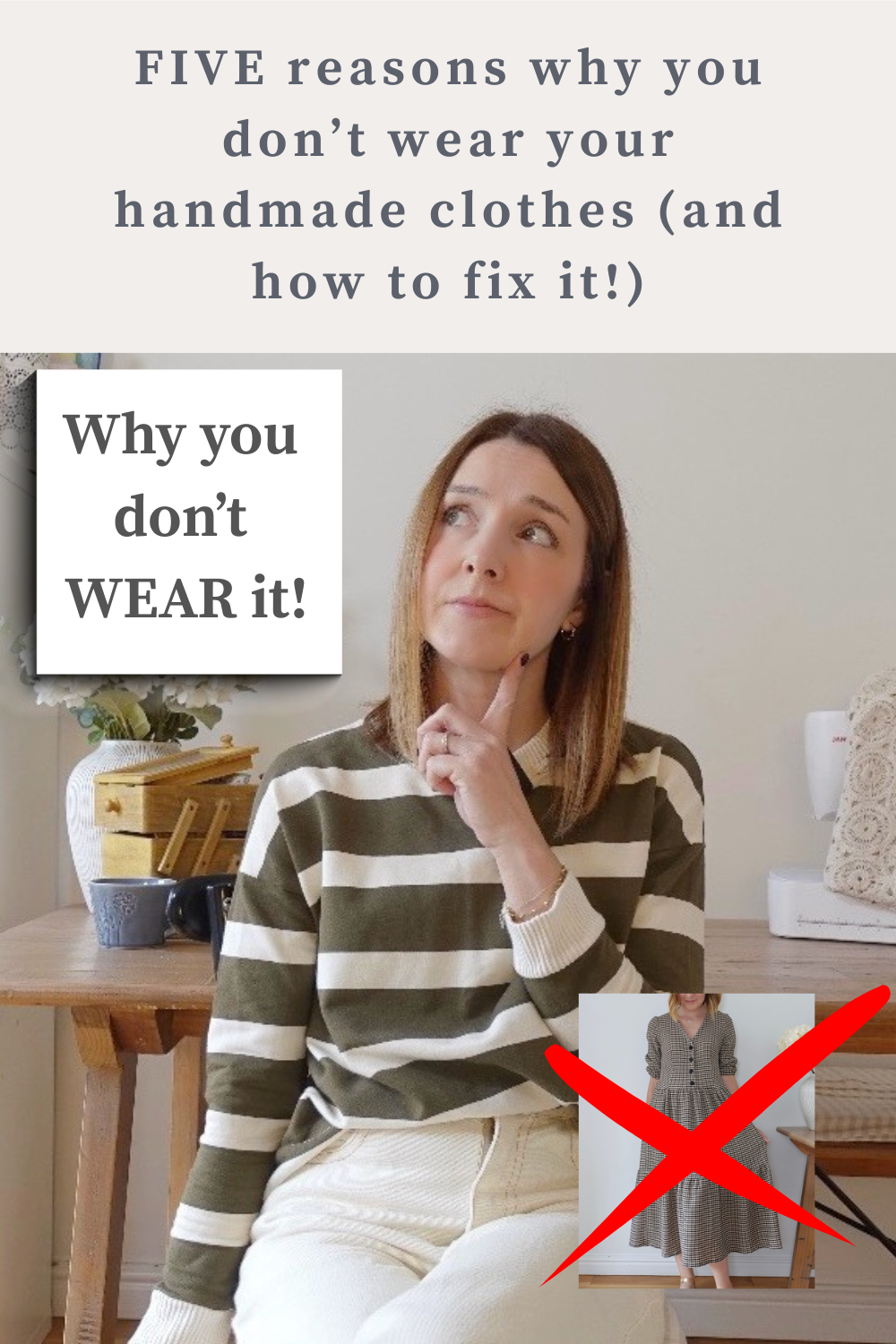
    Have you ever finished sewing a beautiful garment — only for it to quietly collect dust in your wardrobe? If so, you’re not alone and I’ve been there too more frequently than I’d like to admit. Many sewists find themselves with clothes they love making but never actually wear. In today’s blog post (and in my latest YouTube video), I’m breaking down the real reasons this happens — and, most importantly, what you can do to fix it.

    In my opinion, there are five reasons why your handmade garments aren’t getting worn and these are as follows:

    1. You’re sewing for the ‘idea’ and not your lifestyle

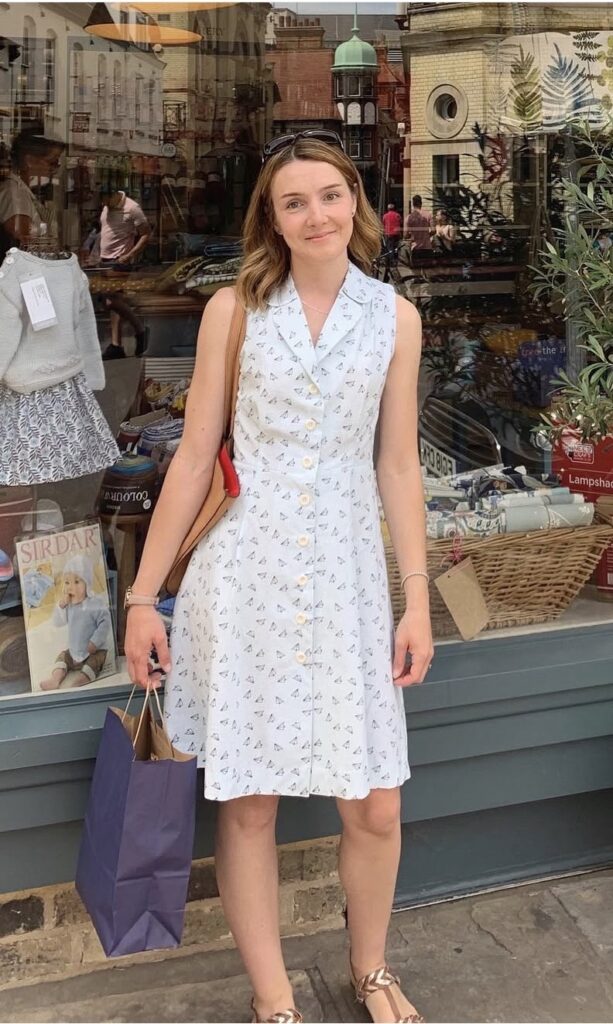
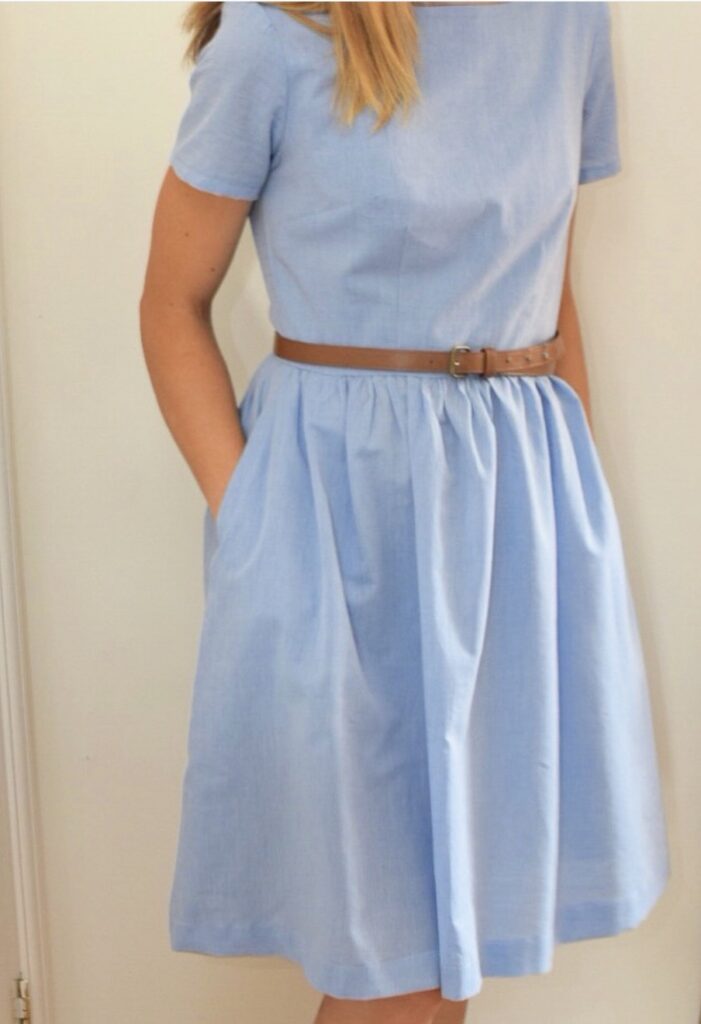
    Those vintage style dresses might look beautiful and be fun to sew, but if you’re a busy mum running around after small children and spending most of your time at home or out in the park, those dresses might not be practical for the season of life you’re currently in (I speak highly from experience here as this was me in the early days of my sewing).

    2. Ignoring or rushing through fit issues

    This is a tricky one isn’t it because, lets face it, getting the right fit is hard and it can be tempting to just brush over the fact that the shoulders feel a little tight in that dress or that top is pulling over the bust. We – and I very much include myself in this – would much rather rush through to the end and get the satisfaction of sewing and finishing a garment. Unfortunately though, it doesn’t take long for that garment to also start to gather dust in the wardrobe when after a couple of wears we really actually we feel completely uncomfortable and would rather change into something ready to wear!

    3. The wrong fabric choice

    I’ve spoken a lot recently about how I’m trying to change my relationship with buying fabric. Learning about the types of fabric that I love to wear has been a real game changer for me. I have thrown out, passed on or donated far too many handmade garments that I have not wanted to wear because I don’t like the fabric on me. I’ve learned over time that I hate to feel restricted in any way so crisp cotton shirts and dresses, most often aren’t for me. Instead I’ll opt for viscoses, rayons and twills which are softer and have more movement and likewise when it comes to jersey and knits, I’ll spend a little more on good quality fibres, knowing that in the long term the cost per wear will work out better.

    4. Sewing too quickly or skipping steps

    Please don’t judge me when I tell you that as a beginner, I would actively skips the steps of a pattern because I didn’t understand the purpose of the technique or the longevity that just taking that little bit longer to sew something would give a garment. Some embarrassing examples might be, skipping understitching resulting in a facing that just would not stay to the inside of a garment or not taking the time to wait for a hem to drop overnight and rushing to finish. Please let me know in the comments if you were the same – I don’t want to feel alone here!

    5. You’re missing the intention

    Intention for me looks like asking myself why do I want to sew this garment? Is it because it will teach me a new skill or technique, is it a garment or garment type that is currently lacking in my wardrobe and by making it I’m going to open up a whole range of other outfits I can put together. Is it because it will keep me warm on my dog walks or comfortable but put together on my work at home days when at the moment I’m just working in my scruffs (also me).  And just so that you don’t think I’m trying to rip all the fun out of your sewing, is it just because you love the look of the pattern, or the garment or you want to make use of a particular fabric and that’s ok too (as long as the fabric fits in with point three and you’re actually going to wear it of course!)

    So, how do we change this potential cycle that we might find ourselves in of having a handmade wardrobe full to bursting but not actually wearing any of it??

    Here are some things that have helped me to intentionally sew a handmade wardrobe that I love to wear:

    Sewing with wardrobe gaps in mind…

    Regularly take stock of your wardrobe, see what you’re wearing and what you’re not (I do this with my ready to wear and handmade clothing). While you’re sorting, experiment with putting a few outfits together and taking photos of them on your phone so that you can refer back to them when you feel uninspired. If there’s a make or a garment that isn’t being worn, ask yourself why. Is it because you have nothing to wear it with (and that’s where the wardrobe gap sewing comes in). Is it because it feels uncomfortable to wear – a fit problem. Is it because you hate the fabric or the colour or the pattern and completely regret choosing it, I know I’ve had a few of those. If the reason for not wearing is the latter – remove it from your wardrobe and pass on to someone who can benefit from it or reuse the fabric if you can. One of the most uninspiring things in my opinion is having a wardrobe that you’re not only not wearing but that makes you feel guilty every time you open the doors.

    Sewing fewer projects but with better outcomes…

    This is also something I’ve taken on in my own sewing life over the past couple of years and it’s worked wonders for creating a wardrobe I love. I’m really thinking quality over quantity where fabric is concerned. I would much rather these days, invest in a quality fabric that I know I’ll love to wear than buy lots of sub standard fabrics resulting in more garments but less that I’ll actually get the wear out of.  Likewise slowing down and enjoying the process of sewing the garment, particularly if you’re using a beautiful fabric, making sure to be present and enjoy the techniques, even the ones that feel more boring than others. Slow down and enjoy all the parts of sewing yourself something well fitting and beautiful and that will last rather than rushing to churn out garment after garment. In my experience too, the garments that I’ve really taken my time over and put my best into are often again the ones I most love to wear and feel good in.

    Letting each project inform the next…

    Every time we sew something, we’re given really useful information. We learn about fit — where we like ease, where we don’t, and how much shaping we enjoy. We discover which necklines we actually like wearing. Each make also teaches us about fabric: what feels comfortable, what creases too much and makes us dread ironing, or what feels too stiff to enjoy.

    Our garments even teach us about how we like to sew — the techniques we enjoy most, and whether we prefer quick, simple projects or slower, more thoughtful sewing that challenges us. When we ignore all of this information, we often end up repeating the same frustrations.

    So, to close…

    All of what I’ve said today is intended as a growth mindset for sewing an intentional handmade wardrobe. When you’re starting out in sewing it’s normal, and educational, to want to sew all of the things and actually that’s fine because that’s how you learn not only in terms of learning sewing techniques and skills but also about what does and doesn’t work for you.

    Head over to my Patreon to download by ’Handmade Capsule Wardrobe Planner‘ plus more behind the scenes videos, sew-alongs and tutorials and stay tuned because I’ll have more coming up on YouTube on this topic over the next few weeks!

    Thanks you for reading and happy sewing!

    Sally xxx

    Want to save this for later?
    Pin this guide to your sewing or handmade wardrobe board on Pinterest so you can come back to it when planning your next project.