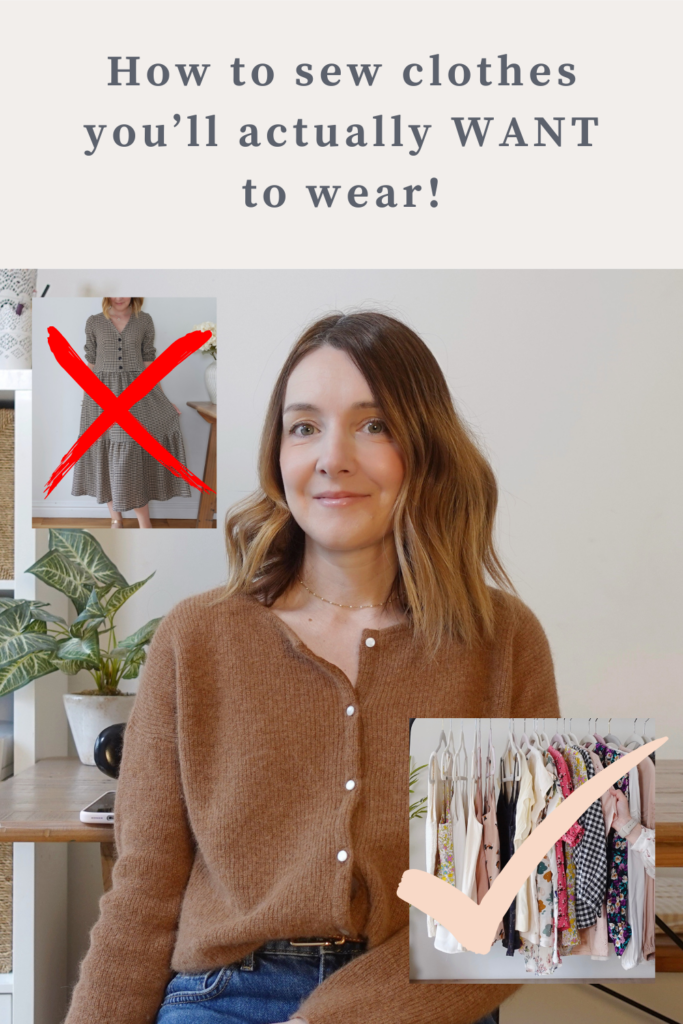
–Practical tips for intentionally sewing a handmade wardrobe you’ll love to wear–
This week, I’m talking about something every sewist struggles with at some point: how to choose sewing projects that you’ll actually wear — not just finish. Too many of us end up with a wardrobe full of beautiful handmade clothes we never put on. I’ve been there too, and this guide is a gentle, practical way to rethink how you choose projects so your handmade wardrobe actually gets worn.
If you prefer watching to reading, you can watch the full video below — and don’t forget that as a member of my Patreon, you’ll always get a little bit extra and so I’ve created a printable ‘Intentional Sewing Project Picker’ worksheet to help you work through this step-by-step.
This is episode two in my ‘Intentional Sewing’ mini series. You can watch the rest of the series here and read the previous blog post here.
Why Most Unworn Makes Happen
A lot of unworn handmade garments, I believe, come from project-led sewing instead of wardrobe-led sewing. Project-led sewing means picking something just because the pattern or fabric is pretty, rather than because it fits your life. Wardrobe-led sewing is different — it starts with your real daily needs and builds a wardrobe that works for you.
Remember: A successful garment isn’t just only one you’ve finished, it’s one you’ll actually wear!
Here are a few action points that I find helpful to think through before planning my own sewing makes.
1. Start with your real life
Before you start planning your next make, ask yourself: what does a typical week look like for me?
- What do I actually wear on a normal weekday?
- What’s my climate and lifestyle like?
- What comfort needs do I have?
Not the “dream outfit” version — the “what I actually reach for on a random Monday” version.
Getting honest about this helps you spot where a sewing idea will fit into your wardrobe — and where it won’t.
2. Audit what you already wear
One of the most helpful things you can do is take a quick inventory of your most-worn garments, whether you made them or bought them. Pick your FIVE most worn garemnts and ask yourself:
- What silhouettes show up again and again in my favourite and most worn garments/outfits?
- What fabrics feel best against my skin and get worn the most?
- Which colours do I gravitate toward?
- Do I prefer or feel more confident in relaxed or fitted shapes and silhouettes?
This repetition in your clothing isn’t boring — it’s valuable information. Those recurring patterns and fabrics are your blueprint for future successful makes.
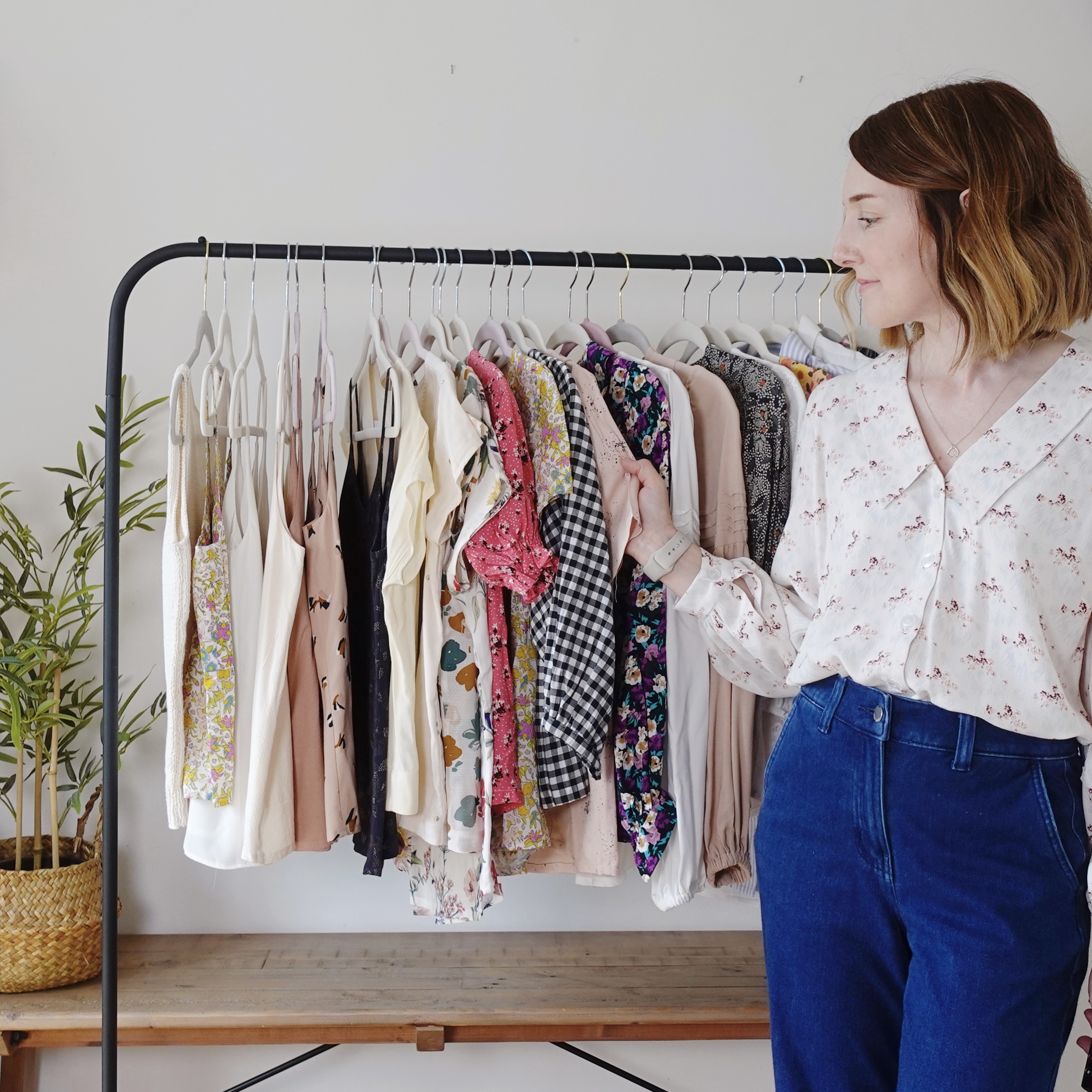
3. Choose patterns that repeat what’s already working
When you find a sewing pattern you love and know works for you, there’s nothing wrong with making it again — and again. Sometimes just changing the fabric or a sleeve style, for example, will give you a whole new feel while still working in your wardrobe.
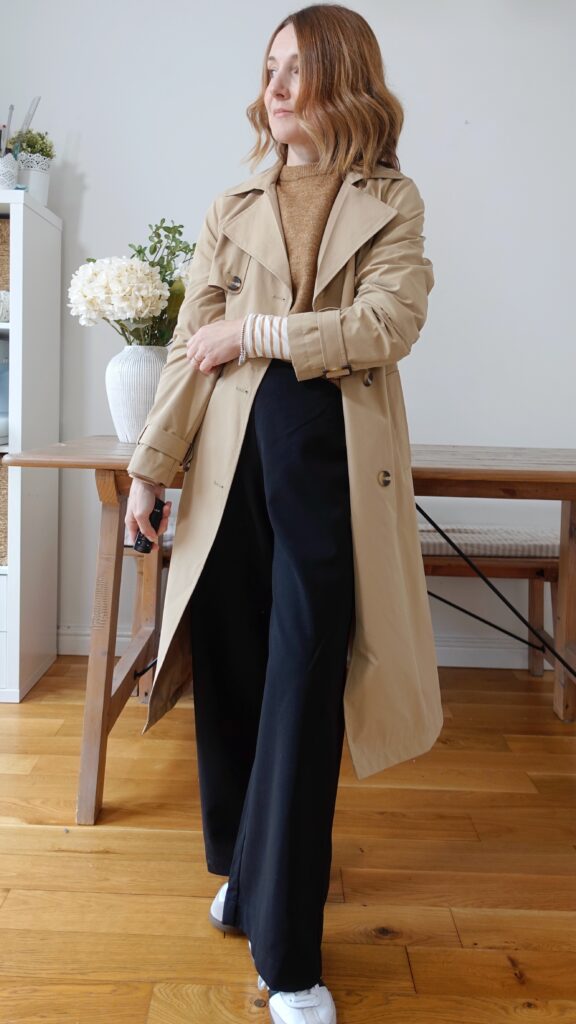
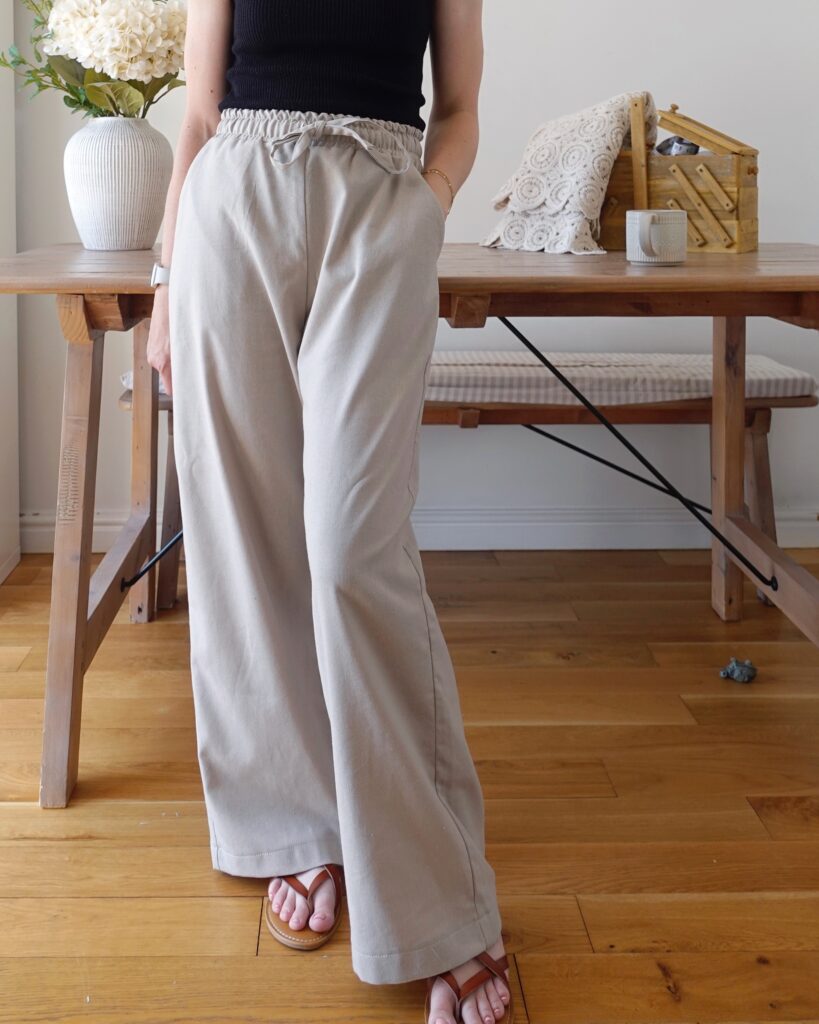
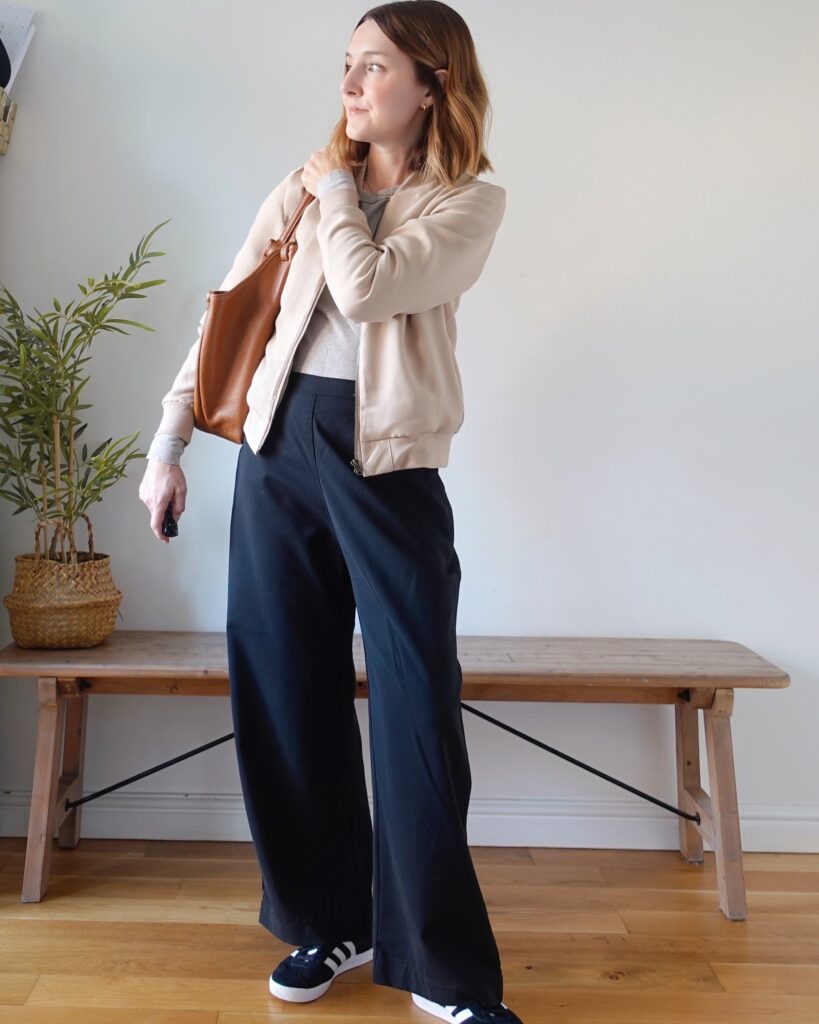
If you’ve been with me for a while, you’ll know that I’m a big fan of this approach! One of my favourite patterns is the Tyra Trousers by Ploen Patterns, I have multiple different versions which look and feel different but they all work because the basic fit, shape and style of the trousers work for me and my own personal style.
Repeat patterns =
✔ less decision fatigue
✔ more clothes you actually wear
✔ a wardrobe that feels cohesive
You don’t have to sew something brand new every time. Familiar, dependable patterns with a few tweaks and changes, can be your best friends.
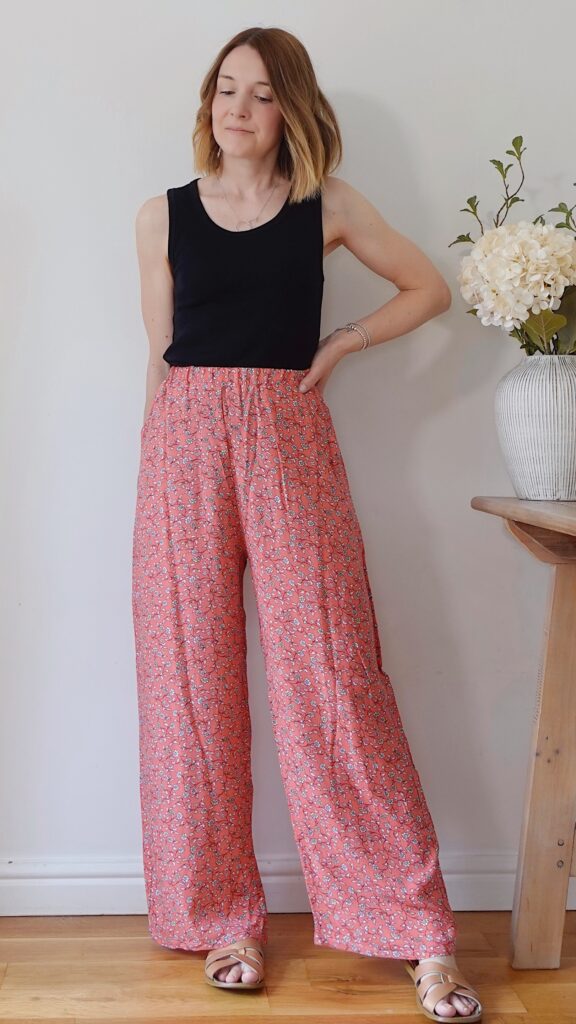
4. Match fabric to your lifestyle (not just your pattern)
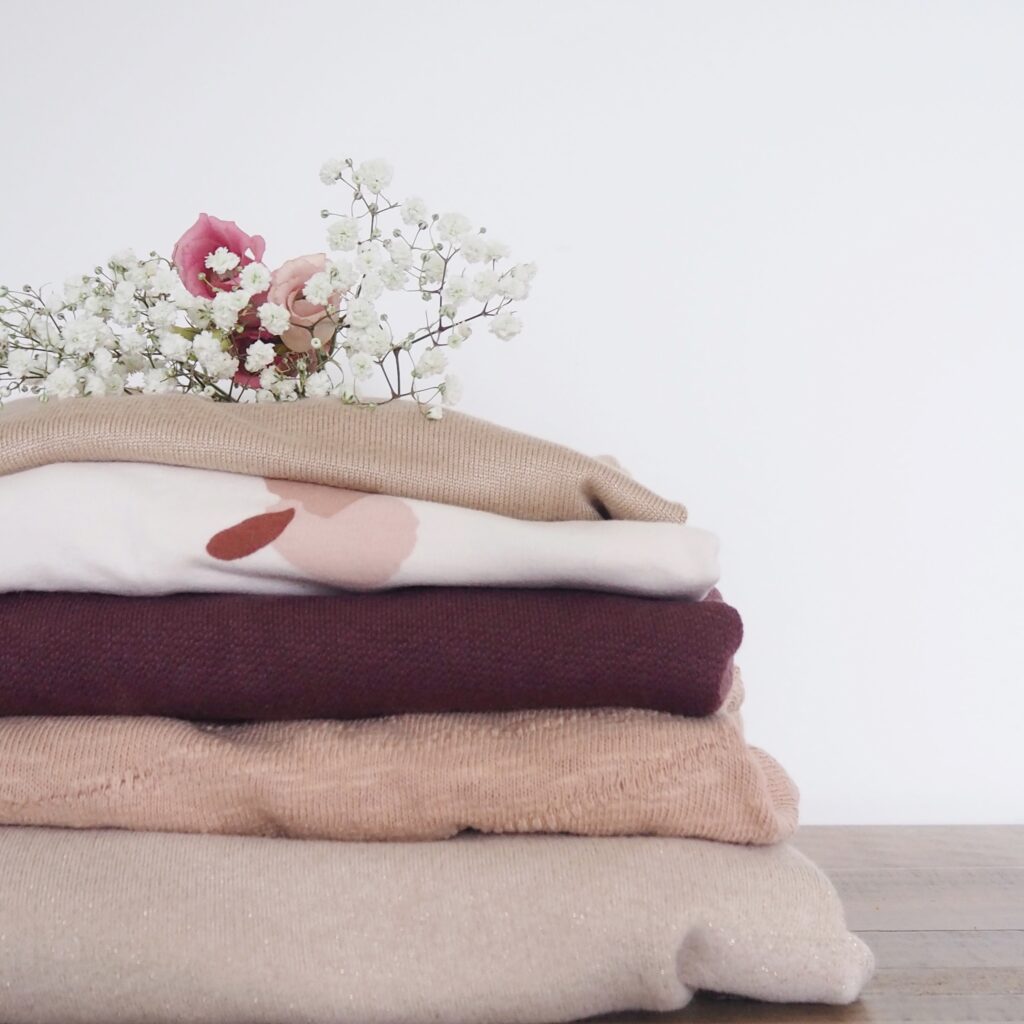
Fabric choice has a huge impact on whether a garment gets worn: comfort, durability, care needs, and how it behaves (wrinkles? stretch?) all matter.
Before you buy or cut ask yourself:
- Can you wash and care for this fabric easily?
- Will it feel comfortable to wear all day long?
- Will it crease in a way that frustrates you (especially poignant if you hate to iron)?
- Does it suit how you move throughout your day?
Even a beautiful fabric won’t get worn if it means too much ironing or if it feels stiff and uncomfortable to wear.
5. Do the “Three-Outfit Test”
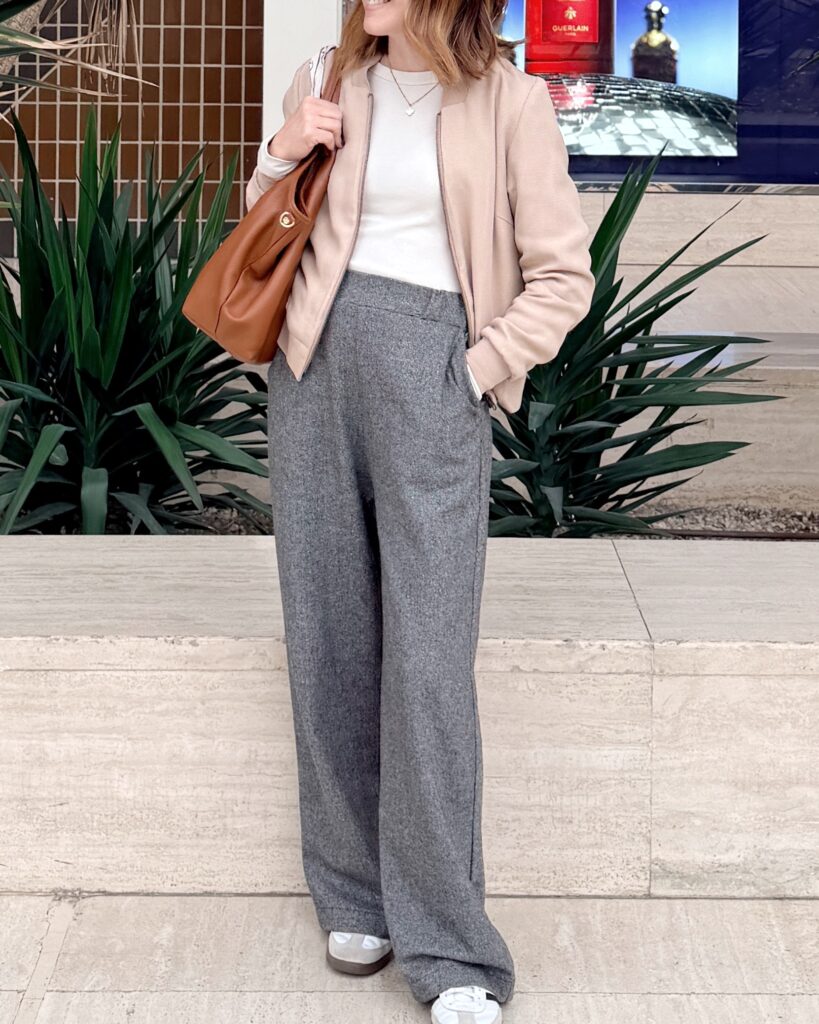
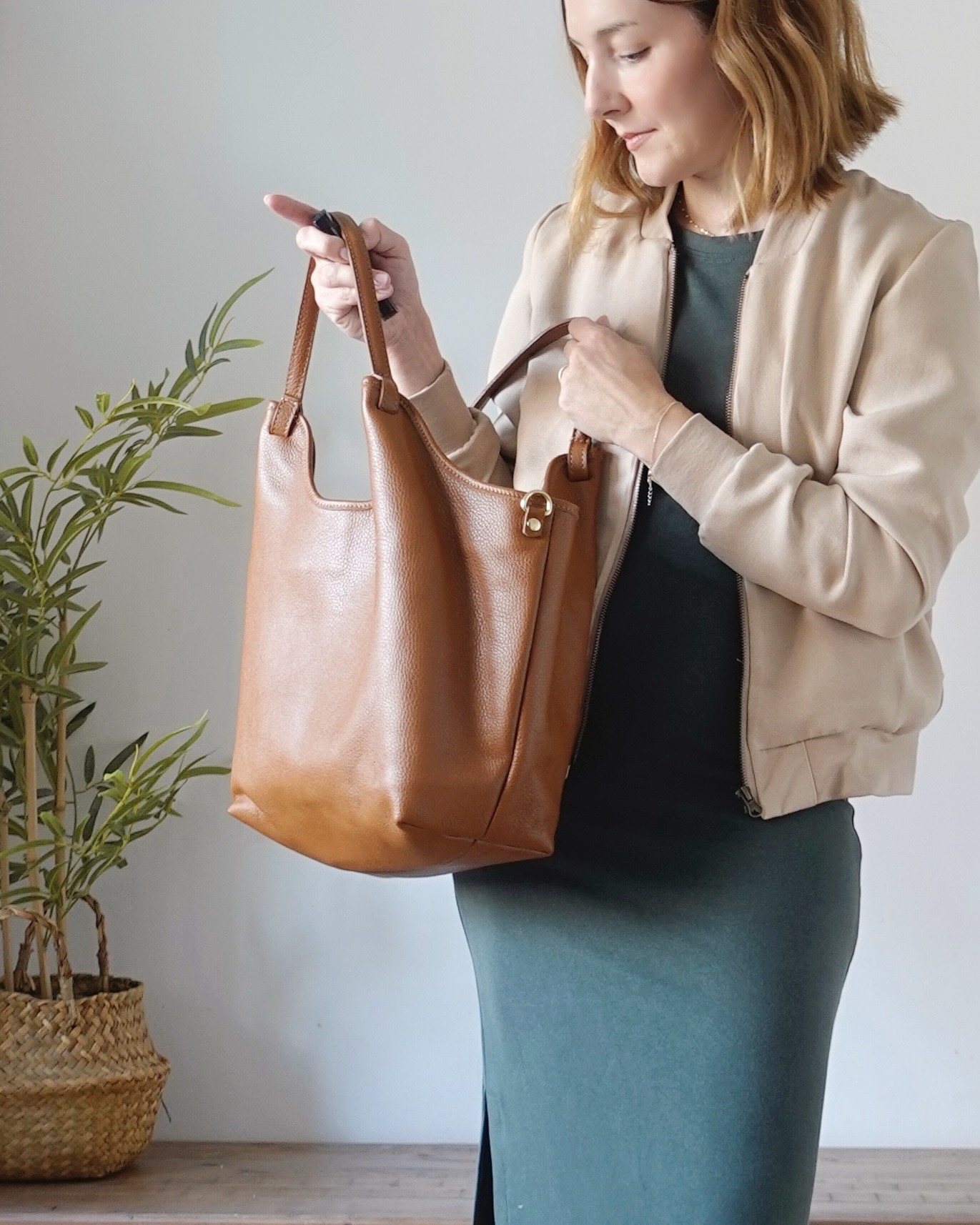
Before you cut your fabric, imagine three outfits you could put together with your planned new garment using clothes you already own. If you can’t style it in at least three ways, it might not integrate into your wardrobe yet.
This simple test prevents “orphan garments” — pieces that just never get worn because you’ve nothing to wear or style them with.
6. Some thoughts to close…
Intentional sewing isn’t about removing all the fun — it’s about making choices that reduce overwhelm and clutter. You can still enjoy trends, seasonal plans, and creativity (I certainly still do) — but taking time to think through these questions before I start to sew helps me to plan my new projects with intention – and not just start sewing on a whim!
Get the Printable Worksheet (Patreon!) 🎉
To help you put this into practice, I’ve created a printable “Intentional Sewing Project Picker” worksheet that walks you through all the steps above — from mindset check to decision time.
Next Up: Wardrobe Planning
In the next video (and blog post), I’ll show you how to plan a handmade wardrobe so that everything you sew works together, without sewing more than you actually need. Stay tuned!
Did you enjoy this post? Let me know what topics you’d like next — capsule wardrobes, fabric choice deep dives, or pattern recommendations!✂️🧵
Happy sewing!
Sally xx
Want to save this for later?
Pin this guide to your sewing or handmade wardrobe board on Pinterest so you can come back to it when planning your next project.